


CONDITIONS
Vaginal Itching Treatment in Mumbai, India
Vaginal itching can cause discomfort, irritation, and concern, especially when it keeps returning or occurs with unusual discharge. Vaginal itching treatment in Mumbai should begin with identifying the cause, because symptoms may result from a yeast infection, bacterial vaginosis, irritation, hormonal changes, or a skin condition affecting the vulva.
At Ahalya Cosmetic Gynecology Clinic in Ghatkopar East, Mumbai, women can discuss intimate health concerns in a private and respectful setting. The appropriate evaluation and treatment depend on your symptoms, medical history, and examination findings.
What Is Vaginal Itching?
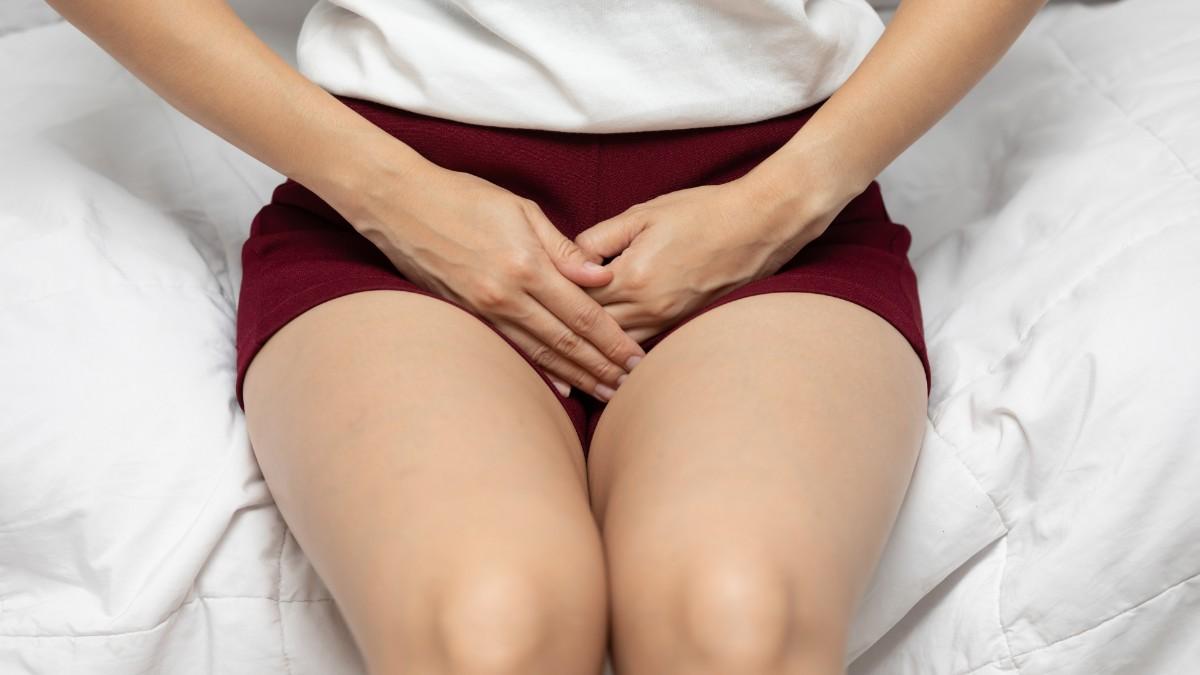
Vaginal itching is an uncomfortable sensation in or around the vagina. Itching that affects the vulva, the external genital area, may occur with redness, swelling, soreness, dryness, or irritated skin.
The cause is not always an infection. Yeast infections and certain other vaginal infections can cause itching, but soaps, intimate hygiene products, hormonal changes, and skin conditions can produce similar symptoms.
The location of the itching and the presence of other symptoms can help guide the assessment. For example, itching with unusual discharge may require a different evaluation from external itching associated with dry or irritated skin.
Women searching for vaginal itching treatment in Mumbai should avoid assuming that every episode is a yeast infection. Identifying the underlying cause helps a clinician select an appropriate treatment and determine whether further testing is necessary.
Detailed Explanation of Vaginal Itching
The vulva and vagina are sensitive areas that can react to infections, hormonal changes, and products that come into contact with the skin.
Vaginal itching may occur on its own or alongside other symptoms, including:
- Redness, swelling, or soreness around the vulva
- Unusual vaginal discharge or a change in its smell
- Burning during urination
- Discomfort during sexual intercourse
- Dryness or irritation, particularly during hormonal changes
- Cracked skin, rashes, sores, or blisters
The symptoms can overlap between different conditions. For example, a yeast infection may cause itching and soreness, but itching alone does not confirm that yeast is responsible.
Similarly, irritation from a scented wash or sanitary product may cause external itching without an infection. Hormonal changes can also contribute to vaginal dryness and discomfort.
If symptoms are persistent or keep returning, a clinical assessment can help distinguish between infectious and non-infectious causes.
Causes and Risk Factors: Why Does Vaginal Itching Happen?
Several conditions can cause vaginal or vulvar itching. The likely cause depends on the symptoms, medical history, and examination findings.
Yeast infection: An overgrowth of Candida yeast can cause itching, redness, soreness, and sometimes thick white discharge. These symptoms are not specific enough to confirm a yeast infection without appropriate assessment.
Bacterial vaginosis (BV): This condition involves a change in the usual balance of vaginal bacteria. It commonly causes a change in discharge or a noticeable fish-like odour, although symptoms vary.
Sexually transmitted infections (STIs): Some infections, including trichomoniasis and genital herpes, can cause irritation or itching. Other symptoms may include unusual discharge, sores, or discomfort during urination. Testing depends on the symptoms and possible exposure.
Hormonal changes: Lower oestrogen levels during perimenopause, menopause, or certain other life stages can contribute to dryness, irritation, and itching.
Irritants and allergic reactions: Scented soaps, intimate washes, vaginal deodorants, detergents, sanitary products, lubricants, and some condom materials may irritate sensitive skin.
Skin conditions: Eczema, psoriasis, and lichen sclerosus can affect the vulva and cause itching, inflammation, or changes in the skin.
Other contributing factors: Antibiotic use, pregnancy, and poorly controlled diabetes may be relevant in some cases, particularly when yeast infections recur. However, itching does not automatically mean that an underlying medical condition is present.
What Can Happen If Vaginal Itching Is Ignored?
The consequences depend on the underlying cause. Mild irritation may settle after the trigger is removed, while an untreated infection or persistent skin condition may require specific care.
Ongoing itching can also disturb sleep, affect daily comfort, and cause soreness from scratching. Repeated self-treatment may delay the correct diagnosis if the symptoms are caused by something other than the condition being treated.
Seek medical advice if symptoms persist, worsen, recur, or occur with unusual discharge, painful urination, sores, or other concerning changes. Pelvic pain with fever, severe pain, or significant bleeding warrants prompt medical assessment.
Signs and Symptoms: What Else Might You Notice?
Besides itching, you might experience other symptoms that can give us clues about what’s going on. Here’s what to look for:
- Redness or Swelling: The skin around your vagina might look red or puffy.
- Unusual Discharge: If your discharge is thicker, smells different, or has a strange colour (like yellow or green), it could point to an infection. Women experiencing changes in discharge often look for vaginal discharge treatment in Mumbai — something we handle with precision at our clinic.
- Burning Sensation: You might feel a burning feeling, especially when you pee.
- Pain During Sex: If intercourse hurts, it could be linked to the itching or an underlying issue.
Even if your symptoms are mild, don’t ignore them — especially if they last more than a few days or keep coming back. It’s always better to check in with a doctor to be sure.
If You Are Looking For Expert Gynecologist To Treat Female Health Issues In Mumbai
TALK TO US
GET IN TOUCH ON
What Happens if You Delay The Vaginal Itching Treatment? Potential Complications
Ignoring vaginal itching might seem tempting, especially if it’s not too bad. But leaving it untreated can lead to bigger problems:
- Worsening Infection: If it’s an infection, it could get worse or spread to other areas.
- Chronic Discomfort: Constant itching can make you feel miserable and affect your daily life.
- Impact on Relationships: Pain or discomfort during sex can strain your intimate relationships.
- Misdiagnosis: If you try to treat it yourself without knowing the cause, you might use the wrong treatment and make things worse.
At our clinic, we’ve seen how early treatment can prevent these issues. It’s always easier to fix things when we catch them early. Let’s talk about how we find out what’s causing your itching.
How To Diagnose Vaginal Itching?
The evaluation of vaginal itching starts with understanding your symptoms and relevant medical history. A gynaecologist may ask when the itching began, whether it affects the external skin or feels internal, and whether you have discharge, odour, dryness, pain, or urinary symptoms.
The assessment may include:
- Medical history: Questions about symptom patterns, menstrual and hormonal changes, recent medicines, intimate hygiene products, and previous episodes.
- Examination: An examination of the vulvar skin and, when appropriate, the vagina may help identify inflammation, irritation, or other visible changes.
- Vaginal swab or microscopy: A sample may help identify yeast or other causes of vaginal symptoms.
- Vaginal pH testing: This can provide useful information in selected cases but cannot confirm or exclude every infection on its own.
- Other tests: Urine tests, STI tests, blood tests, or further evaluation may be recommended when the symptoms and medical history indicate a need.
Not every patient needs every test. The choice depends on the clinical findings.
If itching keeps returning despite treatment, further evaluation may be needed to confirm the diagnosis and consider less common causes. This is particularly important when previous medicines have not helped or the symptoms are different from earlier episodes.
How Can Vaginal Itching Be Treated?
Vaginal itching treatment depends on the underlying cause. A treatment suitable for a yeast infection may not help irritation, bacterial vaginosis, an STI, or a skin condition.
Possible approaches include:
- Yeast infections: Antifungal medicines may be recommended after an appropriate assessment. Recurrent or persistent symptoms may require further testing and a different treatment plan.
- Bacterial vaginosis: Specific antibiotics may be prescribed when BV is diagnosed.
- Sexually transmitted infections: Treatment depends on the infection identified. Partner testing or treatment may be appropriate for certain STIs.
- Hormone-related dryness: A clinician may discuss moisturisers, lubricants, or hormonal treatment where appropriate, taking individual medical circumstances into account.
- Skin conditions: Treatment may involve avoiding irritants and using condition-specific medicines prescribed after assessment.
- Contact irritation: Identifying and stopping the suspected trigger may help the skin recover.
Do not use leftover antibiotics, repeated antifungal medicines, or steroid creams on the genital area without appropriate medical advice. These treatments are not interchangeable, and some products may worsen irritation or delay diagnosis.
If You Are Looking For Best vaginal itching treatment In Mumbai, Then
TALK TO US
GET IN TOUCH ON
When and Whom to Consult for Vaginal Itching?
Consider consulting a gynaecologist if you experience:
- Itching that persists, becomes severe, or repeatedly returns
- Unusual vaginal discharge or a new, strong odour
- Burning during urination or pain during sexual intercourse
- Redness, swelling, cracked skin, or persistent soreness
- Genital sores, ulcers, or blisters
- Symptoms following possible exposure to an STI
- New symptoms during pregnancy
Seek prompt medical care if itching occurs with fever, pelvic or lower abdominal pain, significant bleeding, or severe symptoms.
For women looking for a gynaecologist for vaginal itching in Mumbai, a consultation can help clarify whether the symptoms are related to an infection, irritation, hormonal changes, or a skin condition.
At Ahalya Cosmetic Gynecology Clinic in Ghatkopar East, Mumbai, you can enquire about an appointment to discuss your symptoms and the evaluation that may be appropriate.
To enquire about a consultation, call 1800-268-4000.
Why Choose Ahalya Cosmetic Gynecology Clinic?
Intimate health concerns can feel difficult to discuss, but vaginal itching is a medical symptom that deserves respectful, non-judgmental care.
When considering a clinic for vulvar itching treatment in Mumbai, look for a care approach that includes:
- A review of symptoms and medical history before recommending treatment
- Appropriate examination and testing when indicated
- Clear explanations of the possible causes and treatment options
- Guidance on when symptoms need follow-up or further investigation
- Respect for patient privacy and informed decision-making
At Ahalya Cosmetic Gynecology Clinic, women can enquire about gynaecological assessment and treatment for vaginal and vulvar symptoms. The treatment plan should be based on the findings of an individual consultation, rather than the symptom alone.
To learn more about related conditions, read our guide to genital infections treatment in Mumbai.
7 Key FAQs About Vaginal Itching
Is vaginal itching always a sign of an infection?
Not always! It could be from irritants like soaps or tight clothing. But if it’s persistent, it’s worth checking for infections.
Can I use over-the-counter creams for itching?
You can try them for mild itching, but if it doesn’t go away or gets worse, see a doctor. The wrong treatment might make it worse.
How can I prevent vaginal itching?
Keep things simple: use mild soaps, wear cotton underwear, and avoid douching. Staying dry and clean helps too.
Is it safe to have sex while experiencing itching?
It’s best to wait until we know what’s causing it. Sex might make it worse or spread an infection.
Can stress cause vaginal itching?
Stress can affect your hormones and immune system, which might make you more prone to infections or skin issues.
How long does it take for treatment to work?
It depends on the cause. For infections, you might feel better in a few days. For other issues, it could take longer.
Are there any home remedies for vaginal itching?
You can try cool compresses or unscented moisturizers, but don’t use anything harsh. If it doesn’t help, come see me.
For any query or doubt, get in touch with us
Our Helpline
Get In Touch
Meet our expert

Dr Jay Mehta
Scientific Director & Chief Surgeon with 10+ years of experience

