


CONDITIONS
Perineal Endometriosis Treatment in Mumbai, India
A painful lump near an old episiotomy scar, especially when the pain worsens during your period, may be a sign of perineal endometriosis. This is a rare condition in which tissue similar to the lining of the uterus grows in the perineal area, between the vaginal opening and the anus.
At Ahalya Cosmetic Gynecology Clinic in Ghatkopar East, Mumbai, women can seek consultation with Dr. Jay Mehta to discuss a suspected perineal endometriosis diagnosis, appropriate investigations and treatment options.
The right approach depends on the location and depth of the lesion, your symptoms, previous childbirth-related injuries or surgery, and whether nearby muscles or the anal sphincter are involved.
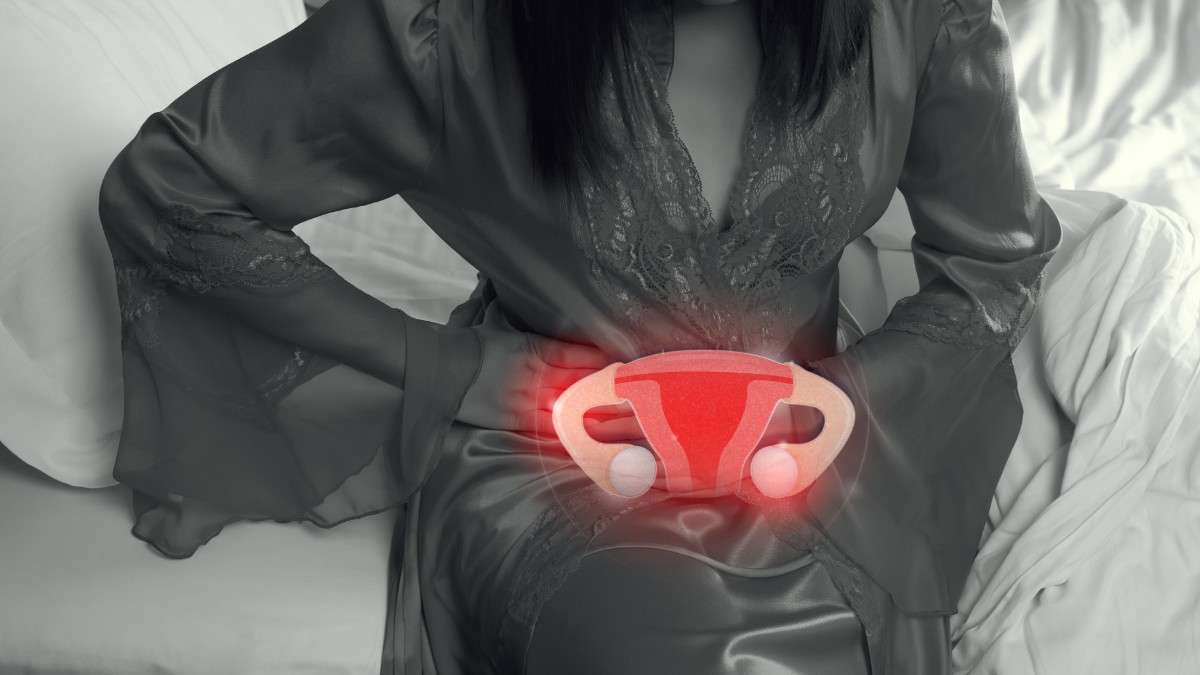
What is Perineal Endometriosis?
Perineal endometriosis occurs when tissue similar to the lining of the uterus grows outside the uterus in the perineum. This area lies between the vaginal opening and the anus.
The tissue can respond to hormonal changes during the menstrual cycle, causing swelling, inflammation and pain. A tender lump may develop near an old episiotomy scar or perineal tear.
An episiotomy is a surgical cut sometimes made during childbirth to enlarge the vaginal opening. In some women, endometrial-like tissue may implant in the healing area and develop into a lesion.
The condition can also occur without a previous episiotomy or recognised childbirth injury. A lump in this area does not automatically mean endometriosis, so proper assessment is important.
- Detailed Explanation
Perineal endometriosis is a form of endometriosis outside the uterus. The abnormal tissue may involve the skin, underlying fat, connective tissue or deeper muscles.
Symptoms often become more noticeable around menstruation. However, pain patterns can vary, and not every patient experiences clearly cyclical symptoms.
The lesion’s position and depth matter when planning treatment. If it lies close to the anal sphincter, the muscles that help control bowel movements, the surgical approach may need additional planning.
A transperineal ultrasound can help assess the lesion’s size, depth and relationship to nearby structures. MRI may be recommended when further anatomical detail is needed.
Causes & Risk Factors For Perineal Endometriosis
The exact mechanism behind perineal endometriosis is not fully understood. One recognised explanation is the implantation of endometrial cells into injured tissue during childbirth or surgery.
Potential risk factors and associated circumstances include:
- Previous episiotomy: Endometriosis may develop at the site of an episiotomy scar.
- Perineal tear or repair: Childbirth-related tissue injury may provide an opportunity for endometrial-like tissue to implant.
- Previous perineal surgery: Some cases are associated with surgical procedures or trauma in the affected area.
- Endometriosis elsewhere: A history of endometriosis may be relevant to the assessment, although perineal disease can occur without known pelvic endometriosis.
Perineal endometriosis can occasionally occur without a history of childbirth or perineal surgery.
Hormonal changes influence the activity of endometriosis, but it is not accurate to assume that a simple hormonal imbalance or family history alone explains every case.
If you have a lump near a childbirth scar that becomes painful around your period, discuss it with a gynaecologist rather than assuming it is routine scar tissue.
Important Signs & Symptoms Of Perineal Endomtriosis
The most characteristic symptom is a painful or tender lump in the perineum, particularly when discomfort increases during menstruation.
Other possible symptoms include:
- Swelling or tenderness near an episiotomy scar
- A firm lump that becomes more painful around your period
- Pain while sitting, walking or during sexual intercourse
- Persistent local discomfort between menstrual periods
- Discomfort associated with deeper tissue involvement
Not everyone experiences all these symptoms. A lump may also be caused by a cyst, abscess, scar tissue or another condition.
Cyclical perineal pain together with a tender nodule at an old episiotomy scar can raise suspicion of endometriosis, but these findings do not replace medical evaluation.
Seek prompt medical assessment if the lump becomes rapidly larger, red or hot, or if you develop fever or severe pain. These features can indicate an infection or another condition requiring timely care.
If You Are Looking Best Endometriosis Specialist In Mumbai, Then
TALK TO US
GET IN TOUCH ON
Complications if Perineal Endometriosis is Left Untreated
The effects of perineal endometriosis depend on its size, location and progression. Some women experience localised discomfort, while deeper lesions can require more complex treatment.
Possible concerns include:
- Persistent pain: Repeated inflammation may affect sitting, walking, sexual activity and daily comfort.
- Scarring: The lesion and surrounding tissue may develop fibrosis, which is the formation of scar tissue.
- Deeper tissue involvement: A lesion close to the anal sphincter may require more detailed assessment and surgical planning.
- Diagnostic delay: The condition can resemble cysts, abscesses and other lumps, so an incorrect initial diagnosis may delay appropriate treatment.
- Associated endometriosis: Some patients may also have endometriosis elsewhere, which can require separate evaluation.
Perineal endometriosis does not automatically cause infertility. If you have symptoms of pelvic endometriosis or concerns about conception, discuss whether further reproductive assessment is appropriate.
An untreated lump should not automatically be assumed to be endometriosis, nor should every case be considered likely to progress. The next step depends on the clinical findings and diagnosis.
How To Diagnose Perineal Endometriosis?
A perineal endometriosis diagnosis involves reviewing your symptoms, examining the affected area and selecting appropriate investigations.
The assessment may include:
- Medical history: Your doctor may ask about the timing of pain, menstrual symptoms, childbirth, episiotomy, perineal tears and previous surgery.
- Physical examination: An examination can help identify the lump’s location, tenderness and relationship to the scar or surrounding tissues.
- Transperineal ultrasound: This imaging method can help assess the lesion’s size, depth and proximity to the anal sphincter.
- MRI: Magnetic resonance imaging may be useful when a lesion is deep, its extent is unclear or detailed surgical planning is required.
- Histopathological examination: If the lesion is surgically removed, microscopic examination of the tissue can help confirm the diagnosis.
Not every patient needs every test. The choice depends on the examination findings and whether the results will change treatment planning.
At Ahalya Cosmetic Gynecology Clinic, patients can enquire about the available assessment options and whether additional imaging or referral is needed. Any claims about the availability of specific imaging services should be confirmed by the clinic before publication.
The aim is to distinguish perineal endometriosis from other causes of a lump and understand the lesion’s relationship to nearby structures before deciding on treatment.
How Can Perineal Endometriosis Be Treated?
Treatment depends on the severity of symptoms, the lesion’s location and depth, previous treatment, and your preferences and reproductive plans.
- Surgical removal
Surgery may be recommended when the diagnosis is established or strongly suspected and the lesion causes symptoms or requires removal. Wide local excision means removing the lesion completely, with the extent of surrounding tissue removal determined by its location and surgical findings.
The aim is to remove the affected tissue while protecting nearby structures. If the lesion involves or lies close to the anal sphincter, the surgical plan may need to include appropriate specialist expertise and possible reconstruction.
Not every patient needs the same operation. The extent of excision and the need for reconstructive procedures depend on the findings from examination and imaging.
- Hormonal treatment
Hormonal medicines may help manage pain associated with endometriosis in selected patients. Options can include progestogens, combined hormonal contraceptives or gonadotropin-releasing hormone medicines, depending on individual circumstances.
Hormonal treatment may suppress symptoms, but it does not necessarily remove an existing perineal lesion. Whether it is suitable before or after surgery should be decided by the treating specialist.
- Pain management
A clinician may recommend appropriate pain relief based on your medical history, other medicines and any planned procedure. Do not use medication to repeatedly mask a growing or unexplained lump without seeking an assessment.
- Reconstruction when needed
If removing the lesion leaves a substantial tissue defect or affects the anal sphincter, reconstructive surgery may be required. The technique depends on the size and location of the defect and the structures involved.
The risks, benefits and expected recovery should be discussed before the procedure.
What should you expect from treatment?
Treatment aims to remove or control the lesion, relieve symptoms and preserve the function of nearby tissues. Outcomes differ between patients, and recurrence remains possible.
The choice between observation, symptom management, hormonal treatment and surgery requires individual assessment. Surgery should not be presented as compulsory for every suspected case without considering the diagnosis and clinical circumstances.
If You Are Looking For Best Perineal Endometriosis treatment In Mumbai, Then
TALK TO US
GET IN TOUCH ON
When & Whom to Consult for Perineal Endometriosis?
Consult a gynaecologist if you have a painful lump near an episiotomy scar, recurring perineal pain around menstruation or unexplained discomfort in the area between the vagina and anus.
You should also seek assessment if:
- A lump persists or changes in size
- Pain returns with successive menstrual cycles
- Previous treatment has not resolved your symptoms
- Imaging suggests that the lesion is close to deeper muscles or the anal sphincter
- You have a history of endometriosis and develop a new perineal lump
A specialist assessment can help establish whether the problem is perineal endometriosis or another condition and determine whether imaging, biopsy or surgery should be considered.
For women seeking a perineal endometriosis specialist in Mumbai, Ahalya Cosmetic Gynecology Clinic in Ghatkopar East is an option to contact for consultation information.
Call the clinic to confirm appointment availability and discuss the records or reports you should bring.
Why Choose Ahalya Cosmetic Gynecology Clinic?
Choosing care for a rare condition means understanding the diagnosis, the available treatment options and the possible risks of intervention.
At Ahalya Cosmetic Gynecology Clinic in Ghatkopar East, Mumbai, Dr. Jay Mehta is Chief Gynec Surgeon.
When enquiring about care for perineal endometriosis, you can discuss:
- Clinical assessment: Review of the lump, pain pattern and relevant medical history.
- Diagnostic planning: Whether ultrasound, MRI or tissue examination may be appropriate.
- Treatment options: The potential role of observation, medication or surgical removal.
- Surgical complexity: Whether the lesion’s depth or proximity to the anal sphincter requires additional planning or specialist involvement.
- Recovery and follow-up: Wound care, activity guidance and monitoring for persistent or returning symptoms.
The appropriate treatment should be based on your individual findings. The clinic should verify any claims about its specific surgical techniques, published case series, imaging facilities and reconstructive expertise before these are included as differentiators.
To enquire about a consultation, contact Ahalya Cosmetic Gynecology Clinic at 1800-268-4000.
7 Key FAQs About Perineal Endometriosis
What is Perineal Endometriosis?
It’s a rare condition where tissue like the lining of your uterus grows in the perineum, causing pain and discomfort, especially during your period.
How is it different from other types of endometriosis?
Unlike typical endometriosis that affects the pelvic area, this type targets the perineum and is often linked to past surgeries or trauma there.
What are the common symptoms?
You might feel intense perineal pain, swelling, tenderness, or even notice a lump—symptoms that often worsen during menstruation.
How is it diagnosed?
We use a mix of physical exams, your medical history, imaging tests like ultrasound or MRI, and sometimes a biopsy to be sure.
What are the treatment options?
Depending on your needs, we might recommend hormonal therapy, pain relief, or surgery like laparoscopy to remove the tissue.
Can Perineal Endometriosis affect fertility?
It doesn’t usually affect fertility on its own, but if you have other types of endometriosis too, it’s worth discussing with your doctor.
Is surgery always necessary?
No, it’s not a must. Many women manage with medication or other treatments, but surgery can be an option if symptoms are severe.
For any query or doubt, get in touch with us
Our Helpline
Get In Touch
Meet our expert

Dr Jay Mehta
Scientific Director & Chief Surgeon with 10+ years of experience

