


TREATMENTS
PAP Smear & Abnormalities Treatment in Mumbai
A PAP smear (or PAP test) is a simple, painless screening test used to detect early signs of cervical cancer. It checks for abnormal cells on the cervix — the lower part of the uterus that opens into the vagina.
It’s one of the most powerful tools in preventing cervical cancer, especially for women aged 21 to 65.
At our clinic, we offer safe, quick, and expert PAP smear testing – because early detection saves lives.
Pelvic Prolapse Treatment At A Glance
| BEST TIME TO TEST | DURATION | RESULTS | FOLLOW-UP NEEDED? | HOSPITAL STAY | AVG COST |
|---|---|---|---|---|---|
| Mid-cycle, not during periods | 5–10 minutes | Normal or Abnormal | Only if result is abnormal | None (OPD-based procedure) | Call For Exact Cost: 1800-268-4000 |
SCHEDULE CONSULTATION
If You Are Looking For PAP Smear Test In Mumbai
TALK TO US
GET IN TOUCH ON
KNOWLEDGE CENTRE
All You Need To Know About PAP Smear Test
What Is a PAP Smear & When Should It Be Done?
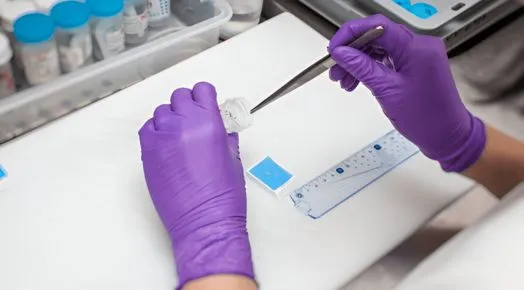
A PAP smear is a 5-minute procedure where your doctor gently collects cells from your cervix using a soft brush or spatula. These cells are sent to the lab to check for any changes that could lead to cancer over time.
You should get a PAP smear if you:
- Are 21 years or older
- Are sexually active
- Have a family history of cervical cancer
- Had early or multiple pregnancies
- Have HPV (Human Papillomavirus) infection
Regular testing helps catch problems before they turn serious — even before you feel any symptoms.
How the PAP Smear Is Done?
The test is done in a gynaecologist’s clinic and takes just a few minutes.
Step-by-step:
- You lie down comfortably on an exam table.
- A speculum is gently inserted into the vagina to open it slightly.
- A soft brush is used to collect cells from the cervix.
- The sample is sent to a lab for analysis.
- You can go home immediately – no pain, no recovery time.
Most women feel only mild pressure or discomfort, not pain. The test is safe and does not affect fertility.
Understanding PAP Smear Results
You’ll usually get your results in 5–7 days. There are two main types of results:
✅ Normal Result
- Your cervical cells look healthy.
- No signs of cancer or pre-cancer.
- You can repeat the test after 3 years, unless advised otherwise.
⚠️ Abnormal Result
- This does NOT mean you have cancer.
- It means some cells look unusual and may need more tests.
Most abnormalities are due to infections or minor changes that go away on their own.
What Causes Abnormal PAP Results?
There are several reasons why your PAP test may come back abnormal:
- HPV infection (most common cause)
- Inflammation or infection of the cervix (due to yeast, bacteria, etc.)
- Low hormone levels after menopause
- Pre-cancerous changes (called dysplasia)
- Rarely, cancerous cells
The important thing is: abnormal results don’t always mean danger, but they should not be ignored.
What Happens If My PAP Smear Is Abnormal?
If your result is abnormal, your doctor may suggest:
1. Repeat PAP test
To confirm the results – sometimes changes clear up naturally in a few months.
2. HPV DNA Test
Checks for the virus that can cause cervical changes and cancer.
3. Colposcopy
A detailed look at your cervix with a special microscope. If needed, a small biopsy (sample) may be taken.
4. Treatment (If Needed)
- Cryotherapy – Freezing abnormal cells
- LEEP – Removing abnormal tissue with electric current
- Laser therapy – Burning away abnormal cells
All treatments are safe, simple, and help prevent cervical cancer from developing.
Who Should Get Tested & How Often?
|
Age |
What to Do |
|
21–29 years |
PAP smear every 3 years |
|
30–65 years |
PAP + HPV test every 5 years, or PAP every 3 years |
|
After 65 years |
May stop if previous tests were normal |
Women who have had a hysterectomy (uterus removal) may not need PAP tests — but check with your doctor.
How to Prepare for Your PAP Smear?
To get the most accurate results:
- Avoid sex, douching, or vaginal creams 2 days before the test
- Schedule it not during your period
- Wear comfortable clothes
No fasting or painkillers are needed. The test is safe even during breastfeeding or after menopause.
Important Questions to Ask Your Doctor
- When should I start getting PAP smears?
- How often should I repeat the test?
- What does my abnormal result mean?
- Do I need an HPV test along with my PAP?
- What happens if I skip the test?
- Is it okay to get tested during breastfeeding?
- Will my insurance or government scheme cover this test?
- Is the PAP smear different from a vaginal infection test?
WELCOME TO
Ahalya Cosmetic Gynecology &
Intimate Medicine Clinic
A Specialized Clinic for Female Reproductive & Sexual health
At Ahalya, we understand that women’s intimate health is deeply personal—and often overlooked. Our clinic offers a private, compassionate, and medically advanced space where you can confidently address your concerns related to sexual wellness, aesthetic gynecology, and intimate medicine.
Led by Dr. Jay Mehta—an expert in cosmetic gynecology in mumbai and minimally invasive surgery—Ahalya Clinic brings world-class expertise to Ghatkopar with a focus on discretion, dignity, and holistic care. Whether it’s vaginal rejuvenation, labiaplasty, or hormone-based wellness support, our clinic offers tailored treatments designed to help you feel confident and comfortable in your own body.
| FACTORS | AHALYA CLINIC | OTHER GYNAECOLOGY CLINICS |
|---|---|---|
| Specialization | Dedicated to cosmetic gynecology & intimate medicine | Broad focus on pregnancy, delivery, and general gynecology |
| Expertise | Led by Dr. Jay Mehta, a renowned expert in cosmetic gynecology & minimally invasive surgery | May lack advanced training in female aesthetic or sexual health care |
| Privacy & Comfort | Designed for discreet consultations and personalized care | Often lacks privacy-centric infrastructure for intimate concerns |
| Technology & Techniques | Equipped with latest USFDA-approved lasers, PRP, and minimally invasive tools | Traditional setups with limited access to modern med-tech |
| Personalised Care | Each treatment is tailored to the patient’s intimate concerns, lifestyle, and recovery goals | Often follows a one-size-fits-all approach |
| Focus on Sexual Health & Wellness | Treats issues like vaginal laxity, libido concerns, post-birth changes with empathy & depth | Often does not prioritize sexual wellness as a clinical focus |
| Holistic, Aesthetic Outcomes | Results that go beyond medical treatment—restoring confidence, intimacy, and quality of life | Focus is usually only on medical resolution, not holistic well-being |
Ready to Take Control of Your Intimate Wellness?
Book a private consultation with Dr. Jay Mehta and explore
personalized, expert-led solutions for your sexual health and confidence.
👉 Schedule Your Appointment Today
Our Helpline
Get In Touch
OUR PROCESS
360 Holistic Approach

Thorough Evaluation & Consultation

Realistic Goal
Setting

Procedure
Planning

Post-Op
Care
At Ahalya Cosmetic Gynecology & Intimate Medicine Clinic, we follow a 360° Holistic Approach that places your comfort, care, and confidence at the center of everything we do.
It begins with a thorough, judgment-free consultation where your concerns, medical history, and goals are carefully understood. We then help you set realistic expectations, ensuring you feel empowered and informed.
Each procedure is precisely planned using advanced techniques and tailored timelines. Finally, our dedicated post-op care ensures smooth recovery, emotional support, and long-term wellness—because your journey doesn’t end at treatment, it begins with trust.
Is a PAP smear painful?
Most women feel only mild discomfort or pressure during the test. It is not painful, and the procedure usually takes just a few minutes
If I am not married, do I still need this test?
Yes. The PAP test is recommended for all women aged 21 and above, especially if they are sexually active, regardless of marital status
What is the difference between a PAP smear and an HPV test?
A PAP smear checks for abnormal cells on the cervix, while an HPV test detects the virus that can cause those cell changes. Both tests can be done together for more accurate screening.
Can I get a PAP test while breastfeeding or after menopause?
Avoid vaginal intercourse, douching, or using vaginal creams or medicines for 48 hours before the test. Also, schedule it when you are not menstruating.
What should I avoid before the test?
Helps manage expectations around success rates, recurrence risk, and factors that influence long-term outcomes.
What happens if my test is abnormal?
Your doctor may recommend a repeat PAP smear, an HPV test, or a colposcopy for a closer examination. In some cases, minor treatments may be advised to remove or monitor abnormal cells
For any query or doubt, get in touch with us
Our Helpline
Get In Touch
PATIENTS SPEAK
Words Of satisfaction

Dr Jay Mehta Is Rated Excellent On Google & Practo
(4.9 out of 5 based on google & practo reviews )
I lived with obstetric fistula for almost 3 years after a complicated childbirth. It affected every part of my life—I had to quit my job, stopped meeting people, and lost my confidence. When I came to the clinic, Dr. Jay Mehta and his team treated me with so much dignity. The surgery was successful, and for the first time in years, I feel clean, confident, and pain-free. Thank you for giving me my life back.
From the first consultation to the final follow-up, the experience has been seamless. Dr. Mehta answered every silly and serious question I had without judgment. Post-surgery recovery was smooth, and I received regular check-ins from the clinic. The personal attention I got made me feel like more than just a patient.
COMMUNITY
Ask. Share. Be
Inspired
GET DREAM BODY

