


Low Libido (Low Sex Drive) in Women: Causes & Treatment
Losing interest in sex can feel confusing, isolating, or even frustrating—but it’s far more common than you might realize. Many women experience a dip in their sex drive at different stages of life, whether due to hormonal changes, stress, relationship dynamics, or medical conditions.
As a Cosmetic gynecologist offering low libido treatment, I want you to know: this is not a personal failing, and you’re certainly not alone. Low libido is a real, valid concern—and one that deserves care, attention, and science-backed solutions.
In this guide, we’ll explore what causes low libido and how we can work together to help you feel like yourself again—physically, emotionally, and intimately.

Key Takeaways: Low Libido in Women
-
Low libido in women is common and often linked to hormonal, emotional, or lifestyle factors.
-
Menopause, PCOS, childbirth, and thyroid disorders can affect sexual desire.
-
Stress, anxiety, depression, and relationship challenges play a major role in low sex drive.
-
Pain during sex, vaginal dryness, or chronic health conditions can reduce desire.
-
Treatment options include lifestyle changes, therapy, hormonal care, and medical treatments.
-
Early consultation with a gynecologist helps identify the cause and improve sexual wellness.
REVIEWED BY

DR JAY MEHTA
Scientific Director & Gynec Surgeon with 10+ years of experience
GET IN TOUCH ON
What Is Low Libido—and When Should You Be Concerned?
Low libido simply means having less interest in sex than you’re used to. It doesn’t mean anything is “wrong” with you. In fact, libido naturally changes over time due to hormones, stress, emotions, and lifestyle.
But if your lack of desire lasts for several months and it’s starting to bother you—or create tension in your relationship—then it may be time to seek help.
Doctors sometimes refer to this as Hypoactive Sexual Desire Disorder (HSDD), which is a long-term lack of desire that causes personal distress.
There’s no “normal” level of desire. What matters is how you feel about your own libido—and whether it’s affecting your confidence or connection with your partner.
How Do You Know If You’re Experiencing Low Libido?
If this has been going on for more than three months and it’s making you feel frustrated, sad, or confused—you deserve support and answers.
TALK TO US
GET IN TOUCH ON
What Causes Low Libido in Women?
Low libido doesn’t have one single cause. It’s often a combination of emotional, physical, hormonal, or relational factors. Let’s explore the most common ones:
1. Hormonal Changes
Your hormones play a big role in desire. For example:
-
- During menopause, lower estrogen and testosterone can reduce sex drive and cause vaginal dryness.
- After childbirth or while breastfeeding, high prolactin and low estrogen can affect desire.
- Conditions like thyroid disorders or PCOS may also create hormonal imbalances that lower libido.
2. Mental and Emotional Health
If you’re feeling anxious, depressed, stressed, or struggling with body image, it can naturally affect your desire. Our mental health is deeply connected to our sexual wellness.
3. Physical Conditions and Pain
Chronic health issues like diabetes, obesity, arthritis, or cancer can impact energy, hormones, and desire.
Also, if sex has become painful—because of dryness, endometriosis, or infections—your body may start associating sex with discomfort, not pleasure.
4. Relationship Challenges
Emotional intimacy matters just as much as physical intimacy. If there’s ongoing tension, miscommunication, or unresolved issues in your relationship, desire can decrease.
Even having mismatched libidos with your partner can create pressure or guilt that affects your sex life.
5. Lifestyle and Medications
Some medications—like antidepressants, birth control pills, or blood pressure tablets—can lower sex drive. Lifestyle factors like poor sleep, smoking, alcohol use, or a sedentary routine can also quietly drain your libido.
If any of this sounds familiar, you’re not alone. Many women seek help from experienced doctors like Dr. Jay Mehta, who provides female sexual dysfunction treatment in mumbai with personalized care and compassion.
When Should You Talk to a Doctor?
If your low libido is bothering you or affecting your relationship, don’t brush it off.
This is a valid medical and emotional concern—just like any other health issue—and it deserves attention and care.
In a consultation, we’ll talk about your medical history, hormones, lifestyle, emotional health, and any symptoms you’re experiencing. We may suggest blood tests, a physical exam, or hormonal evaluations to find the root cause—without any judgment.
You don’t have to keep wondering or blaming yourself. Speaking with a gynecologist can bring clarity and relief. Schedule an appointment or call to begin a personalized approach to restoring your sexual well-being.
What Are the Treatment Options for Low Libido?
The right treatment depends on why your libido is low—but the goal is always the same: to help you reconnect with yourself and your sense of intimacy.
1. Lifestyle Support
Better sleep, regular movement, and stress management can all increase your natural energy and improve hormonal balance. Even small steps can lead to real changes in desire.
2. Therapy and Emotional Wellness
Therapies like cognitive behavioral therapy (CBT), sex therapy, or relationship counseling can help you rebuild emotional intimacy and address any psychological roadblocks.
Sometimes, just having a safe space to talk about what you’re feeling is the most healing thing of all.
3. Hormonal Treatment for Low Sex Drive
Options like vaginal estrogen can improve comfort during menopause. In some cases, testosterone therapy or DHEA supplements (hormone precursors) may be considered—with close medical supervision.
You can explore these through trusted centers for best cosmetic gynecology in Mumbai, like Ahalya Cosmetic Gynecology, where women’s sexual health is treated with expertise and dignity.
4. Treating Pain or Discomfort
If sex is painful, we may suggest lubricants, vaginal moisturizers, or pelvic floor physiotherapy. Treating the physical issues can often open the door to emotional healing too.
Seeking
Are Natural Remedies Safe?
Before trying any herbal or home remedies, talk to your doctor. What works for one person may not work—or be safe—for another.
Rebuilding Connection Starts With You
Give yourself permission to ask for help. You deserve that. And no matter where you are in your journey, it’s never too late to start feeling like you again.
Frequently Asked Questions (FAQs)
1. Can pelvic floor therapy improve libido?
Yes, pelvic floor exercises increase circulation and reduce pain, which can enhance sexual comfort and desire.
2. Do cosmetic gynecology treatments affect sex drive?
3. How does PCOS affect sexual health?
4. Are there non-hormonal options for menopause-related low libido?
5. Can low libido be temporary?
Final Thoughts
Low libido in women is not a flaw or something to feel embarrassed about. It is often the body’s way of signaling emotional, hormonal, or physical changes that deserve understanding and care. With the right guidance, many women are able to restore comfort, confidence, and intimacy in their lives.
At Ahalya Cosmetic Gynecology, Mumbai, we believe that women’s sexual health should be approached with empathy, privacy, and medical clarity. Every concern is listened to without judgment, and every treatment plan is tailored to your unique needs and life stage.
If low libido has been affecting your well-being or your relationship, a thoughtful consultation can help identify the cause and explore suitable treatment options. You can book an appointment or call the clinic to begin a personalized, confidential discussion with Dr. Jay Mehta and his team.
Taking the first step may feel difficult—but you don’t have to take it alone. Support, understanding, and effective care are available when you’re ready.
Related Blogs
When Vaginal Itching Needs a Doctor’s Visit?
Itching isn’t always an infection. Mumbai’s Dr. Jay Mehta explains the real causes, and when self-treatment isn’t the right approach.
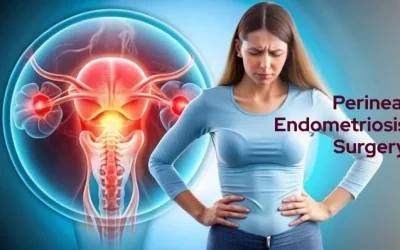
Surgical Treatment for Perineal Endometriosis: Wide Excision Explained
A painful lump that worsens with your period isn’t ordinary scar pain. Mumbai’s Dr. Jay Mehta explains diagnosis and when excision is needed.

Best Gynecologist for Recurrent Genital Infections in Mumbai
Recurring symptoms aren’t always the same infection. Mumbai’s Dr. Jay Mehta explains why, and what actually needs re-evaluating.
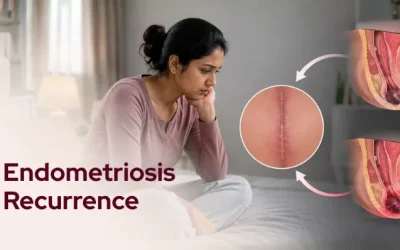
Can Perineal Endometriosis Come Back After Surgery?
Yes, but the odds favour most patients. Mumbai’s Dr. Jay Mehta explains what actually drives recurrence, and how to lower your risk.
Does Perineal Endometriosis Always Need Surgery?
No, not always. Mumbai’s Dr. Jay Mehta explains when hormonal therapy can work, and when surgery becomes the better option.
How to Find a Menopause Specialist Who Understands GSM Treatments
Look beyond hot flashes. Mumbai’s Dr. Jay Mehta explains what a good GSM consultation should cover, and the questions worth asking.
Can Vaginal Itching Without Discharge Really Be a Skin Condition?
Vaginal itching without discharge can be caused by skin irritation, dryness, eczema or other conditions. Know the causes, treatment and warning signs.
Why Do Postmenopausal Women Experience Vaginal Itching Without Infection?
Yes, declining estrogen alone can cause itching after menopause. Mumbai’s Dr. Jay Mehta explains why, and what actually helps.
Is Vaginal Itching After Sex Always Due to an Infection?
No, it’s not always an infection. Mumbai’s Dr. Jay Mehta explains how friction, allergies and pH shifts can all cause itching too.

Can Laundry Detergent Cause Chronic Vaginal Itching?
Yes, detergent is an overlooked cause of vaginal itching. Mumbai’s Dr. Jay Mehta explains why it’s mistaken for infection, and the fix.
Book Appointment
