


Does PCOS Cause Vaginal Dryness?
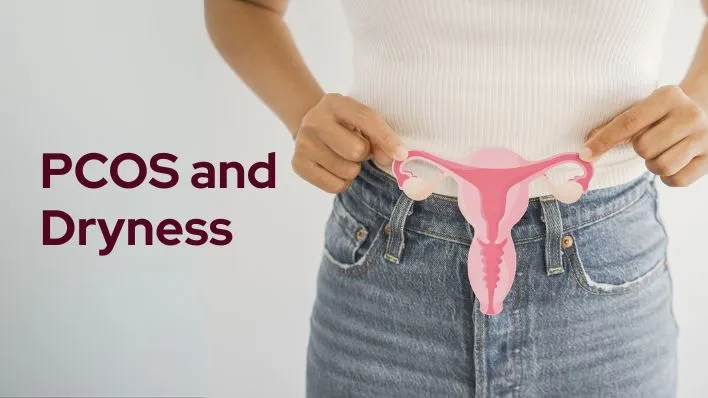
Polycystic Ovary Syndrome (PCOS) is a common hormonal condition affecting countless women, not just in Mumbai or India, but worldwide. Often discussed for its impact on irregular periods, weight fluctuations, or fertility issues, few realise the entire breadth of its effects—like vaginal dryness.
Vaginal dryness is a symptom that can significantly hinder comfort, intimacy, and everyday well-being.
If you’re experiencing this and wondering whether PCOS might be the culprit, I’m here to help answer your questions in an easy, approachable way.
Key Takeaways
-
PCOS can cause vaginal dryness due to hormonal imbalance, especially low or fluctuating oestrogen and high androgen levels.
-
Vaginal dryness in women with PCOS can affect daily comfort, sexual intimacy, and emotional well-being.
-
Lifestyle changes such as proper hydration, stress reduction, healthy diet, and regular exercise can help improve vaginal lubrication naturally.
-
Over-the-counter vaginal moisturisers and lubricants may provide temporary relief but do not correct the underlying hormonal cause.
-
Persistent vaginal dryness may require medical treatment, including hormonal therapy or personalised PCOS management.
-
Early consultation with a gynaecologist can help diagnose the cause and provide effective treatment for PCOS-related vaginal dryness.
REVIEWED BY

DR JAY MEHTA
Scientific Director & Gynec Surgeon with 10+ years of experience
GET IN TOUCH ON
What Exactly is Vaginal Dryness?
The vaginal tissues are naturally moisturised and elastic, thanks to hormones like oestrogen. However, when this hormonal balance shifts, particularly with lower oestrogen levels, the vaginal walls can become dry, thin, and less stretchy. This often results in discomfort, itching, a burning sensation, or even pain during sexual intimacy.
When left untreated, vaginal dryness doesn’t just affect physical comfort but can also lead to lower self-esteem, relationship struggles, and reduced quality of life. Understanding what’s happening in your body is the first step toward finding a solution.
How Does PCOS Link to Vaginal Dryness?
Now, you might be asking, “Why would PCOS cause vaginal dryness?” PCOS is primarily a hormonal condition. Those complexities in hormones—like elevated androgens (male hormones) and inconsistent oestrogen levels—can disrupt the body’s natural lubrication. Here’s how:
- Hormonal Imbalance: Many women with PCOS struggle with decreased oestrogen or fluctuations in this essential hormone. Without enough oestrogen, vaginal tissues are less able to stay soft and moisturised.
- High Levels of Androgens: PCOS often causes increased male hormones, which can counteract the effects of oestrogen. This imbalance can worsen dryness in the vaginal area.
- Chronic Stress from PCOS: Living with PCOS can be emotionally draining, and stress elevates cortisol levels. High cortisol can further suppress oestrogen levels, creating a chain reaction.
The good news? Vaginal dryness caused by PCOS can be effectively managed with the right mix of lifestyle changes, PCOS treatment in Mumbai, and medical solutions. As Dr. Jay Mehta expert in cosmetic gynecology in mumbai often advises, addressing the hormonal imbalance at its root is key to long-term relief.
TALK TO US
GET IN TOUCH ON
The Emotional Weight of Vaginal Dryness
If you’re struggling with vaginal dryness, you’re not alone. Women worldwide report how this affects not only their physical health but also their emotional well-being. Painful intercourse or discomfort during everyday activities can take a significant toll.
This is why addressing vaginal dryness isn’t just about solving a physical problem—it’s about reclaiming your confidence and comfort.
Treatment Options for Vaginal Dryness When You Have PCOS
The connection between PCOS and vaginal dryness is clear, but more importantly, so are the solutions. Here’s how to start feeling like yourself again:
1. Lifestyle Changes
For many women, small shifts in lifestyle can make a surprisingly big impact:
-
- Stay Hydrated: Hydration helps keep your body, including vaginal tissues, healthy and moist. Sipping water throughout the day is a simple yet effective habit.
- Nourish with Diet: Add foods rich in omega-3 fatty acids like salmon, walnuts, or flaxseeds. These natural fats promote lubrication and can ease dryness. Incorporating phytoestrogen-rich ingredients (like soy and flaxseeds) may also help balance hormones.
- Be Mindful of Stress: Living in a bustling city like Mumbai can be stressful, but simple practices like meditation, deep breathing, or daily walks can stabilise your stress hormones.
- Gentle Exercise: Yoga, pilates, or low-impact aerobics improves circulation, including blood flow to areas vital for maintaining vaginal health.
- Stay Hydrated: Hydration helps keep your body, including vaginal tissues, healthy and moist. Sipping water throughout the day is a simple yet effective habit.
2. Over-the-Counter (OTC) Solutions
For immediate comfort, try water-based vaginal lubricants or moisturisers. Products containing hyaluronic acid can provide long-lasting hydration for vaginal tissues. These are safe and easy to use, ensuring relief during moments of intimacy or everyday activities.
3. Medical Treatments
If symptoms persist, it’s time to take expert advice recommend:
-
- Topical Treatments: Localised oestrogen creams and intravaginal tablets can boost moisture.
- Advanced Rejuvenation: Some advanced centers, such as our Gynecology Clinic Mumbai, offer treatments like PRP or Laser Therapy that stimulate blood flow and natural lubrication.
- Targeted Care: For those experiencing recurrent irritation alongside dryness, seeking specialized Vaginal Dryness Treatment can help rule out secondary infections like BV or yeast, which thrive when the vaginal barrier is compromised.
- Topical Treatments: Localised oestrogen creams and intravaginal tablets can boost moisture.
Remember, it’s always best to check with a professional before trying treatments—especially if symptoms interfere with daily life.
Persistent vaginal dryness shouldn’t be ignored. A personalised evaluation can help identify hormonal causes and guide effective treatment. Consider calling the clinic or scheduling an appointment for expert guidance.
Supporting Yourself Through Holistic Choices
It’s not just about resolving individual symptoms like vaginal dryness. Managing PCOS holistically is essential because your body works as one system. If the focus is brought to balancing hormones overall—whether via diet, stress reduction, or advanced PCOS treatments—improvement in vaginal health follows naturally.
For example, eliminating irritants like harsh soaps or detergents can prevent further damage to sensitive vaginal tissues. Similarly, avoiding alcohol and staying clear of decongestant medications can keep dryness at bay.
When to Consult ?
While some women may find relief through lifestyle changes or OTC products, others may need more comprehensive intervention. It’s crucial to know when to reach out for help.
If you experience persistent discomfort, painful intercourse, or recurrent infections, consult a specialist who can personalise treatment for you.
Professionals providing PCOS treatment across India, especially in cities like Mumbai, are experienced in guiding women back to health.
Frequently Asked Questions (FAQs)
1. Can vaginal dryness go away on its own?
It depends on the cause. If it’s linked to temporary factors such as stress or dehydration, it may improve once these issues are resolved. However, hormonal imbalances caused by PCOS may require targeted treatment or lifestyle changes to fully resolve.
2. Are there natural remedies for vaginal dryness that work?
Yes, natural remedies like increasing omega-3 intake, using coconut oil as a gentle lubricant, or practising mindfulness to reduce stress can help. Always consult your doctor before trying new solutions.
3. Does vaginal dryness mean I can’t have a healthy pregnancy?
Not necessarily. Vaginal dryness alone doesn’t affect fertility, though managing overall PCOS symptoms is critical for conceiving and supporting a healthy pregnancy.
4. How does hydration improve vaginal dryness?
Staying hydrated benefits every cell in your body, including the thin, delicate tissues of the vagina. Drinking water maintains body-wide moisture levels, which can help ease mild vaginal dryness.
5. What’s the difference between vaginal dryness from menopause vs PCOS?
Menopausal dryness is primarily due to a gradual decline in oestrogen production as part of ageing. PCOS-related dryness, however, comes from imbalanced hormone levels due to the condition, which may fluctuate rather than decline steadily.
Final Thoughts
Yes, PCOS can cause vaginal dryness, but it doesn’t mean you have to accept this as your new normal. With understanding, proper care, and a commitment to making changes, this issue can be managed effectively. Whether you seek PCOS treatment in Mumbai or prefer home remedies, there’s a solution waiting for you.
Your body deserves patience and care—and the effort you put into treating symptoms like vaginal dryness isn’t just about physical comfort. It’s about reclaiming your quality of life and feeling empowered by knowing your options.
As Dr. Jay Mehta reminds his patients, early intervention and customised care can go a long way in restoring hormonal balance and intimate wellness.
Related Blogs

When Vaginal Itching Needs a Doctor’s Visit?
Itching isn’t always an infection. Mumbai’s Dr. Jay Mehta explains the real causes, and when self-treatment isn’t the right approach.
Surgical Treatment for Perineal Endometriosis: Wide Excision Explained
A painful lump that worsens with your period isn’t ordinary scar pain. Mumbai’s Dr. Jay Mehta explains diagnosis and when excision is needed.

Best Gynecologist for Recurrent Genital Infections in Mumbai
Recurring symptoms aren’t always the same infection. Mumbai’s Dr. Jay Mehta explains why, and what actually needs re-evaluating.
Can Perineal Endometriosis Come Back After Surgery?
Yes, but the odds favour most patients. Mumbai’s Dr. Jay Mehta explains what actually drives recurrence, and how to lower your risk.
Does Perineal Endometriosis Always Need Surgery?
No, not always. Mumbai’s Dr. Jay Mehta explains when hormonal therapy can work, and when surgery becomes the better option.
How to Find a Menopause Specialist Who Understands GSM Treatments
Look beyond hot flashes. Mumbai’s Dr. Jay Mehta explains what a good GSM consultation should cover, and the questions worth asking.
Can Vaginal Itching Without Discharge Really Be a Skin Condition?
Vaginal itching without discharge can be caused by skin irritation, dryness, eczema or other conditions. Know the causes, treatment and warning signs.

Why Do Postmenopausal Women Experience Vaginal Itching Without Infection?
Yes, declining estrogen alone can cause itching after menopause. Mumbai’s Dr. Jay Mehta explains why, and what actually helps.
Is Vaginal Itching After Sex Always Due to an Infection?
No, it’s not always an infection. Mumbai’s Dr. Jay Mehta explains how friction, allergies and pH shifts can all cause itching too.

Can Laundry Detergent Cause Chronic Vaginal Itching?
Yes, detergent is an overlooked cause of vaginal itching. Mumbai’s Dr. Jay Mehta explains why it’s mistaken for infection, and the fix.
Book Appointment
