


Can a Prolapse Be Painful?
Pelvic organ prolapse, often simply called prolapse, can be a challenging condition to navigate—but you’re not alone, and effective solutions are within reach.
Prolapse occurs when pelvic organs like the bladder, uterus, or rectum shift downward into or out of the vagina. This can lead to discomfort, functional challenges, and, in some cases, pain.
However, with the right care, understanding, and medical support, prolapse is entirely manageable.
At many of the leading cosmetic gynecology clinics in Mumbai, patients frequently share concerns about prolapse symptoms—discomfort, a sense of heaviness, or disruptions to their daily lives.
That’s why compassionate care, paired with expert medical guidance, is so essential. Together, you can work toward restoring your comfort and confidence.

DR JAY MEHTA
Key Takeaways
-
Pelvic organ prolapse can cause pain, pressure, or a heavy sensation in the pelvis, though symptoms vary from person to person.
-
Painful prolapse may lead to discomfort while standing, walking, or during sexual activity and should not be ignored.
-
Common types of prolapse include bladder (cystocele), rectal (rectocele), and uterine prolapse, each with distinct symptoms.
-
Early-stage prolapse can often be managed with pelvic floor exercises, lifestyle changes, and non-surgical treatments.
-
Vaginal pessaries offer a safe, non-invasive option for moderate prolapse-related discomfort.
-
Surgical treatment provides long-term relief in severe cases when daily life is affected.
-
Timely medical consultation helps prevent worsening symptoms and improves quality of life.
What Exactly is a Pelvic Organ Prolapse (POP)?
To understand prolapse, imagine your pelvic floor as a supportive hammock made of muscles and connective tissue. This hammock holds essential organs like the bladder, uterus, and rectum in place.
Over time, due to factors like childbirth, menopause, or ageing, this support can weaken, causing one or more of these organs to shift downward.
There are multiple types of prolapse, and the symptoms will depend on which organ is involved. These include:
- Bladder prolapse (cystocele): This occurs when the bladder, which stores urine, weakens and bulges into the front vaginal wall. It can cause symptoms such as urinary leakage, difficulty emptying the bladder, or a feeling of heaviness in the pelvic area.
- Rectal prolapse (rectocele): This happens when the rectum, the final section of the large intestine, pushes against or into the back vaginal wall. It can lead to discomfort, difficulty with bowel movements, or a sense of incomplete emptying after using the bathroom.
- Uterine prolapse: This condition occurs when the uterus, which is typically held in place by pelvic muscles and ligaments, weakens and descends into or even outside the vaginal canal. It can cause a sensation of pressure, discomfort, or visible protrusion in severe cases.
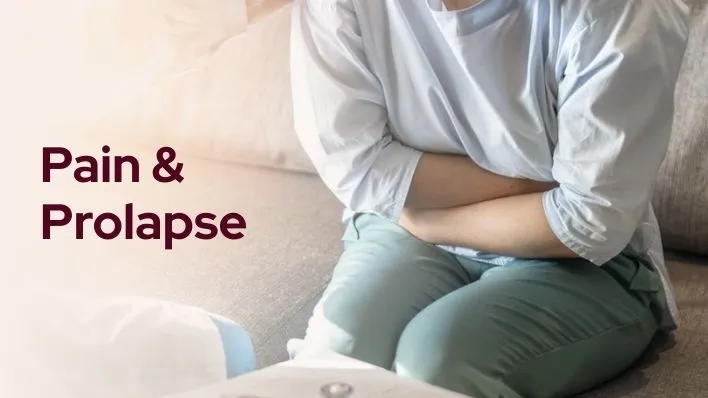
Patients often ask, “Can a prolapse cause pain?” The answer varies depending on the individual. Some experience a heavy, pulling sensation, while others might feel sharp discomfort or pelvic pressure.
However, not all cases involve pain. Early detection plays a vital role in determining the impact and treatment plan.
When Prolapse Becomes Painful?
One of the hallmark complaints about prolapse is the feeling of heaviness or fullness in the pelvic region, often described as if “something is falling out.”
This is called pelvic pressure. For some, this is accompanied by lower back pain or discomfort, especially when standing for long periods or lifting heavy objects.
Because the severity of these symptoms can vary, seeking a specialized
Pain during intercourse is another potential symptom of prolapse. This can impact emotional health and intimacy, but rest assured—you don’t have to accept this as the “norm.”
Expert guidance from an aesthetic gynecologist in Mumbai can help you regain both physical comfort and confidence.
If you’re constantly pushing through either sharp or dull pelvic pain, it’s time to listen to your body. The strain placed on those weakened muscles can worsen without intervention, making treatment essential.
TALK TO US
GET IN TOUCH ON
Is Prolapse Permanent, and How Is It Treated?
Many patients worry whether prolapse is something they’ll live with forever. The good news is that prolapse can be treated—with a range of options that vary based on severity.
For mild cases, lifestyle adjustments and non-invasive treatments can often control symptoms effectively.
Here are the main approaches:
- Lifestyle Adjustments: Diet and regular exercise—especially pelvic floor exercises like Kegels—strengthen the pelvic muscles and, in turn, offer better support. You’ll also want to avoid heavy lifting and maintain a healthy weight to reduce strain. If large hospitals are intimidating, smaller, specialised clinics within Mumbai hospitals for cosmetic gynecology can provide tailored advice in a more personal setting.
- Vaginal Pessary: For moderate prolapse, a soft device called a pessary can be inserted into the vagina to support the displaced organ. Think of it as a customised brace, designed to restore normal alignment and reduce discomfort.
- Surgery: For severe or advanced prolapse, surgical options offer effective, long-lasting relief. Procedures such as sacrocolpopexy (using mesh to strengthen support) or vaginal repairs can restore proper positioning and functionality of the pelvic organs. Keep in mind, choosing an experienced surgeon from the best cosmetic gynecologist in Mumbai improves outcomes significantly.
For expert evaluation and advanced women’s healthcare solutions, consult the specialists at Ahalya Cosmetic Gynecology, where privacy, precision, and patient well-being come first.
A Gentle Path Back to Comfort and Control
Early consultation and intervention not only relieve immediate pain but can prevent worsening symptoms and long-term complications, such as infections or tissue injury.
Living with prolapse can also take a toll on mental health. Embarrassment, isolation, or the loss of previous routines may leave you feeling stuck. Please know that prolapse is not your fault, and there’s no shame in seeking help.
The compassionate care provided by aesthetic gynaecologists hospital in Mumbai focuses not only on symptom relief but also on restoring your confidence and quality of life.
Frequently Asked Questions (FAQs)
1. Can men experience pelvic prolapse?
2. Can you prevent prolapse?
3. Can prolapse return after treatment?
4. Does pelvic prolapse affect fertility?
5. Is prolapse always visible or noticeable?
Time to Take Action
No matter where you are in your experience with prolapse, having a provider who listens and cares makes a world of difference. Unresolved symptoms of prolapse can impact physical, emotional, and intimate dimensions of your life—but there’s no need to settle for discomfort.
We’re here to ensure that you feel confident and cared for every step of the way. Whether through prevention, non-invasive treatment, or advanced surgical solutions, your comfort is our priority.
If you’re ready to take the first step toward a life free of pain and discomfort, reach out now. Consult with one of the best cosmetic gynecologists in Mumbai, discover modern, science-backed solutions, and reclaim the vibrant life you deserve. Book an appointment today!
Related Blogs

When Vaginal Itching Needs a Doctor’s Visit?
Itching isn’t always an infection. Mumbai’s Dr. Jay Mehta explains the real causes, and when self-treatment isn’t the right approach.
Surgical Treatment for Perineal Endometriosis: Wide Excision Explained
A painful lump that worsens with your period isn’t ordinary scar pain. Mumbai’s Dr. Jay Mehta explains diagnosis and when excision is needed.

Best Gynecologist for Recurrent Genital Infections in Mumbai
Recurring symptoms aren’t always the same infection. Mumbai’s Dr. Jay Mehta explains why, and what actually needs re-evaluating.
Can Perineal Endometriosis Come Back After Surgery?
Yes, but the odds favour most patients. Mumbai’s Dr. Jay Mehta explains what actually drives recurrence, and how to lower your risk.
Does Perineal Endometriosis Always Need Surgery?
No, not always. Mumbai’s Dr. Jay Mehta explains when hormonal therapy can work, and when surgery becomes the better option.
How to Find a Menopause Specialist Who Understands GSM Treatments
Look beyond hot flashes. Mumbai’s Dr. Jay Mehta explains what a good GSM consultation should cover, and the questions worth asking.

Can Vaginal Itching Without Discharge Really Be a Skin Condition?
Vaginal itching without discharge can be caused by skin irritation, dryness, eczema or other conditions. Know the causes, treatment and warning signs.

Why Do Postmenopausal Women Experience Vaginal Itching Without Infection?
Yes, declining estrogen alone can cause itching after menopause. Mumbai’s Dr. Jay Mehta explains why, and what actually helps.

Is Vaginal Itching After Sex Always Due to an Infection?
No, it’s not always an infection. Mumbai’s Dr. Jay Mehta explains how friction, allergies and pH shifts can all cause itching too.

Can Laundry Detergent Cause Chronic Vaginal Itching?
Yes, detergent is an overlooked cause of vaginal itching. Mumbai’s Dr. Jay Mehta explains why it’s mistaken for infection, and the fix.
Book Appointment
