


Why Consider Contraceptive Methods?
As a doctor, I’ve had countless meaningful conversations about health, but discussions about contraception are some of the most personal and important. Many people see contraception as just a means of preventing pregnancy, but its purpose extends far beyond that.
The right contraceptive methods can have a positive impact on your overall well-being, and modern clinics now offer options that cater to individual needs, including those of patients seeking advanced cosmetic gynecology treatment in Mumbai. Let’s explore what contraception is and why it might be an essential choice for you.

DR JAY MEHTA
What Is Contraception?
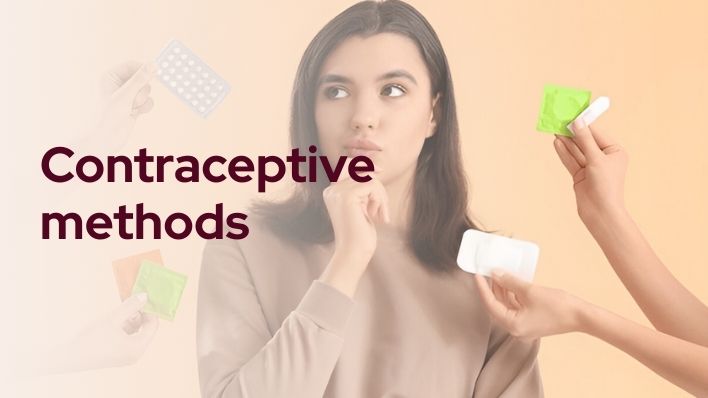
Contraception refers to any method, device, or medication used to prevent pregnancy. Think of it as a set of tools designed to support your reproductive health. There are many options available—from daily oral pills to long-acting devices that require little effort after placement.
The focus is on finding what fits your lifestyle, your body, and your needs. If you’re searching for the best “Contraception treatment in Mumbai“, it’s important to visit a trusted and experienced provider who understands the latest options and can personalize care for you.
It’s About More Than Preventing Pregnancy
⇒ Prevent Unplanned Pregnancy: Contraception empowers you to take control of your reproductive choices, allowing you to decide if, when, and under what circumstances you want to have children. This level of control can help you plan your future with confidence and align your personal and professional goals on your own terms.
- Family Planning Freedom: Contraception provides the flexibility to space out pregnancies according to your preferences. This can allow you to focus on important aspects of your life, such as advancing your career, achieving personal goals, or waiting until you feel emotionally and financially ready to grow your family.
- Menstrual Health Benefits:
- Hormonal contraception can help ease painful periods (dysmenorrhea), making a significant difference in quality of life for those who experience severe cramps or discomfort.
- It can also help regulate irregular menstrual cycles, providing more predictability and control over your schedule.
- For those who suffer from heavy menstrual bleeding, contraception can reduce flow and alleviate the physical toll it takes on your body.
- Additionally, it can help ease symptoms associated with PMS or PMDD, such as mood swings, fatigue, and bloating, improving both physical and emotional well-being during your cycle.
- Hormonal contraception can help ease painful periods (dysmenorrhea), making a significant difference in quality of life for those who experience severe cramps or discomfort.
- Manage Specific Health Conditions:
- Hormonal contraception is often prescribed to treat acne by regulating hormone levels and reducing breakouts.
- It can also support the management of polycystic ovary syndrome (PCOS), helping to regulate cycles, manage symptoms, and address hormone imbalances associated with the condition.
- For those with endometriosis, hormonal contraception can ease pain and discomfort by stabilizing hormones, reducing the severity of symptoms, and helping with overall management of the condition.
- Hormonal contraception is often prescribed to treat acne by regulating hormone levels and reducing breakouts.
- Improved Quality of Life: By addressing multiple health concerns, hormonal contraception contributes to a better overall sense of well-being. Whether it’s through fewer painful periods, better skin, or more control over reproductive choices, it can provide tangible benefits that improve day-to-day life.
⇒ Holistic Approach: Consulting with a cosmetic gynecologist can offer a more comprehensive perspective on your reproductive and sexual wellness. Their expertise can ensure that your needs are fully addressed, from contraception to overall health and well-being, tailoring solutions that suit your unique circumstances.
TALK TO US
GET IN TOUCH ON
Understanding the Different Types of Contraception
Choosing a contraceptive method can seem overwhelming. Let me guide you through the main types so you can make an informed decision.
Hormonal Methods
Hormonal contraception includes options like the pill, patch, vaginal ring, and injection. These work by releasing hormones—typically estrogen and progestin—to prevent ovulation (the release of an egg from the ovary) and thicken cervical mucus, making it harder for sperm to reach an egg. When used as directed, they’re highly effective and can offer added benefits such as lighter or more regular periods. In Mumbai, many modern gynecology centers provide comprehensive counseling on these and other options to help you make the best choice for your needs.
Long-Acting Reversible Contraceptives (LARCs)
If you’re looking for a highly effective option that’s easy to maintain, LARCs might be ideal. These “set it and forget it” methods include implants—a tiny rod inserted under the skin of your arm—and intrauterine devices (IUDs), which are placed in the uterus.
There are hormonal IUDs, which release a low dose of progestin and often make periods much lighter, and copper IUDs, which contain no hormones. LARCs have greater than 99% effectiveness and can last from three to ten years depending on the type. They do require a visit to your healthcare provider for placement and removal, but you won’t have to worry about a daily routine.
Women exploring reproductive health clinics Mumbai often inquire about LARCs for both convenience and long-term reproductive management.
Barrier Methods
Barrier methods, like male and female condoms, diaphragms, and cervical caps, physically block sperm from reaching the egg. Condoms are especially important because they’re the only contraceptive method that also protects against sexually transmitted infections (STIs).
Even if you’re on another contraceptive, using condoms protects your sexual health. In leading healthcare facilities, these options are part of teamwork-based contraception counseling to ensure balanced family planning.
Permanent Methods
For those certain they don’t want more children, permanent options are available. Tubal ligation (commonly called “getting your tubes tied”) for women and vasectomy for men are both surgical procedures that offer nearly 100% effectiveness. While some procedures can be reversed, consider them permanent, as reversal isn’t always successful.
How to Choose the Right Method for You?
With so many choices, settling on the best contraceptive can be daunting. That’s where a conversation with your healthcare provider comes in.
Together, we’ll look at what’s most important for you: effectiveness, your health history, and your daily routine. For example, if taking a pill every day isn’t your style, a long-acting option could be a better fit.
We’ll also talk through possible side effects—these can differ for everyone, so your experience is unique. And if you’re thinking about having children in the near future, we’ll focus on methods that are easy to stop when you’re ready. Many clinics providing contraception treatment in Mumbai offer digital consultations to help you find the safest, most effective option.
Addressing Common Concerns
It’s natural to have questions, especially with so much conflicting information online. One misconception I hear often is the fear that contraception causes infertility. Rest assured, fertility generally returns to normal after stopping most methods. There’s also the myth that contraception inevitably causes weight gain. Most large studies show this isn’t true for the majority of users.
Remember, everyone’s body reacts differently, but these concerns are not the norm for most people. If you are looking for expertise with cosmetic or functional gynecological needs, seeking guidance from the best cosmetic gynaecologist in Mumbai can further ensure your satisfaction and comfort.
Take Control of Your Health and Future
Exploring your options is the first step toward taking charge of your reproductive health. The right contraceptive offers not only reliable pregnancy prevention but also the opportunity for better menstrual health, peace of mind, and support for your life goals. People-first care means we listen to your priorities and guide you to a solution that truly works for you.
If you’re ready to find the contraception method that matches your life, reach out and schedule a consultation with a qualified healthcare provider in Mumbai. By talking openly about your needs, medical history, and plans for the future, you’ll receive reliable, science-backed guidance tailored just for you.
Whether you seek proven contraception treatment in Mumbai or wish to explore advanced cosmetic gynecology treatment, personalized care is the foundation of confidence and well-being. Take control of your reproductive health today—your future self will thank you.
Frequently Asked Questions (FAQs)
1. Can I start using contraception immediately after giving birth?
Yes, many contraception methods can be safely started soon after childbirth, but it depends on your personal health and whether you are breastfeeding. Talk with your doctor to find an option that fits your needs during the postpartum period.
2. Are there contraception choices for women who cannot take hormones?
Absolutely. Non-hormonal options like copper IUDs, condoms, and diaphragms are effective alternatives for those who prefer or need to avoid hormonal contraception.
3. Is emergency contraception safe for repeated use?
While emergency contraception is safe for occasional use, it’s not recommended as a routine method due to lower effectiveness compared to ongoing contraception methods. If you find yourself needing emergency contraception often, ask your doctor about long-term alternatives.
4. How do I know if I am experiencing side effects from my contraceptive method?
Side effects can range from mild changes in your menstrual cycle to headaches or mood changes. Keep track of any new symptoms and discuss them with your provider, especially if they affect your daily life.
5.Can advanced cosmetic gynecology procedures affect my contraception options?
Some advanced cosmetic gynecology treatments may impact which contraception methods are most suitable for you. Be sure to discuss your full gynecological and surgical history with your healthcare provider to ensure the best care and compatibility.
Conclusion
Choosing the right contraception is an empowering step that puts you in control of your reproductive health, body, and future. Working with a knowledgeable healthcare provider ensures that your care plan is tailored to your individual needs, preferences, and long-term wellness.
Personalized, compassionate guidance makes all the difference, helping you access safe, effective contraception alongside advanced gynecological clinic mumbai when needed. Don’t wait—start a conversation with a professional, explore your options, and move forward with confidence toward a happier, healthier life.
Related Blogs

When Vaginal Itching Needs a Doctor’s Visit?
Itching isn’t always an infection. Mumbai’s Dr. Jay Mehta explains the real causes, and when self-treatment isn’t the right approach.
Surgical Treatment for Perineal Endometriosis: Wide Excision Explained
A painful lump that worsens with your period isn’t ordinary scar pain. Mumbai’s Dr. Jay Mehta explains diagnosis and when excision is needed.

Best Gynecologist for Recurrent Genital Infections in Mumbai
Recurring symptoms aren’t always the same infection. Mumbai’s Dr. Jay Mehta explains why, and what actually needs re-evaluating.
Can Perineal Endometriosis Come Back After Surgery?
Yes, but the odds favour most patients. Mumbai’s Dr. Jay Mehta explains what actually drives recurrence, and how to lower your risk.
Does Perineal Endometriosis Always Need Surgery?
No, not always. Mumbai’s Dr. Jay Mehta explains when hormonal therapy can work, and when surgery becomes the better option.
How to Find a Menopause Specialist Who Understands GSM Treatments
Look beyond hot flashes. Mumbai’s Dr. Jay Mehta explains what a good GSM consultation should cover, and the questions worth asking.

Can Vaginal Itching Without Discharge Really Be a Skin Condition?
Vaginal itching without discharge can be caused by skin irritation, dryness, eczema or other conditions. Know the causes, treatment and warning signs.

Why Do Postmenopausal Women Experience Vaginal Itching Without Infection?
Yes, declining estrogen alone can cause itching after menopause. Mumbai’s Dr. Jay Mehta explains why, and what actually helps.

Is Vaginal Itching After Sex Always Due to an Infection?
No, it’s not always an infection. Mumbai’s Dr. Jay Mehta explains how friction, allergies and pH shifts can all cause itching too.
Can Laundry Detergent Cause Chronic Vaginal Itching?
Yes, detergent is an overlooked cause of vaginal itching. Mumbai’s Dr. Jay Mehta explains why it’s mistaken for infection, and the fix.
Book Appointment
