


How Serious Is a Pelvic Infection?
Over my years as a doctor, I’ve had many conversations with patients who come to me worried about pain in their lower abdomen. Sometimes, the cause is straightforward, but other times, we uncover something more complex, like a pelvic infection.
When I mention the term “Pelvic Inflammatory Disease,” or PID, I often see a look of concern. Questions like, “How serious is a pelvic infection?” or “Will I be okay?” are completely natural. I want to walk you through what PID is, why we take it so seriously, and how we can work together to protect your health.
Understanding PID is essential to proactively safeguarding your reproductive system, whether you are inquiring about advanced care at a cosmetic gynecology clinic in Mumbai, or seeking information on women’s health. The key thing I want you to know is that while PID can be serious, it is treatable. Acting quickly is crucial to preventing long-term problems, and that starts with understanding what you’re dealing with.

DR JAY MEHTA
What is Pelvic Inflammatory Disease?
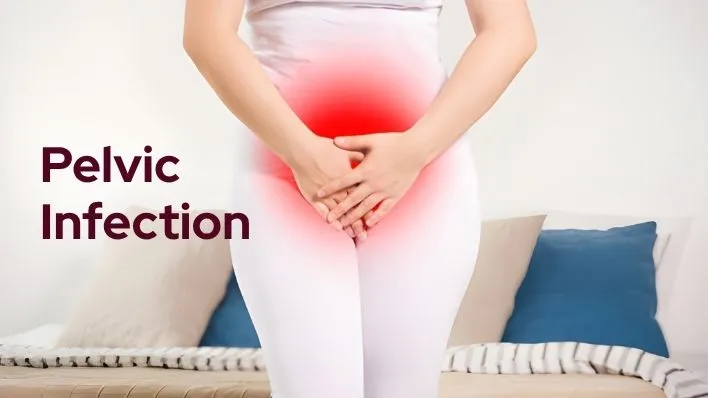
So, what exactly is PID? Think of it as an infection that has travelled upwards into the female reproductive organs. It can affect the uterus (your womb), the fallopian tubes (the pathways for your eggs), and the ovaries. It’s not just a simple infection; it’s an inflammatory condition, meaning the body’s response causes swelling and irritation in these delicate areas.
Most often, PID is a complication of a sexually transmitted infection (STI), especially chlamydia and gonorrhoea. When these infections are not treated, the bacteria can move from the vagina and cervix up into the reproductive system.
It’s also possible, though less common, for normal bacteria found in the vagina to cause PID, particularly after childbirth or a medical procedure that disturbs the cervix. Comprehensive reproductive care, including the expertise of a Gynecological Surgery Specialist in Mumbai, can be crucial in understanding and addressing such complex conditions.
The Serious Risks of an Untreated Pelvic Infection
This brings us to the main question: how serious is it? In my practice, I treat every case of PID with urgency because of its potential long-term consequences. The inflammation caused by the infection can lead to scarring inside your reproductive organs. This scar tissue isn’t just a mark; it can cause real, lasting damage.
One of the most significant concerns is infertility. When scar tissue forms in the fallopian tubes, it can create blockages. If an egg can’t travel down the tube to meet the sperm, or if a fertilised egg can’t make its way to the uterus, pregnancy can become very difficult. Studies show that about one in eight women with a history of PID will have trouble getting pregnant.
Another major risk is ectopic pregnancy. This is a dangerous condition where a fertilised egg implants outside the uterus, most commonly in a fallopian tube that has been damaged by scarring. An ectopic pregnancy cannot continue and can become a life-threatening emergency if it’s not treated quickly. The risk of this happening increases significantly after a PID diagnosis.
Finally, many people who have had PID experience chronic pelvic pain. This isn’t the temporary pain of the infection itself, but a persistent, long-lasting pain that can affect daily life for months or even years. This happens because the scar tissue can pull on and distort the pelvic organs, causing ongoing discomfort. Leading specialists, such as Dr. Jay Mehta at one of the Best Cosmetic Gynecology hospitals in Mumbai, often help patients manage chronic pelvic pain and other complications with empathy and skill.
TALK TO US
GET IN TOUCH ON
Recognising the Symptoms of PID
Varied Symptoms: The manifestations of PID can differ significantly from person to person. While some individuals may experience acute, severe pain that prompts immediate medical attention, others might have only mild discomfort or even no noticeable symptoms at all. This wide spectrum of presentation can make PID particularly challenging to diagnose, as the absence of intense pain doesn’t necessarily mean the absence of the infection.
Common Signs: When symptoms are present, they often include a range of indicators, such as:
- A persistent dull ache or pain in the lower abdomen and pelvic region. This discomfort can be constant or intermittent, and its intensity may vary.
- Unusual vaginal discharge, which might appear yellow or green, and often has an unpleasant odor, indicating a potential infection.
- Pain or discomfort during sexual intercourse, often felt deeply within the pelvis.
- Irregular vaginal bleeding, such as spotting or heavier flow, occurring between menstrual periods.
- A burning sensation or pain experienced during urination, which can sometimes be mistaken for a urinary tract infection.
Severe Cases: In more advanced or severe instances of PID, the infection can trigger a systemic response, leading to symptoms like fever, chills, and nausea, sometimes accompanied by vomiting. These signs typically indicate that the body is actively fighting a more widespread infection.
Crucial Check-ups: Given that many symptoms of PID can be subtle, easily overlooked, or even absent, regular medical check-ups are absolutely vital. This is especially true for individuals who are sexually active, as early detection and treatment are key to preventing potential long-term complications, such as chronic pelvic pain or infertility.
How Do We Diagnose and Treat PID?
If you’re asking, “How do I know if I have a pelvic infection?”, the only way to be sure is to see a healthcare professional. There isn’t a single test for PID. Instead, I make a diagnosis based on a combination of factors. I’ll start by asking about your medical history and symptoms. Then, I’ll perform a pelvic exam to check for any tenderness in your reproductive organs.
We will almost always run tests for STIs like chlamydia and gonorrhoea. Depending on the situation, we might also use blood tests, a urine test, or an ultrasound to get a better look at your pelvic organs and rule out other conditions.
The good news is that PID is curable with antibiotics. The treatment typically involves a 14-day course of medication designed to fight the most likely bacteria. It is vital that you take the entire course, even if you start to feel better.
I also stress the importance of your sexual partner(s) getting tested and treated. If they don’t, you risk being reinfected as soon as you resume sexual activity. In severe cases, particularly if there’s a pocket of infection called an abscess, a hospital stay for intravenous (IV) antibiotics may be necessary.
Protecting Your Future Health: Prevention is Key
As a doctor, I believe the best approach to medicine is prevention. You can take active steps to lower your risk of developing PID. Practising safe sex by using condoms every time is one of the most effective ways to prevent the STIs that cause PID. It’s also wise to have open conversations with new partners about your sexual health histories.
Regular STI screening is another powerful tool. If you are sexually active, getting tested annually, or more often if you have new partners, allows us to catch and treat infections before they can lead to PID.
Finally, it’s best to avoid douching, as it can upset the natural balance of healthy bacteria in your vagina and potentially push harmful bacteria further into your reproductive system. Leading clinics that offer cosmetic gynecology in Mumbai often educate patients on preventive care, not just focusing on aesthetics but on holistic reproductive wellness.
Your reproductive health is precious. A pelvic infection is more than just a temporary illness; it can have lasting effects on your fertility and overall well-being. If you are experiencing any symptoms or are concerned about your risk, please don’t wait.
Take control of your health today. Schedule an appointment with your gynaecologist health clinic to discuss your concerns, get screened for STIs, and create a plan to protect your reproductive future.
Frequently Asked Questions (FAQs)
1. What is the difference between a pelvic infection and a urinary tract infection?
A pelvic infection (like PID) affects the reproductive organs such as the uterus, fallopian tubes, and ovaries, while a urinary tract infection mainly involves the bladder and urethra. Both conditions can cause pelvic pain but require different treatments.
2. Can cosmetic gynecology procedures help with issues beyond aesthetics?
Yes, procedures offered under cosmetic gynecology in Mumbai, such as vaginal rejuvenation or prolapse repair, can improve function, comfort, and confidence, not just appearance. These interventions can be especially helpful after childbirth or with age-related changes.
3. Are all gynecological surgeries performed under general anesthesia?
Not always. Many treatments performed by a Gynecological Surgery Specialist in Mumbai—including minimally invasive procedures—can be done with local or regional anesthesia, reducing recovery time and risks.
4. Is chronic pelvic pain always related to PID?
No, chronic pelvic pain can result from a range of conditions such as endometriosis, fibroids, or gastrointestinal issues. It’s important to consult a specialist for a thorough evaluation.
5. How do I choose the best cosmetic gynecology hospital in Mumbai?
Consider a hospital led by an experienced surgeon like Dr. Jay Mehta, known for his expertise in complex gynecological care. Look at patient reviews, the range of services provided, and the hospital’s commitment to advanced techniques and individualized care.
Conclusion
Pelvic infections, or PID, are serious but treatable conditions that require prompt attention. Understanding the symptoms, seeking timely medical care, and following through with treatment are crucial to protecting your reproductive health and preventing long-term complications like infertility, ectopic pregnancy, or chronic pelvic pain.
Prevention through safe sexual practices, regular STI screening, and awareness of your body’s signals can make a significant difference. By taking proactive steps and consulting an experienced gynecologist, you can safeguard your reproductive future and maintain overall wellness. Your health matters—don’t wait to act.
Related Blogs

When Vaginal Itching Needs a Doctor’s Visit?
Itching isn’t always an infection. Mumbai’s Dr. Jay Mehta explains the real causes, and when self-treatment isn’t the right approach.
Surgical Treatment for Perineal Endometriosis: Wide Excision Explained
A painful lump that worsens with your period isn’t ordinary scar pain. Mumbai’s Dr. Jay Mehta explains diagnosis and when excision is needed.

Best Gynecologist for Recurrent Genital Infections in Mumbai
Recurring symptoms aren’t always the same infection. Mumbai’s Dr. Jay Mehta explains why, and what actually needs re-evaluating.
Can Perineal Endometriosis Come Back After Surgery?
Yes, but the odds favour most patients. Mumbai’s Dr. Jay Mehta explains what actually drives recurrence, and how to lower your risk.
Does Perineal Endometriosis Always Need Surgery?
No, not always. Mumbai’s Dr. Jay Mehta explains when hormonal therapy can work, and when surgery becomes the better option.
How to Find a Menopause Specialist Who Understands GSM Treatments
Look beyond hot flashes. Mumbai’s Dr. Jay Mehta explains what a good GSM consultation should cover, and the questions worth asking.

Can Vaginal Itching Without Discharge Really Be a Skin Condition?
Vaginal itching without discharge can be caused by skin irritation, dryness, eczema or other conditions. Know the causes, treatment and warning signs.

Why Do Postmenopausal Women Experience Vaginal Itching Without Infection?
Yes, declining estrogen alone can cause itching after menopause. Mumbai’s Dr. Jay Mehta explains why, and what actually helps.

Is Vaginal Itching After Sex Always Due to an Infection?
No, it’s not always an infection. Mumbai’s Dr. Jay Mehta explains how friction, allergies and pH shifts can all cause itching too.

Can Laundry Detergent Cause Chronic Vaginal Itching?
Yes, detergent is an overlooked cause of vaginal itching. Mumbai’s Dr. Jay Mehta explains why it’s mistaken for infection, and the fix.
Book Appointment
