


Is Life Normal After Obstetric Fistula Surgery?
I’ve had the honour of witnessing incredible transformations. Few are as profound as seeing a woman reclaim her life after obstetric fistula surgery. For years, sometimes decades, these women have lived in the shadows, burdened by a condition that isolates and shames them.
The journey to recovery is deeply personal, but I want to share what you can realistically expect. The answer is overwhelmingly positive: yes, life can return to normal. In fact, for many, it becomes a new, more joyful normal they thought they had lost forever.
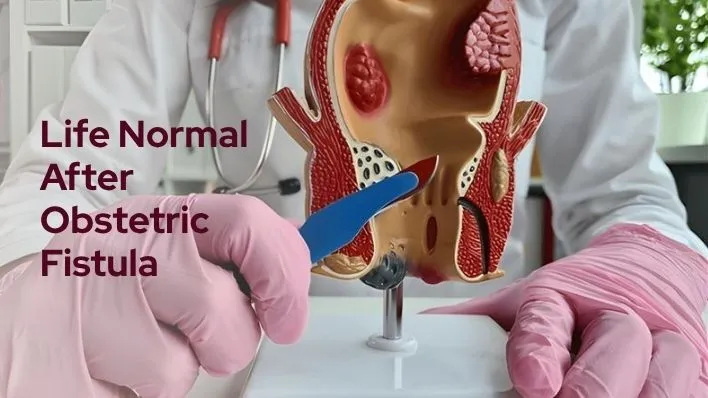

DR JAY MEHTA
The First Step: Understanding the Surgery’s Goal
Before we talk about life after surgery, it’s important to understand the goal of the surgery. An obstetric fistula is a hole between the birth canal and the bladder or rectum, caused by prolonged, obstructed labour.
The constant leakage of urine or faeces is physically and emotionally devastating. The surgical repair is a delicate, reconstructive procedure aimed at one thing: closing that hole. When performed by a skilled surgeon, the success rates are very high—often over 90%.
The surgery is designed to restore continence, which means giving you back control over your body. This single act is the foundation upon which a new life is built.
The Immediate Post-Surgery Period: Healing Begins
Recovery starts the moment the surgery is complete. This initial phase is crucial for ensuring the repair heals properly. You can expect to have a urinary catheter in place for about two to three weeks. This small tube drains urine from your bladder, allowing the surgical site to heal without any pressure or strain.
During this time, rest is your most important task. We encourage you to drink plenty of water to keep your urine flowing and prevent infections. Our nursing staff will be there to care for you, ensuring you are comfortable and that the healing is progressing as it should.
It might feel like a slow process, but every day is a step towards regaining your freedom. This is a time for patience and allowing your body the space it needs to mend.
TALK TO US
GET IN TOUCH ON
Physical Recovery: Rebuilding Strength and Confidence
Once the catheter is removed, a significant milestone is reached. For many women, this is the first time in years they have been dry. It’s a moment of immense relief and often tears of joy. However, the journey isn’t over. Your body, particularly your pelvic floor muscles, has been through a lot.
We typically recommend physiotherapy to help you regain strength and control. Pelvic floor exercises, sometimes called Kegels, are essential. These exercises help strengthen the muscles that support your bladder and improve continence. A physiotherapist can guide you on how to do them correctly. While many women achieve full continence immediately, some may experience minor leakage, especially when coughing or sneezing. This usually improves over time with consistent exercises.
At Ahalya Cosmetic Gyneclogy, we support women in their recovery journey with specialized treatments such as vaginal tightening, pelvic floor rehabilitation, and vaginal rejuvenation—each designed to restore comfort, control, and confidence after surgery or childbirth.
Returning to daily activities should be gradual. We advise avoiding heavy lifting or strenuous work for at least a few months to protect the surgical repair. Your body will tell you when it’s ready, and it’s important to listen to it.
If you’re looking to regain strength and feminine wellness safely, explore our advanced treatment options tailored to your needs and guided by expert gynecologists at Ahalya Cosmetic Gynecology Clinic.
Emotional and Social Reintegration: Finding Your Place Again
The physical scars of a fistula are often easier to heal than the emotional ones. Many women have endured years of isolation, rejection, and deep shame. Stepping back into the community can be daunting. You may worry about how people will treat you or fear that the leakage might return.
This is why emotional support and counselling are a critical part of recovery. Talking about your experiences in a safe and supportive environment can help you process the trauma and rebuild your self-esteem. Many fistula centres, whether in Mumbai, London, or Nairobi, offer these services.
Connecting with other women who have gone through the same journey can be incredibly powerful. You realise you are not alone.
I’ve seen women who hadn’t left their homes in a decade slowly start to visit the market, attend community events, and reconnect with family and friends. Their confidence grows with each small step. They are no longer defined by their condition but by their strength and resilience.
Start your healing journey with compassionate care. Visit Ahalya Cosmetic Gynecology Clinic in mumbai to connect with our team and regain confidence today.
Intimacy and Future Pregnancies: Common Concerns
Naturally, many women wonder about their future relationships and the possibility of having more children. It is absolutely possible to resume a healthy and pain-free sexual life after a successful fistula repair.
However, it is vital to wait until your surgeon gives you the all-clear, which is usually after a few months, to ensure the tissues are fully healed.
If you wish to have more children, this is also a possibility for many women. The most crucial piece of advice we give is that any future delivery must be by a planned Caesarean section.
A vaginal delivery would put immense pressure on the repaired area and could cause the fistula to reopen. By planning for a C-section before labour begins, you can safely welcome another child into your life without risking your health.
Frequently Asked Questions (FAQs)
1. Will I need more than one surgery?
For most simple fistulas, one surgery is enough. However, for more complex or large fistulas, or if a previous repair was unsuccessful, a second surgery might be necessary. An experienced surgeon will give you the best chance of success on the first attempt.
2. Are there any dietary restrictions after fistula surgery?
In the immediate recovery period, you will be encouraged to eat a balanced diet and drink plenty of fluids to prevent urinary tract infections and constipation. Straining during a bowel movement can put pressure on the repair, so a diet rich in fibre is often recommended.
3. What happens if I still have some leakage after surgery?
A small amount of leakage, known as residual incontinence, can sometimes occur, especially in the first few weeks. This is often due to bladder irritation or weakened pelvic floor muscles. Consistent physiotherapy and time usually resolve this. If it persists, other treatments may be available.
4. How long do I have to wait to have surgery after childbirth?
Traditionally, surgeons preferred to wait at least three months after delivery to allow the tissues to heal and inflammation to subside. However, recent research shows that in some cases, early repair within a few weeks can also be successful. Your surgeon will determine the best timing for you.
5. Can a fistula come back after being repaired?
Recurrence is rare, especially if the surgery was successful and you follow post-operative advice. The biggest risk factor for recurrence is undergoing a vaginal delivery after a repair. This is why a planned C-section for all future births is so strongly recommended.
Conclusion
So, is life normal after obstetric fistula surgery? Yes. It is a return to the simple dignities of life: staying dry, wearing the clothes you love, working, socialising, and feeling whole again.
The surgery is not just a medical procedure; it is a gateway to a second chance at life. The path requires patience and support, but the destination is one of freedom and renewed hope.
If you or someone you know has been living with a fistula, please know that you do not have to endure it. A life free from leakage and shame is not just a dream—it is an achievable reality.
Your journey to a new life can start today. Don’t let a fistula control your future. Reach out to a specialist to discuss your options. At Ahalya Cosmetic Gynecology, Dr. Jay Mehta and our compassionate team are dedicated to helping you heal.
Related Blogs

When Vaginal Itching Needs a Doctor’s Visit?
Itching isn’t always an infection. Mumbai’s Dr. Jay Mehta explains the real causes, and when self-treatment isn’t the right approach.

Surgical Treatment for Perineal Endometriosis: Wide Excision Explained
A painful lump that worsens with your period isn’t ordinary scar pain. Mumbai’s Dr. Jay Mehta explains diagnosis and when excision is needed.

Best Gynecologist for Recurrent Genital Infections in Mumbai
Recurring symptoms aren’t always the same infection. Mumbai’s Dr. Jay Mehta explains why, and what actually needs re-evaluating.
Can Perineal Endometriosis Come Back After Surgery?
Yes, but the odds favour most patients. Mumbai’s Dr. Jay Mehta explains what actually drives recurrence, and how to lower your risk.
Does Perineal Endometriosis Always Need Surgery?
No, not always. Mumbai’s Dr. Jay Mehta explains when hormonal therapy can work, and when surgery becomes the better option.
How to Find a Menopause Specialist Who Understands GSM Treatments
Look beyond hot flashes. Mumbai’s Dr. Jay Mehta explains what a good GSM consultation should cover, and the questions worth asking.

Can Vaginal Itching Without Discharge Really Be a Skin Condition?
Vaginal itching without discharge can be caused by skin irritation, dryness, eczema or other conditions. Know the causes, treatment and warning signs.

Why Do Postmenopausal Women Experience Vaginal Itching Without Infection?
Yes, declining estrogen alone can cause itching after menopause. Mumbai’s Dr. Jay Mehta explains why, and what actually helps.

Is Vaginal Itching After Sex Always Due to an Infection?
No, it’s not always an infection. Mumbai’s Dr. Jay Mehta explains how friction, allergies and pH shifts can all cause itching too.

Can Laundry Detergent Cause Chronic Vaginal Itching?
Yes, detergent is an overlooked cause of vaginal itching. Mumbai’s Dr. Jay Mehta explains why it’s mistaken for infection, and the fix.
Book Appointment
