


7 Things You Might Not Know About Obstetric Fistula
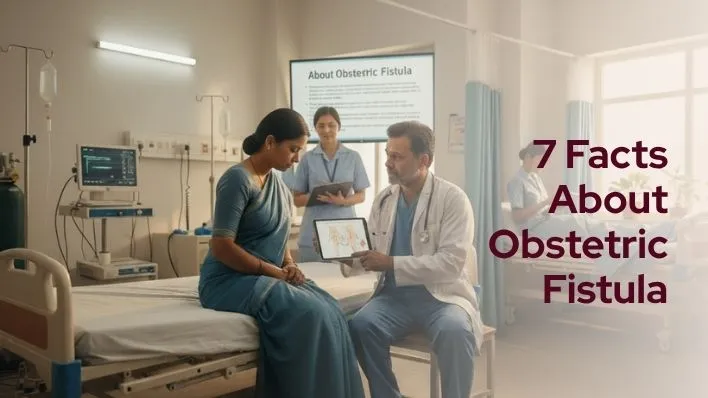
This devastating childbirth injury remains unfamiliar to many, yet it affects hundreds of thousands of women worldwide each day. Let me share key insights about obstetric fistula, shedding light on facts every person should know.

DR JAY MEHTA
1. It’s a Direct Result of Obstructed Labour
When this tissue dies, a hole—or fistula—forms between the birth canal and the bladder or rectum. This leads to constant, uncontrollable leakage of urine or faeces. Devastatingly, about 90% of these pregnancies result in the loss of the baby.
The mother survives with both a life-changing injury and profound grief. Obstetric fistula is not caused by infection or disease but by a lack of access to emergency interventions, such as caesarean sections, which are standard in developed countries.
2. Young Girls Are Especially Vulnerable
Additionally, poverty and malnutrition can stunt physical development and worsen health outcomes, making childbirth more dangerous. Limited access to healthcare compounds these risks, leaving many girls and women vulnerable to injuries that should be preventable.
For personalized guidance on reproductive health and safe motherhood, compassionate care is now just a click away. Book a trusted gyno consultation online in India with Ahalya Cosmetic Gynecology in Mumbai, where experienced specialists provide understanding, expert advice, and ongoing support—all from the comfort and privacy of your home.
TALK TO US
GET IN TOUCH ON
3. The Physical and Emotional Toll Is Immense
The resulting odor from incontinence can be distressing and isolating. Just as significant is the emotional suffering. Too often, women with fistula are blamed, misunderstood, or ostracized by family and community.
Many face abandonment, loneliness, and depression simply because of a condition they could not prevent. Their voices often go unheard, and their pain becomes invisible to society.
4. Fistula Is a Glaring Sign of Global Inequality
Underlying causes such as poverty and gender inequality are deeply intertwined with this issue. Women without control over their reproductive health or decisions about when and where to give birth face the highest risks.
This is a human rights issue, reflecting the broader struggle for fairness and dignity in healthcare. If you’re seeking compassionate care and modern solutions for women’s health, a consultation with a cosmetic gynecology expert in Mumbai can offer access to advanced treatments and supportive counseling.
5. Fistula Is Treatable With Surgery
Unfortunately, treatment is frequently out of reach. Many women cannot afford surgery or the journey to specialized medical centers, and there is a global shortage of skilled surgeons for fistula repair. For every woman who receives help, many more are still waiting for care.
Mumbai hospitals for cosmetic gynecology are expanding their services, making advanced surgical care more accessible for women suffering from complex reproductive health conditions.
6. Prevention Remains the Ultimate Goal
Addressing the root causes—like ending child marriage, improving nutrition, and empowering women through education—can dramatically reduce the incidence of obstetric fistula.
Health education and community outreach are essential to break the cycle of preventable injuries and ensure safe childbirth for all.
When communities value girls’ education and women’s health, the risk of this devastating injury decreases. Every girl who can make her own choices is one less at risk.
7. Global Efforts Are Creating Change
The worldwide push to eliminate obstetric fistula is growing stronger. Initiatives like the UNFPA Campaign to End Fistula are supporting thousands of surgeries and empowering programs across more than 55 countries.
Humanitarian organizations, such as Doctors Without Borders, are reaching underserved populations with vital surgical and support services.
The United Nations has set an ambitious but achievable goal: to end obstetric fistula within a generation. This movement is about restoring dignity and hope—and it requires awareness, collaboration, and action.
If you or someone you know is seeking obstetrical fistula treatment in Mumbai, Ahalya Cosmetic Gynecology in Mumbai offers advanced, compassionate care led by experienced specialists. Our team provides comprehensive evaluation, minimally invasive surgical options, and post-recovery support to help women regain confidence and quality of life. Reach out today to begin your journey toward complete healing and restored well-being.
Frequently Asked Questions (FAQs)
1. What are the early signs of obstetric fistula that women should watch for?
2. Can obstetric fistula recur after surgical treatment?
3. Is obstetric fistula only found in developing countries?
4. Can obstetric fistula affect a woman’s ability to have children in the future?
5. How can family members or communities support women recovering from obstetric fistula?
Conclusion
Take the Next Step With Dr. Jay Mehta
Expert help and compassionate support are available to guide you or your loved one toward healing. At Ahalya Cosmetic Gynecology, we specialize in comprehensive, science-backed care tailored to your needs. Whether you are seeking information, treatment options, or support, Dr. Jay Mehta and our team are here for you.
Related Blogs

When Vaginal Itching Needs a Doctor’s Visit?
Itching isn’t always an infection. Mumbai’s Dr. Jay Mehta explains the real causes, and when self-treatment isn’t the right approach.

Surgical Treatment for Perineal Endometriosis: Wide Excision Explained
A painful lump that worsens with your period isn’t ordinary scar pain. Mumbai’s Dr. Jay Mehta explains diagnosis and when excision is needed.

Best Gynecologist for Recurrent Genital Infections in Mumbai
Recurring symptoms aren’t always the same infection. Mumbai’s Dr. Jay Mehta explains why, and what actually needs re-evaluating.
Can Perineal Endometriosis Come Back After Surgery?
Yes, but the odds favour most patients. Mumbai’s Dr. Jay Mehta explains what actually drives recurrence, and how to lower your risk.
Does Perineal Endometriosis Always Need Surgery?
No, not always. Mumbai’s Dr. Jay Mehta explains when hormonal therapy can work, and when surgery becomes the better option.

How to Find a Menopause Specialist Who Understands GSM Treatments
Look beyond hot flashes. Mumbai’s Dr. Jay Mehta explains what a good GSM consultation should cover, and the questions worth asking.

Can Vaginal Itching Without Discharge Really Be a Skin Condition?
Vaginal itching without discharge can be caused by skin irritation, dryness, eczema or other conditions. Know the causes, treatment and warning signs.

Why Do Postmenopausal Women Experience Vaginal Itching Without Infection?
Yes, declining estrogen alone can cause itching after menopause. Mumbai’s Dr. Jay Mehta explains why, and what actually helps.

Is Vaginal Itching After Sex Always Due to an Infection?
No, it’s not always an infection. Mumbai’s Dr. Jay Mehta explains how friction, allergies and pH shifts can all cause itching too.

Can Laundry Detergent Cause Chronic Vaginal Itching?
Yes, detergent is an overlooked cause of vaginal itching. Mumbai’s Dr. Jay Mehta explains why it’s mistaken for infection, and the fix.
Book Appointment
