


Can a Prolapse Be Dangerous?
When it comes to women’s health, no topic should feel embarrassing or off-limits. Pelvic organ prolapse (commonly referred to as prolapse) is one such condition that many women experience but hesitate to discuss.
It is a condition in which weakened pelvic muscles and tissues cause one or more pelvic organs—such as the bladder, uterus, or rectum—to drop or press against the vaginal walls. While prolapse is not necessarily dangerous, it can significantly affect your quality of life.
As a doctor, I often emphasize that conditions like prolapse can and should be addressed in a safe and compassionate environment, such as those provided by trusted specialists, including the cosmetic gynecologist in Mumbai.
Let’s explore this topic together to understand what prolapse entails, its potential impacts, and the available treatment options.
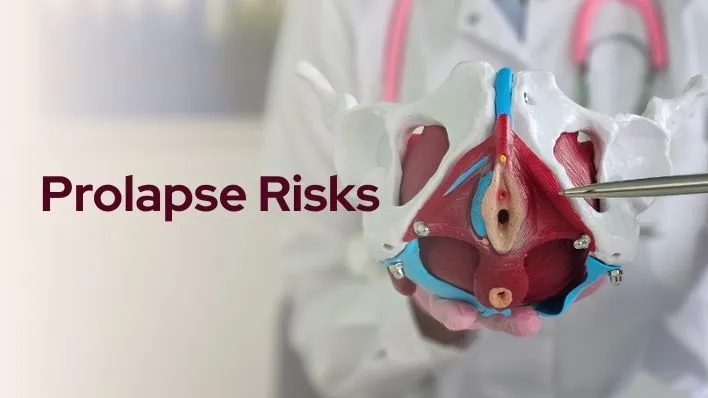
Key Takeaways: Pelvic Organ Prolapse
-
Pelvic organ prolapse occurs when weakened pelvic muscles allow organs to press into the vaginal wall.
-
Prolapse is not life-threatening but can significantly affect comfort and daily functioning.
-
Common symptoms include pelvic heaviness, vaginal bulge, urinary issues, and bowel difficulty.
-
Early-stage prolapse can often be managed with pelvic floor exercises and lifestyle changes.
-
Non-surgical options like pessaries provide effective symptom relief for many women.
-
Surgical treatment offers long-term improvement in moderate to severe prolapse cases.
REVIEWED BY

DR JAY MEHTA
Scientific Director & Gynec Surgeon with 10+ years of experience
GET IN TOUCH ON
What Exactly Is Pelvic Organ Prolapse and How Does It Happen?
Pelvic organ prolapse happens when the muscles and ligaments that support your pelvic organs weaken, often due to factors like childbirth, ageing, hormonal changes during menopause, or chronic conditions such as constipation or heavy coughing.
The type of prolapse depends on the organ involved:
- Cystocele occurs when the bladder presses into the vaginal wall due to weakened pelvic floor muscles or tissue. This can lead to symptoms such as a sensation of pressure in the pelvic area, difficulty starting urination, incomplete bladder emptying, or frequent urinary tract infections.
- Rectocele happens when the rectum bulges into the vaginal wall, often as a result of childbirth, heavy lifting, or chronic constipation. This condition can cause symptoms like difficulty with bowel movements, a feeling of fullness, or even the need to apply pressure to the vagina to help pass stool.
- Uterine prolapse involves the uterus slipping down into or outside of the vagina, typically due to weakened pelvic muscles and ligaments. This may cause discomfort, a pulling sensation in the pelvis, lower back pain, or issues with urination and bowel movements. In severe cases, the uterus may be visible outside the vaginal opening.
While these terms might sound technical, think of prolapse as a process where the internal support system of your pelvis loses some of its strength, leading to a noticeable bulge or discomfort in the vaginal area.
Is Pelvic Organ Prolapse Dangerous or Life-Threatening?
One of the most common questions I hear is, “Can a prolapse be dangerous?” The short answer is no; prolapse isn’t life-threatening. However, ignoring the condition can lead to complications.
For example, severe cases of uterine or bladder involvement might cause difficulty in passing urine, leading to urinary tract infections. Persistent pressure and friction from the prolapse can also lead to vaginal irritation or bleeding.
That said, I want to assure you that with proper care, these symptoms can be managed effectively. Modern approaches, including consultations with an aesthetic gynecologist in Mumbai, offer a variety of solutions to help women regain both comfort and confidence.
TALK TO US
GET IN TOUCH ON
What Are the Key Symptoms of Prolapse That You Shouldn’t Ignore?
Prolapse is a progressive condition, meaning its symptoms can worsen if left untreated. Some of the symptoms include:
-
- A sensation of heaviness or pressure in your pelvic area.
- A visible or felt bulge at the vaginal opening.
- Difficulty urinating or the need to empty your bladder frequently.
- Constipation or straining during bowel movements.
- Pain during sexual intercourse.
Although these symptoms can disrupt daily life, they are manageable with the right care.
What Causes These Conditions?
The most common reason behind both vaginal laxity and prolapse is childbirth—especially if the delivery involved a large baby or instruments like forceps or vacuum.
Hormonal changes, particularly after menopause, can also play a role by reducing estrogen levels. This affects the elasticity and strength of vaginal tissues.
Other risk factors include:
-
- Long-term constipation or straining
- Obesity
- Chronic coughing or smoking
- Heavy lifting
- Family history of weak connective tissue
Many women who seek pelvic floor treatment in mumbai face a combination of these factors, not just one.
Early attention can prevent prolapse symptoms from worsening. You can call or book a consultation at Ahalya Cosmetic Gynecology, Mumbai, to receive personalised care from Dr. Jay Mehta.
What Are the Most Effective Treatment Options for Pelvic Prolapse?
When dealing with prolapse, I always encourage a patient-centred approach. Together, we determine the best course of action based on your symptoms, lifestyle, and long-term goals.
→ Lifestyle Changes
For early-stage prolapse, lifestyle modifications can ease symptoms and prevent further worsening. Maintaining a healthy weight, treating chronic constipation, and avoiding heavy lifting are excellent first steps. Pelvic floor exercises, like Kegels, are particularly effective in strengthening the muscles that support your pelvic organs.
→ Non-Surgical Interventions
One common and minimally invasive option is using a pessary—a small silicone device inserted into the vagina that provides support and reduces discomfort. It’s a safe, reversible solution that many women prefer. Women in Mumbai are fortunate to have access to Mumbai hospitals for cosmetic gynecology, where trained specialists can ensure the proper fit and care of these devices.
→ Surgical Solutions
For women with severe prolapse or those seeking long-term relief, surgery offers excellent outcomes. Surgical options depend on the type and severity of the prolapse, ranging from repairing vaginal walls to performing a hysterectomy in cases of uterine prolapse. Certain procedures may involve using surgical mesh for added support. The important thing to know is that surgery is not a one-size-fits-all solution—it’s tailored to what works best for you.
Mumbai, home to some of the best cosmetic gynecologists in Mumbai, provides world-class facilities and expertise for prolapse surgeries, ensuring patient safety and emotional well-being.
How Can You Prevent Pelvic Organ Prolapse from Getting Worse?
Even if you’ve never experienced prolapse, there are steps you can take to reduce your risk. Regular pelvic floor exercises, proper posture during heavy lifting, and maintaining a healthy weight all go a long way.
For women who are post-menopausal, vaginal estrogen therapy can improve vaginal health and reduce the likelihood of prolapse progression.
Why Is It Important to Speak Openly with a Specialist About Prolapse?
One of the barriers to treatment is the stigma surrounding pelvic health. Many women feel embarrassed discussing prolapse, but trust me, it’s more common than you think.
Clinics that specialise in gynecological health, such as those led by an aesthetic gynecologist in Mumbai, create a judgment-free space where you can discuss your concerns openly.
Frequently Asked Questions (FAQs)
1. Can prolapse fix itself without treatment?
Prolapse does not reverse on its own. However, early intervention via lifestyle changes or physical therapy can manage symptoms and stop it from worsening.
2. Is prolapse surgery risky?
Like any surgery, prolapse repairs carry some risks. However, modern techniques and expert care significantly reduce complications. Always discuss risks and benefits with your doctor.
3. Can young women get prolapse?
Yes, while prolapse is more common in older women, younger women, especially those who have had multiple vaginal births, can develop it too.
4. Will prolapse return after surgery?
Recurrence can happen but is less likely if preventive steps, such as pelvic floor strengthening, are taken post-surgery.
5. Can sexual activity worsen prolapse?
No, sexual intercourse does not worsen prolapse, though it may cause discomfort in severe cases. Treatment can help alleviate this.
Time to Take Action
Prolapse might not pose a direct threat to your life, but it’s a condition that calls for attention and care. Whether you’re experiencing mild symptoms or significant discomfort, don’t hesitate to prioritize your health. Reach out to an aesthetic gynecologist in Mumbai to explore your options.
You deserve to live without the discomfort and limitations prolapse can bring. Book an appointment with a specialist today to take the first step toward recovery. Remember, the path to feeling like yourself again starts with a simple conversation.
Your body deserves care—and so do you!
Related Blogs

When Vaginal Itching Needs a Doctor’s Visit?
Itching isn’t always an infection. Mumbai’s Dr. Jay Mehta explains the real causes, and when self-treatment isn’t the right approach.
Surgical Treatment for Perineal Endometriosis: Wide Excision Explained
A painful lump that worsens with your period isn’t ordinary scar pain. Mumbai’s Dr. Jay Mehta explains diagnosis and when excision is needed.

Best Gynecologist for Recurrent Genital Infections in Mumbai
Recurring symptoms aren’t always the same infection. Mumbai’s Dr. Jay Mehta explains why, and what actually needs re-evaluating.
Can Perineal Endometriosis Come Back After Surgery?
Yes, but the odds favour most patients. Mumbai’s Dr. Jay Mehta explains what actually drives recurrence, and how to lower your risk.
Does Perineal Endometriosis Always Need Surgery?
No, not always. Mumbai’s Dr. Jay Mehta explains when hormonal therapy can work, and when surgery becomes the better option.

How to Find a Menopause Specialist Who Understands GSM Treatments
Look beyond hot flashes. Mumbai’s Dr. Jay Mehta explains what a good GSM consultation should cover, and the questions worth asking.

Can Vaginal Itching Without Discharge Really Be a Skin Condition?
Vaginal itching without discharge can be caused by skin irritation, dryness, eczema or other conditions. Know the causes, treatment and warning signs.

Why Do Postmenopausal Women Experience Vaginal Itching Without Infection?
Yes, declining estrogen alone can cause itching after menopause. Mumbai’s Dr. Jay Mehta explains why, and what actually helps.

Is Vaginal Itching After Sex Always Due to an Infection?
No, it’s not always an infection. Mumbai’s Dr. Jay Mehta explains how friction, allergies and pH shifts can all cause itching too.

Can Laundry Detergent Cause Chronic Vaginal Itching?
Yes, detergent is an overlooked cause of vaginal itching. Mumbai’s Dr. Jay Mehta explains why it’s mistaken for infection, and the fix.
Book Appointment
