


Can Endometriosis Truly Cause Bacterial Vaginosis?
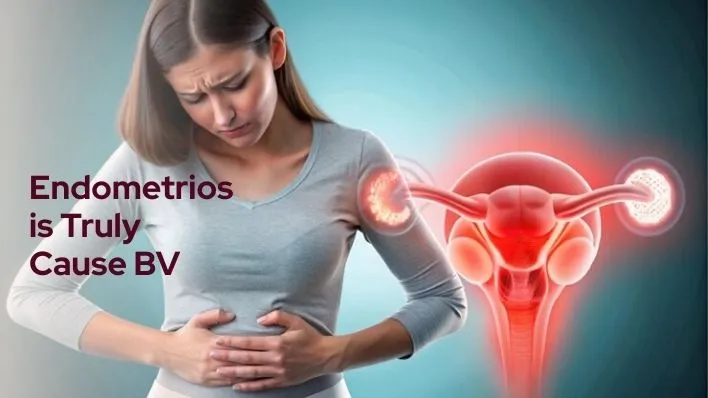
Hello, I’m Dr. Jay Mehta, and I want to talk about a connection that often surprises my patients: the complex relationship between endometriosis and bacterial vaginosis (BV).
Many women coping with the debilitating chronic pelvic pain of endometriosis also find themselves struggling with recurrent or persistent BV.
While endometriosis does not directly transmit the BV bacteria, yes, there is a significant indirect link where the inflammatory nature of endometriosis creates a perfect storm for vaginal dysbiosis.
As a specialist dedicated to fertility, endometriosis excision, and women’s intimate health, I see firsthand how these two conditions overlap, making early diagnosis and integrated treatment essential for overall wellness.

DR JAY MEHTA
Key Takeaways
- Yes, there is a strong correlation, but it’s indirect. Endometriosis doesn’t directly transmit BV, but the chronic inflammation and immune dysfunction it causes disrupt the delicate vaginal microbiome, leading to an imbalance known as dysbiosis, which is the root cause of Bacterial Vaginosis (BV).
- Managing both conditions requires a holistic approach that treats the infection (BV) while aggressively managing the underlying inflammation (Endometriosis).
- This link highlights why gynecological conditions are often interconnected and require personalized, expert care.
TALK TO US
GET IN TOUCH ON
What exactly is the link between Endometriosis and BV?
Endometriosis is a condition where tissue similar to the lining of the uterus—the endometrium—grows outside the uterus, causing systemic inflammation, scarring, and severe pain.
Bacterial Vaginosis, on the other hand, is an infection resulting from an imbalance in the vagina, specifically a depletion of protective Lactobacillus bacteria, allowing an overgrowth of harmful bacteria like Gardnerella. The connection lies in the body’s constant state of chronic inflammation.
Research strongly supports the “bacterial contamination hypothesis,” which suggests that during retrograde menstruation (when menstrual blood flows backward through the fallopian tubes), bacteria from the lower genital tract might contaminate the pelvis and abdominal cavity.
This inflammatory environment alters the immune response throughout the entire pelvic region, making the vaginal ecosystem inherently less stable and more vulnerable to dysbiosis, which sets the stage for BV. This is why addressing the underlying chronic inflammation is so vital.
How does chronic inflammation lead to vaginal imbalance?
The core issue is systemic immune dysregulation. Endometriosis acts like an irritant, constantly triggering the body’s defenses.
This increased activity of inflammatory mediators—molecules like cytokines—in the peritoneal fluid and around the reproductive organs can influence the entire local environment, including the vagina.
When inflammation is high, it can suppress the growth and activity of the “good” bacteria, Lactobacilli, which normally maintain the healthy, acidic pH level necessary to ward off infection. When that pH rises (becomes less acidic), the bad bacteria proliferate, causing BV.
This ongoing inflammatory cycle explains why women with endometriosis frequently experience recurrent BV, a frustrating issue that often goes beyond simple hygiene or sexual habits.
Our goal at leading hospitals for cosmetic gynecology and wellness in mumbai is to look beyond symptoms and treat this root cause.
What symptoms signal I might have both conditions?
If you have endometriosis, you are likely familiar with symptoms like severe menstrual cramps (dysmenorrhea), pain during sex (dyspareunia), and abnormal bleeding or spotting.
However, when BV complicates the picture, you may notice distinct, additional symptoms. BV is primarily characterized by an unusual, thin, gray or white vaginal discharge and a strong, often “fishy” odor, which can sometimes worsen after intercourse or during menstruation.
If you notice these changes, especially alongside your existing pelvic pain, it’s a strong indication that the vaginal microbiome has been disrupted. Never dismiss changes in your discharge; prompt and accurate diagnosis is key.
We typically use a simple physical exam and testing of the vaginal fluid (Amsel’s criteria or Nugent scoring) to confirm BV and rule out other infections.
How are these interconnected conditions effectively treated?
The treatment for the combined presentation of endometriosis and BV must be integrated. You cannot successfully manage one without considering the other.
- BV Treatment:
The immediate step is treating the bacterial overgrowth, usually with antibiotics like Metronidazole or Clindamycin. However, this is often temporary for women with Endo.We must also focus on restoring the Lactobacillus dominance using vaginal probiotics, sometimes alongside prescribed medicine, to prevent immediate recurrence.
- Endometriosis Treatment:
To break the inflammatory cycle, we must manage the endometriosis itself. This might involve hormonal therapy to suppress the growth of the endometrial-like tissue, or, for deeply infiltrating or symptomatic disease, advanced laparoscopic or robotic excision surgery.
At our clinic, we focus on advanced cosmetic gynecology treatment in Mumbai, ensuring that if surgery is required, it is meticulous and minimizes tissue damage, which in turn reduces the inflammatory load on the body.
We believe in providing personalized care that addresses the whole woman, not just the lesion.
Can changing my lifestyle help prevent recurrent BV and manage Endo?
Absolutely. Lifestyle adjustments form a critical pillar of recovery and prevention. Since the endometriosis-BV connection is heavily influenced by inflammation and immunity, supporting your body holistically can make a difference.
- Diet: Focus on an anti-inflammatory diet rich in omega-3 fatty acids, fruits, and vegetables, while limiting processed foods, red meat, and excess sugar.
- Gut Health: The gut, immune system, and vagina are intrinsically linked. Supporting your gut health with high-quality oral probiotics can indirectly help stabilize the vaginal flora.
- Hygiene: Avoid practices that strip the natural vaginal environment, such as douching, using harsh scented soaps, or chemically-laden feminine products. Simple, unperfumed washing is all that is necessary to maintain a healthy vaginal pH level.
Book a consultation with Dr. Jay Mehta to get clarity, personalised guidance, and a holistic treatment plan designed specifically for your body and your future well-being.
Why is emotional support crucial when managing a chronic gynecological issue?
Living with a painful, chronic condition like endometriosis is emotionally exhausting. Adding recurrent infections like BV only amplifies feelings of frustration, anxiety, and shame.
It’s important to acknowledge that this struggle is real and not a personal failure. Stress and emotional distress can themselves influence hormonal balance and immune function, creating a negative feedback loop that exacerbates inflammatory conditions like Endo.
Seek out support groups, talk therapy, or counseling. Remember, your physical health is inseparable from your mental health. Compassionate, holistic care includes validating your experience and providing resources for emotional resilience.
Are there other chronic conditions linked to the vaginal microbiome?
Yes, the concept of dysbiosis—a disruption in the microbial balance—is a key area of study in gynecology.
Beyond BV, an unstable vaginal environment has been linked to an increased risk of recurrent yeast infections (Candidiasis), pelvic inflammatory disease (PID), and even infertility and complications during pregnancy.
By understanding and proactively managing the delicate microbial environment, we can improve long-term outcomes for a wide range of intimate health issues, emphasizing why this area is a significant focus in modern gynecological care.
Frequently Asked Questions (FAQs)
1. Is Endometriosis the same as Adenomyosis?
No, they are distinct conditions. Endometriosis involves tissue growing outside the uterus, while Adenomyosis involves endometrial tissue growing into the muscular wall of the uterus (myometrium). They often coexist and share similar symptoms, but their management strategies differ slightly.
2. Can BV be transmitted to my partner?
BV is not considered a true sexually transmitted infection (STI), but sexual activity can increase your risk, likely by disrupting the vaginal pH. BV can be passed between female partners. Male partners rarely require treatment, but transmission pathways are complex and still being researched.
3. Does having endometriosis mean I will have fertility problems?
Endometriosis is a common cause of infertility, but it does not mean conception is impossible. The impact depends on the stage and location of the lesions. Many women with mild to moderate endometriosis can conceive naturally, while others may require assisted reproductive technology (ART) like IVF.
4. What is the difference between BV and a Yeast Infection?
BV is caused by an overgrowth of bacteria and typically results in a thin, foul-smelling discharge. A yeast infection (Candidiasis) is caused by a fungus and results in thick, cottage-cheese-like discharge, accompanied by intense itching and burning but usually no strong odor.
5. How is the severity (stage) of endometriosis determined?
Endometriosis staging (I-IV) is typically determined surgically, often during a diagnostic laparoscopy. The stage is based on the location, extent, depth of the implants, the presence of scar tissue (adhesions), and the size of ovarian endometriomas, not necessarily the level of pain experienced.
Conclusion: Your Path to Lasting Intimate Health
The relationship between endometriosis and BV is a clear example of how chronic gynecological diseases are interconnected via the pathway of inflammation and the microbiome.
As your doctor, my advice is to trust your instincts. If something feels off—whether it’s the intense throbbing of endometriosis or the unusual discharge of BV—seek expert help immediately.
Don’t settle for temporary fixes. We must address the underlying endometriosis dysbiosis to achieve lasting relief.
If you’re experiencing ongoing pelvic pain, recurrent infections, or unexplained gynecological symptoms, schedule a call with Dr. Jay Mehta today for a comprehensive evaluation and a personalised, root-cause–focused treatment plan.
Related Blogs

When Vaginal Itching Needs a Doctor’s Visit?
Itching isn’t always an infection. Mumbai’s Dr. Jay Mehta explains the real causes, and when self-treatment isn’t the right approach.
Surgical Treatment for Perineal Endometriosis: Wide Excision Explained
A painful lump that worsens with your period isn’t ordinary scar pain. Mumbai’s Dr. Jay Mehta explains diagnosis and when excision is needed.

Best Gynecologist for Recurrent Genital Infections in Mumbai
Recurring symptoms aren’t always the same infection. Mumbai’s Dr. Jay Mehta explains why, and what actually needs re-evaluating.
Can Perineal Endometriosis Come Back After Surgery?
Yes, but the odds favour most patients. Mumbai’s Dr. Jay Mehta explains what actually drives recurrence, and how to lower your risk.
Does Perineal Endometriosis Always Need Surgery?
No, not always. Mumbai’s Dr. Jay Mehta explains when hormonal therapy can work, and when surgery becomes the better option.
How to Find a Menopause Specialist Who Understands GSM Treatments
Look beyond hot flashes. Mumbai’s Dr. Jay Mehta explains what a good GSM consultation should cover, and the questions worth asking.

Can Vaginal Itching Without Discharge Really Be a Skin Condition?
Vaginal itching without discharge can be caused by skin irritation, dryness, eczema or other conditions. Know the causes, treatment and warning signs.

Why Do Postmenopausal Women Experience Vaginal Itching Without Infection?
Yes, declining estrogen alone can cause itching after menopause. Mumbai’s Dr. Jay Mehta explains why, and what actually helps.

Is Vaginal Itching After Sex Always Due to an Infection?
No, it’s not always an infection. Mumbai’s Dr. Jay Mehta explains how friction, allergies and pH shifts can all cause itching too.

Can Laundry Detergent Cause Chronic Vaginal Itching?
Yes, detergent is an overlooked cause of vaginal itching. Mumbai’s Dr. Jay Mehta explains why it’s mistaken for infection, and the fix.
Book Appointment
