


Can PCOS Cause Bacterial Vaginosis?
I’m Dr. Jay Mehta, Chief Gynec Surgeon in Mumbai and has spent years working with patients dealing with hormonal and intimate health issues, I see this exact question come up often in my clinic: “Is my PCOS making me more prone to infections?”
It’s a crucial question, and the short answer is yes, Polycystic Ovary Syndrome (PCOS) can indeed increase your susceptibility to developing Bacterial Vaginosis (BV).

DR JAY MEHTA
Key Takeaways
- PCOS & BV Connection: PCOS increases BV risk due to hormonal imbalance and insulin resistance, which disrupt the vaginal microbiome.
- Mechanism: Androgen excess and high blood sugar feed disruptive bacteria, leading to a loss of protective Lactobacilli.
- Treatment Strategy: Successful management requires treating the BV infection (antibiotics) while simultaneously addressing the underlying PCOS (diet, lifestyle, medication).
- The Vaginal Microbiome is key to prevention and is monitored through diagnostic tests like the Nugent score.
TALK TO US
GET IN TOUCH ON
Is there a link between PCOS and Bacterial Vaginosis (BV)?
When we talk about PCOS and vaginal health, many people assume the problems are limited to irregular periods or fertility.
However, the systemic impact of PCOS, which is an endocrine (hormone) disorder, reaches every part of the body—including the delicate environment of the vagina. Bacterial Vaginosis (BV) is a very common vaginal infection characterized by an imbalance in the normal bacteria.
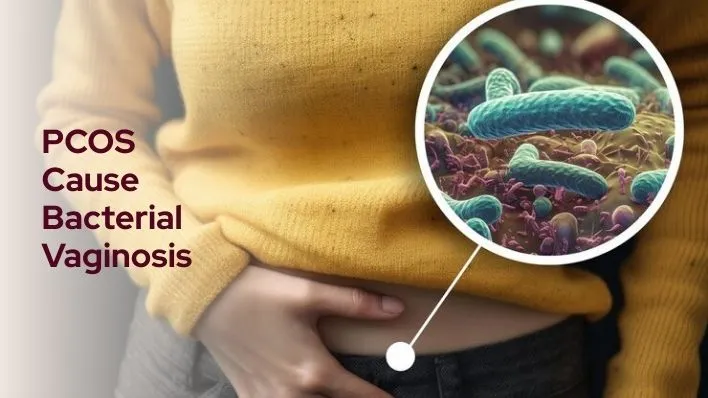
Think of the vagina as an ecosystem; ideally, it is dominated by protective bacteria called Lactobacilli. These Lactobacilli produce lactic acid, which keeps the vaginal pH low (acidic), naturally fighting off bad bacteria.
When the beneficial bacteria are outnumbered, the pH rises, and harmful bacteria take over. This is BV. For women who come to our clinic—one of the cosmetic gynecology and wellness hospitals in Mumbai—it is clear that the hormonal fluctuations inherent to PCOS create a perfect storm for this imbalance to occur repeatedly.
How exactly does PCOS affect the vaginal environment?
The relationship between PCOS and chronic BV is rooted in two primary aspects of the syndrome: insulin resistance and androgen excess.
- Insulin Resistance:
A significant number of women with PCOS have insulin resistance, meaning their body’s cells don’t respond well to insulin, leading to higher levels of glucose (sugar) in the bloodstream.
While the direct link is complex, high blood sugar levels can influence the composition of mucus secretions and tissue health, potentially creating a more hospitable environment for non-Lactobacilli bacteria to thrive. Blood sugar management is therefore essential for vaginal health in PCOS. - Hormonal Shift (Androgen Excess):
PCOS is often characterized by higher-than-normal levels of androgens (male hormones). This hormonal milieu is thought to directly affect the vaginal microbiome, which is the community of microorganisms living in the vagina.
Changes in hormone levels can alter the thickness of the vaginal lining and the nutrients available to the bacteria. In essence, the environment becomes less acidic and more favorable for the anaerobic bacteria that cause BV, making hormonal imbalance and vaginal infections a common pairing.Understanding this mechanism is the first step toward effective, long-term relief for PCOS patients facing recurrent BV.
What are the key signs of Bacterial Vaginosis to watch for?
It is vital to recognize the symptoms early to seek gynaecology consultation immediately. The tell-tale sign of BV is a thin, watery, grayish-white or yellow vaginal discharge that is often accompanied by a distinctive fishy odor.
This odor is usually more pronounced after intercourse or during menstruation. Other symptoms can include mild itching or burning, but for many women, the odor and discharge are the primary complaints.
It’s important not to self-diagnose, as these symptoms can overlap with other conditions like a yeast infection (which typically causes thick, “cottage-cheese” discharge and intense itching).
If you notice any of these changes, please seek professional advice from an intimate health specialist in mumbai rather than trying over-the-counter remedies that might disrupt your natural balance further.
How is BV accurately diagnosed and its severity assessed?
Diagnosis is straightforward and crucial for proper treatment. When you visit a specialist, the doctor will usually perform a pelvic exam and assess your symptoms based on the Amsel criteria. Key steps include:
- The “Whiff Test”: Applying a small amount of potassium hydroxide to a sample of the discharge, which releases a strong fishy odor if BV is present.
- Vaginal pH Testing: Checking the acidity. A pH greater than 4.5 strongly suggests BV.
- Microscopic Examination:
Looking at a sample of the discharge under a microscope to confirm the presence of Clue Cells (vaginal cells coated with bacteria) and to assess the ratio of good bacteria (Lactobacilli) to bad bacteria.
This examination helps us determine the severity and guides the overall treatment plan. For women with chronic, recurring BV, we often look beyond the infection itself to fully understand the underlying hormonal drivers.
What are the best treatment paths for BV in PCOS patients?
Treating BV is a two-pronged approach for my PCOS patients. First, we must clear the active infection, and second, we must address the PCOS symptoms that made you vulnerable in the first place.
Acute Treatment: BV is typically treated with prescription antibiotics, such as Metronidazole (oral pills or vaginal gel) or Clindamycin (cream). It is crucial to finish the entire course of medication, even if symptoms clear up quickly, to prevent recurrence.
Long-term Prevention/PCOS Management: Because of the hormonal factor, we often look at managing the underlying insulin resistance and androgen levels.
This might involve dietary changes (low-glycemic index diets to stabilize blood sugar), exercise, and potentially medications like Metformin (for insulin sensitivity) or oral contraceptives (to regulate hormones).
Incorporating probiotic supplements, specifically those containing targeted Lactobacilli strains, can help restore and maintain the healthy vaginal flora.
For those seeking comprehensive care, our facility offers advanced cosmetic gynecology treatment, ensuring all aspects of your health are addressed, from hormonal balance to intimate aesthetic wellness.
How can I manage the emotional toll and prevent BV recurrence?
Living with chronic or recurrent Bacterial Vaginosis is not just a physical problem; it can severely impact a woman’s confidence, intimate life, and mental well-being.
Feelings of embarrassment or frustration are completely valid. Open communication with your partner and your doctor is the best way to manage this.
For prevention, remember the basics:
- Avoid Douching: This disrupts the natural pH balance dramatically.
- Proper Hygiene: Cleanse from front to back. Use mild, unscented soaps only externally.
- Breathable Fabrics: Choose cotton underwear and avoid tight-fitting clothing.
- Manage PCOS: Stick to your doctor-prescribed plan for diet, exercise, and medication to keep hormonal drivers in check.
This holistic approach is vital for maintaining vaginal pH balance and breaking the cycle of recurrence.
Beyond BV, what other infections should PCOS patients know about?
Women with PCOS are also at a slightly higher risk for recurrent yeast infections (Candidiasis). While BV is caused by bacteria and thrives in an environment with elevated pH, yeast infections are caused by a fungus (Candida) and can sometimes be linked to high blood sugar levels.
Given the hormonal backdrop of PCOS, it’s simply a reminder that vigilance is key. If you experience persistent or unusual symptoms, always consult a specialist.
Our goal is always to empower you with knowledge so you can proactively manage your intimate health and overall reproductive health.
Frequently Asked Questions (FAQs)
1. Does taking hormonal birth control for PCOS help prevent BV?
Hormonal birth control can sometimes help by regulating the menstrual cycle and stabilizing hormonal fluctuations, but its effect on BV is variable and not guaranteed. It may help some women by improving the overall hormonal environment, but lifestyle management is usually still required.
2. Can insulin-sensitizing drugs like Metformin improve my recurrent BV?
Since insulin resistance is a key driver of PCOS symptoms, Metformin may indirectly help improve BV by stabilizing blood sugar and, in turn, creating a less hospitable environment for harmful bacteria. This is often part of a long-term preventive strategy.
3. Is BV considered a Sexually Transmitted Infection (STI)?
No, BV is not technically classified as an STI because it can occur in women who are not sexually active. However, it is more common in women who are sexually active, and certain sexual practices can increase the risk of recurrence.
4. How soon after antibiotic treatment can I resume sexual activity? I
It is generally recommended to wait until the antibiotic treatment course is completed and all symptoms have fully resolved. If a vaginal gel or cream was used, consult your doctor about the recommended waiting period (often 5-7 days) to ensure the medication has had time to work effectively.
5. What is the difference between BV and aerobic vaginitis?
While both are caused by a microbial imbalance, BV involves an overgrowth of anaerobic bacteria, leading to a high pH and a “fishy” odor. Aerobic vaginitis involves an overgrowth of common gut bacteria (like E. coli or Streptococcus species), often causing more significant inflammation, burning, and a higher Nugent score.
Conclusion: Your Path to Lasting Intimate Health
The connection between PCOS and Bacterial Vaginosis is clear, driven by the hormonal chaos and metabolic shifts that characterize the syndrome. But understanding this link is your power.
As Dr. Jay Mehta, Chief Gynec Surgeon in Mumbai, I want you to know that recurrent BV is not something you simply have to endure.
By treating the infection, addressing the underlying PCOS drivers, and focusing on restoring the natural balance of your vaginal microbiome, we can help you find lasting relief.
Related Blogs

When Vaginal Itching Needs a Doctor’s Visit?
Itching isn’t always an infection. Mumbai’s Dr. Jay Mehta explains the real causes, and when self-treatment isn’t the right approach.

Surgical Treatment for Perineal Endometriosis: Wide Excision Explained
A painful lump that worsens with your period isn’t ordinary scar pain. Mumbai’s Dr. Jay Mehta explains diagnosis and when excision is needed.

Best Gynecologist for Recurrent Genital Infections in Mumbai
Recurring symptoms aren’t always the same infection. Mumbai’s Dr. Jay Mehta explains why, and what actually needs re-evaluating.
Can Perineal Endometriosis Come Back After Surgery?
Yes, but the odds favour most patients. Mumbai’s Dr. Jay Mehta explains what actually drives recurrence, and how to lower your risk.

Does Perineal Endometriosis Always Need Surgery?
No, not always. Mumbai’s Dr. Jay Mehta explains when hormonal therapy can work, and when surgery becomes the better option.

How to Find a Menopause Specialist Who Understands GSM Treatments
Look beyond hot flashes. Mumbai’s Dr. Jay Mehta explains what a good GSM consultation should cover, and the questions worth asking.

Can Vaginal Itching Without Discharge Really Be a Skin Condition?
Vaginal itching without discharge can be caused by skin irritation, dryness, eczema or other conditions. Know the causes, treatment and warning signs.

Why Do Postmenopausal Women Experience Vaginal Itching Without Infection?
Yes, declining estrogen alone can cause itching after menopause. Mumbai’s Dr. Jay Mehta explains why, and what actually helps.

Is Vaginal Itching After Sex Always Due to an Infection?
No, it’s not always an infection. Mumbai’s Dr. Jay Mehta explains how friction, allergies and pH shifts can all cause itching too.

Can Laundry Detergent Cause Chronic Vaginal Itching?
Yes, detergent is an overlooked cause of vaginal itching. Mumbai’s Dr. Jay Mehta explains why it’s mistaken for infection, and the fix.
Book Appointment
