


Can a Pelvic Organ Prolapse Cause Abdominal Bloating?
If you’ve been dealing with persistent abdominal bloating and wondering whether it might be linked to a pelvic organ prolapse (POP), you’re not alone.
Many women face these symptoms, but few feel comfortable discussing them, even with a doctor. I want to reassure you—you’re not the first to experience this, and there are science-backed solutions that can help.
POP is a condition that we as doctors in Mumbai hospitals for cosmetic gynecology commonly see, and I’m here to help simplify the facts so you can take steps toward better health.
Pelvic organ prolapse occurs when one or more pelvic organs—like the uterus, bladder, or rectum—drops out of its usual position.
It can cause various uncomfortable symptoms, abdominal bloating sometimes included. Together, we’ll explore the why, how, and what next, in a clear and compassionate way.
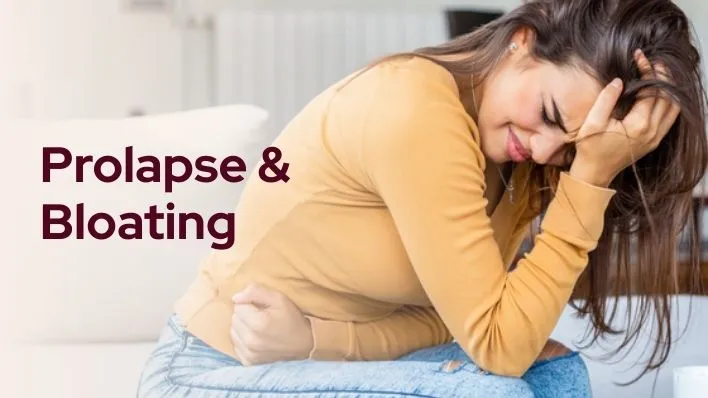
Key Takeaways
-
Pelvic organ prolapse (POP) can contribute to abdominal bloating, especially when organs press against the bowel or abdominal wall.
-
Bloating linked to POP often feels like persistent fullness or pressure, not typical gas-related bloating.
-
Rectocele and uterine prolapse are more commonly associated with digestive issues, constipation, and gas retention.
-
POP-related bloating is usually accompanied by other symptoms such as pelvic heaviness, vaginal bulge, urinary issues, or bowel difficulty.
-
Early diagnosis by an experienced gynecologist helps rule out digestive or hormonal causes and prevents symptom progression.
-
Treatment options—from pelvic floor exercises to pessaries and surgery—can significantly reduce bloating and improve quality of life.

DR JAY MEHTA
What Is Pelvic Organ Prolapse?
Picture the pelvic floor as a hammock made of muscles and ligaments meant to hold your internal organs in place.
When this support system weakens or tears (something very common after childbirth, menopause, or heavy physical stress), one or more organs may shift downward.
The most common types of pelvic organ prolapse include:
- Uterine prolapse: This occurs when the uterus shifts downward into the vaginal canal, often due to weakened pelvic floor muscles or connective tissue. It can cause discomfort, a feeling of heaviness in the pelvis, or difficulty with bladder and bowel functions.
- Bladder prolapse or cystocele: This happens when the bladder drops and bulges into the front wall of the vagina. It may result from childbirth, aging, or increased pressure on the pelvic floor, leading to symptoms like urinary incontinence, frequent urination, or a feeling of fullness in the pelvic area.
- Rectal prolapse or rectocele: This condition takes place when the rectum pushes against and bulges through the rear portion of the vaginal wall. It may be caused by chronic constipation, heavy lifting, or weakened pelvic support structures, resulting in symptoms like difficulty with bowel movements or a noticeable vaginal bulge.
While many women with POP don’t notice symptoms in the early phase, others do report a feeling of heaviness in the pelvic area, frequent urination, and sometimes, bloating.
The good news? Top medical expertise is widely accessible, especially with specialized
Can POP Be the Cause of Abdominal Bloating?
-
- Pressure from Prolapsed Organs
When your pelvic organs shift, they may press against each other or your abdominal wall. This pressure can feel like bloating or fullness, making your abdomen feel distended. Unlike gas-related bloating, this feeling is often physical, due to the bulge.
-
- Digestive Challenges
POP—especially rectal prolapse—can lead to issues like constipation or gas retention. When bowel movements slow down and gas builds up, it’s no surprise the result involves abdominal discomfort or bloating.
-
- Weak Pelvic Floor and Gas Accumulation
A weak pelvic floor can interfere with the way your abdominal organs work together, leading to higher likelihood of digestive disruptions.
It is worth noting, however, that abdominal bloating can also stem from other unrelated conditions like irritable bowel syndrome or hormonal shifts. That’s why working with an aesthetic gynecologist in Mumbai who combines compassionate care with advanced diagnostics is critical in pinpointing the root cause.
TALK TO US
GET IN TOUCH ON
Recognising Other Symptoms and Seeking Diagnosis of
Pelvic Organ Prolapse Treatment
Abdominal bloating is rarely the only symptom of pelvic organ prolapse. Here are other signs to keep an eye on:
-
- Feeling like something is “falling out” or bulging in your vagina.
- Pain or discomfort during sexual activity.
- Frequent urination or difficulty fully emptying your bladder.
- Constipation that requires you to “push” against your vagina to move your bowels.
If you’re experiencing these or feel uncertain, don’t wait. The Mumbai hospitals for cosmetic gynecology are equipped with specialists who can gently and thoroughly assess your condition. Diagnosis typically involves a pelvic exam and sometimes imaging (like ultrasound) to confirm the type and severity of prolapse.
Early intervention is key to avoiding long-term discomfort or complications.
Treatment Options for Prolapse and Related Bloating
The approach to managing prolapse and bloating varies depending on your symptoms and the severity of the condition. Here’s how we typically address it:
Lifestyle Adjustments
Small changes can make a world of difference:
- Pelvic floor exercises (think Kegels): These are simple but powerful exercises designed to strengthen the muscles that support the vagina, rectum, and bladder.
By contracting and relaxing these muscles regularly, you can improve bladder control, enhance sexual health, and reduce the risk of pelvic floor disorders. They’re easy to do anywhere and take just a few minutes a day.
- Diet optimisation for smooth digestion: Maintaining a healthy diet is key to preventing digestive discomfort. Incorporate plenty of high-fibre foods like fruits, vegetables, and whole grains to keep your digestive system moving smoothly.
Stay hydrated by drinking plenty of water throughout the day, and avoid common bloating triggers such as carbonated drinks, processed foods, and excessive salt intake. These adjustments can make a big difference in overall gut health and comfort.
Most importantly, avoiding heavy lifting or any strenuous activity that puts additional pressure on your pelvic floor is vital.
Medical Interventions
For moderate to severe cases:
-
- Vaginal pessaries are small, supportive devices inserted into the vagina that help hold your organs in place. Think of it as a brace for your pelvic floor—it’s quick, painless, and often effective.
- Surgical solutions, like repairing the prolapsed organ or opting for pelvic mesh, offer more permanent results. This is usually reserved for women whose daily lives are significantly impacted.
- Vaginal pessaries are small, supportive devices inserted into the vagina that help hold your organs in place. Think of it as a brace for your pelvic floor—it’s quick, painless, and often effective.
Mumbai is home to leading experts in this field, and choosing the best cosmetic gynecologist in Mumbai ensures your treatment is both technically excellent and emotionally supportive.
Post-Menopausal Support
For women experiencing prolapse due to menopause-related hormone depletion, estrogen hormone therapy can help improve muscle tone and elasticity.
If ongoing bloating or pelvic discomfort has started affecting your comfort or confidence, it may be time to seek expert evaluation. You can call or book an appointment at Ahalya Cosmetic Gynecology, Mumbai, to consult with Dr. Jay Mehta for a thorough assessment and personalised prolapse care.
Living with Prolapse – Emotional and Physical Support
Seeking help from an empathetic care provider—someone who understands your experiences—is the foundation of healing. If you’ve been delaying consultation, think of specialists like an aesthetic gynecologist in Mumbai as your trusted partner, not just a doctor.
Most patients feel tremendous relief, both physically and emotionally, after starting treatment.
Frequently Asked Questions (FAQs)
1. Can pelvic organ prolapse cause weight gain?
2. Is surgery always necessary for POP?
3. What foods worsen bloating with POP?
4. Can walking worsen prolapse?
5. How long after childbirth can POP symptoms appear?
Time to Take Action
If you’ve been battling abdominal bloating or suspect pelvic organ prolapse, it’s time to take charge of your health. Book a consultation with a trusted gynecologist and start your path to relief. Whether it’s a lifestyle adjustment or medical intervention, experts at Mumbai hospitals for cosmetic gynecology are here to guide you.
Don’t wait—the sooner you tackle your symptoms, the sooner you can return to living comfortably and confidently. Reach out today to connect with cosmetic gynecologist in Mumbai and take the first step toward feeling like yourself again.
Your well-being, both physical and emotional, matters deeply. You’re not alone in this—we’re here to help.
Related Blogs
When Vaginal Itching Needs a Doctor’s Visit?
Itching isn’t always an infection. Mumbai’s Dr. Jay Mehta explains the real causes, and when self-treatment isn’t the right approach.
Surgical Treatment for Perineal Endometriosis: Wide Excision Explained
A painful lump that worsens with your period isn’t ordinary scar pain. Mumbai’s Dr. Jay Mehta explains diagnosis and when excision is needed.

Best Gynecologist for Recurrent Genital Infections in Mumbai
Recurring symptoms aren’t always the same infection. Mumbai’s Dr. Jay Mehta explains why, and what actually needs re-evaluating.
Can Perineal Endometriosis Come Back After Surgery?
Yes, but the odds favour most patients. Mumbai’s Dr. Jay Mehta explains what actually drives recurrence, and how to lower your risk.
Does Perineal Endometriosis Always Need Surgery?
No, not always. Mumbai’s Dr. Jay Mehta explains when hormonal therapy can work, and when surgery becomes the better option.
How to Find a Menopause Specialist Who Understands GSM Treatments
Look beyond hot flashes. Mumbai’s Dr. Jay Mehta explains what a good GSM consultation should cover, and the questions worth asking.
Can Vaginal Itching Without Discharge Really Be a Skin Condition?
Vaginal itching without discharge can be caused by skin irritation, dryness, eczema or other conditions. Know the causes, treatment and warning signs.
Why Do Postmenopausal Women Experience Vaginal Itching Without Infection?
Yes, declining estrogen alone can cause itching after menopause. Mumbai’s Dr. Jay Mehta explains why, and what actually helps.
Is Vaginal Itching After Sex Always Due to an Infection?
No, it’s not always an infection. Mumbai’s Dr. Jay Mehta explains how friction, allergies and pH shifts can all cause itching too.

Can Laundry Detergent Cause Chronic Vaginal Itching?
Yes, detergent is an overlooked cause of vaginal itching. Mumbai’s Dr. Jay Mehta explains why it’s mistaken for infection, and the fix.
Book Appointment
