


How to Stop Obstetric Fistula from Coming Back?
In my maternal health practice, seeing women regain health and confidence after successful obstetric fistula repair is profoundly rewarding. This restoration is life-changing. Understandably, many patients then ask, “Doctor, could this happen to me again?”
It’s a critical question. Obstetric fistula profoundly impacts a woman’s life — physically, emotionally, and socially. Preventing recurrence is as crucial as the initial repair. As Dr. Jay Mehta, I’ll share how we ensure lasting healing.
As a Mumbai-based cosmetic gynecology expert, I collaborate with multidisciplinary teams for comprehensive post-fistula repair care, addressing both medical and aesthetic needs. Through advanced gynecological surgery and holistic support, we empower women to move forward confidently.

DR JAY MEHTA
Understanding the Root Causes of Obstetric Fistula
First, let’s clarify what leads to this condition. An obstetric fistula is a hole that develops between the vagina and either the bladder or rectum. It most often results from prolonged, difficult labor where, without timely medical intervention, the baby cannot progress through the birth canal.
The ongoing pressure blocks blood flow to the pelvic tissues, causing those tissues to die and creating a hole (the fistula). This leads to continuous leakage of urine or feces.
Obstetric fistula is more prevalent in areas where access to emergency maternity services, like a Cesarean section (C-section), is limited. After a repair, the tissues are more fragile. If a future birth is not managed carefully, especially with a vaginal delivery, the risk of repeat injury is high.
How, then, do we prevent another obstetric fistula—especially in regions where challenges remain? Prevention is possible through thoughtful medical planning, robust community engagement, and empowering women with the right support and knowledge.
If you Looking for obstetric fistula repair treatment in Mumbai, consult Dr. Jay Mehta and the team at Ahalya Cosmetic Gynecology. We offer compassionate, expert care to help women heal fully and prevent recurrence. Book your consultation today and take the next step toward lasting recovery and confidence.
Planned Pregnancies for Safer Outcomes
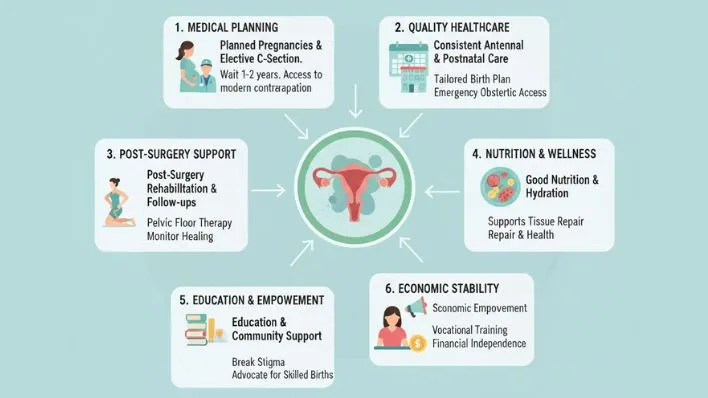
Once the initial surgical repair is healed, prevention starts right away. The most critical measure is ensuring that any future delivery is via an elective Cesarean section.
For many women, this step is medically necessary, as it protects the repaired tissues from the strain of labor. With this proactive approach, the risk of reopening the fistula is greatly reduced.
It’s important to give your body time to heal—ideally, waiting at least one to two years before planning another pregnancy. This is where family planning comes in.
Access to modern contraception enables women and their partners to thoughtfully choose when to grow their family, making sure everyone is ready physically, emotionally, and financially. Planning pregnancies gives you the best possible chances for continued health and well-being.
If you are seeking Mumbai hospitals for cosmetic gynecology – Ahalya cosmetic gynecology hospital , consider facilities with a reputation for multidisciplinary care. A supportive hospital environment can make all the difference for women needing specialized procedures and ongoing treatment, especially after an experience like obstetric fistula.
TALK TO US
GET IN TOUCH ON
The Importance of Quality Antenatal and Postnatal Care
Consistent, high-quality medical care before and after your baby is born makes all the difference. If you’ve had a fistula repair and become pregnant, attending every antenatal appointment is essential.
These visits help your healthcare provider keep a close eye on your health and your baby’s development, and allow time to craft a safe delivery plan.
Together, we’ll develop a tailored birth plan—picking the best hospital with skilled surgeons for your C-section, working out transportation, and preparing financially.
Knowing how to access emergency obstetric care in your area could be lifesaving. Community health workers and maternal health advocates can also help guide you through this process.
After the birth, postnatal care is just as crucial. We want to make sure you’re healing well and that your surgical site is intact. These follow-up visits give us a chance to revisit family planning and set you up for ongoing health and success.
For more detailed insights on managing and preventing complications, read our related guide: Best Treatment for Fistula: How to Heal and Prevent Recurrence.
The Power of Education and Community Support
While excellent healthcare is vital, true prevention also depends on social and cultural change. Barriers like poverty, limited education, and lack of autonomy all increase the risk of repeated fistula.
Education transforms lives. When families and community leaders understand the causes of fistula and recognize the value of skilled birth attendance, they become advocates for women’s health.
I’ve seen remarkable change where survivors themselves share their journeys—reducing stigma, breaking the silence, and encouraging others to seek timely care.
Economic empowerment makes a huge difference, too. When women have financial independence and education, they can make decisions, access services, and get help quickly.
Vocational training and microfinance programs—offered through trusted clinics or organizations—not only provide skills but also help rebuild confidence and self-sufficiency.
Frequently Asked Questions (FAQs)
1. 1. What are the warning signs of an obstetric fistula forming after childbirth?
Signs may include constant leakage of urine or feces through the vagina, unpleasant odor, and sometimes irritation or sores. If you experience these symptoms, seek medical help immediately.
2. 2. Is there a connection between nutrition and fistula prevention?
Yes, proper nutrition supports healthy tissue repair and overall pelvic health, reducing the risk of complications both before and after corrective surgery.
3. 3. Can obstetric fistulas recur even after many years?
While recurrence is uncommon if proper precautionary measures are taken, lifelong monitoring by a healthcare provider is recommended to detect any changes early.
4. 4. Are there non-surgical ways to treat or prevent obstetric fistulas?
Small or early fistulas may heal with catheter drainage and conservative management, but surgical intervention is generally necessary for established cases. Prevention focuses on skilled childbirth and access to appropriate medical care.
5. How can partners and family members support fistula prevention and recovery?
Support from loved ones makes a big difference. Encouragement to attend regular check-ups, help in accessing skilled care, and emotional backing during recovery all promote healing and prevention.
Conclusion
Preventing a repeat obstetric fistula is not just a medical goal—it’s a holistic commitment from individuals, families, healthcare teams, and the larger community. It requires planning for safe, scheduled C-sections, comprehensive family planning, and ongoing healthcare.
To be effective, prevention also demands supportive communities that break down social and economic barriers, empowering every woman to make informed decisions about her health and future.
If you or someone you care about has undergone fistula repair, know that a healthy, fulfilling, and dignified life is possible—and you deserve nothing less.
Are you seeking expert guidance on obstetric fistula, family planning options, or personalized birth planning in India or beyond? Reach out to Ahalya Cosmetic Gynecology in Mumbai to schedule a consultation with Dr. Jay Mehta and our caring, knowledgeable team.
Related Blogs

When Vaginal Itching Needs a Doctor’s Visit?
Itching isn’t always an infection. Mumbai’s Dr. Jay Mehta explains the real causes, and when self-treatment isn’t the right approach.

Surgical Treatment for Perineal Endometriosis: Wide Excision Explained
A painful lump that worsens with your period isn’t ordinary scar pain. Mumbai’s Dr. Jay Mehta explains diagnosis and when excision is needed.

Best Gynecologist for Recurrent Genital Infections in Mumbai
Recurring symptoms aren’t always the same infection. Mumbai’s Dr. Jay Mehta explains why, and what actually needs re-evaluating.
Can Perineal Endometriosis Come Back After Surgery?
Yes, but the odds favour most patients. Mumbai’s Dr. Jay Mehta explains what actually drives recurrence, and how to lower your risk.
Does Perineal Endometriosis Always Need Surgery?
No, not always. Mumbai’s Dr. Jay Mehta explains when hormonal therapy can work, and when surgery becomes the better option.
How to Find a Menopause Specialist Who Understands GSM Treatments
Look beyond hot flashes. Mumbai’s Dr. Jay Mehta explains what a good GSM consultation should cover, and the questions worth asking.

Can Vaginal Itching Without Discharge Really Be a Skin Condition?
Vaginal itching without discharge can be caused by skin irritation, dryness, eczema or other conditions. Know the causes, treatment and warning signs.

Why Do Postmenopausal Women Experience Vaginal Itching Without Infection?
Yes, declining estrogen alone can cause itching after menopause. Mumbai’s Dr. Jay Mehta explains why, and what actually helps.

Is Vaginal Itching After Sex Always Due to an Infection?
No, it’s not always an infection. Mumbai’s Dr. Jay Mehta explains how friction, allergies and pH shifts can all cause itching too.

Can Laundry Detergent Cause Chronic Vaginal Itching?
Yes, detergent is an overlooked cause of vaginal itching. Mumbai’s Dr. Jay Mehta explains why it’s mistaken for infection, and the fix.
Book Appointment
