


Difference between Vaginal Tightening and Vaginoplasty
If you’ve ever wondered whether you need “vaginal tightening” or a “vaginoplasty,” you’re not alone—this is a common question I hear in the clinic. These terms are often used interchangeably online, which can create a lot of confusion.
In this guide, I’ll break down the differences between the two in clear, straightforward terms. I’ll explain when each option might be appropriate, along with details on recovery, risks, and expected outcomes, so you can make an informed and confident decision.
Whether you’re consulting the leading cosmetic gynecologist in Mumbai or exploring cosmetic gynecology services at Mumbai hospitals, this guide will help you ask the right questions and navigate your options effectively.

DR JAY MEHTA
What these procedures actually mean?
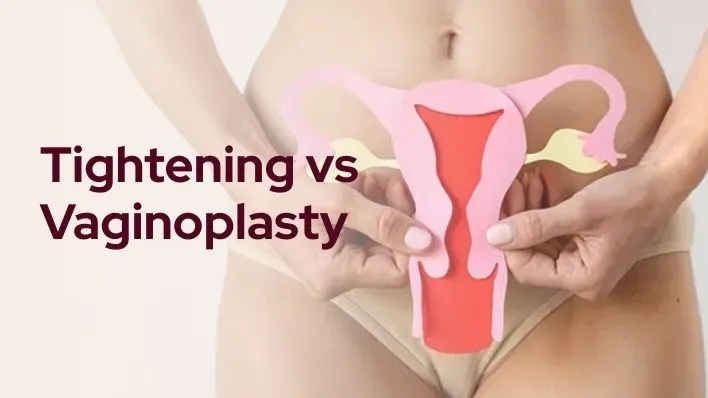
Vaginal tightening is an umbrella term. Many clinics use it to describe non-surgical energy-based treatments (for example, laser or radiofrequency devices) designed to improve vaginal tissue tone and mild laxity. Some places also use “tightening” to describe minor surgical tightening at the vaginal opening. In short, it’s mostly cosmetic and focused on sensation and support.
Vaginoplasty is surgery. It repairs, narrows, or reconstructs the vaginal canal and opening by removing excess mucosa (the inner lining) and tightening the underlying muscles with sutures. We use it to address laxity after childbirth, repair birth injuries, correct congenital anomalies, or reconstruct after cancer treatment or trauma.
In gender-affirming care, vaginoplasty also refers to creating a vagina as part of transition surgery. In clinical terms, vaginoplasty is a reconstructive procedure with functional goals.
Put simply: tightening often means non-surgical enhancement; vaginoplasty is surgical repair or reconstruction.
Who may benefit—and who should wait?
When I Recommend Non-Surgical Vaginal Tightening:
-
- For mild to moderate vaginal laxity caused by childbirth or aging, if you’re seeking enhanced comfort and sexual confidence without undergoing surgery.
- To address mild symptoms of stress urinary incontinence or vaginal dryness, particularly when combined with pelvic floor exercises.
- If you prefer a minimally invasive option with little downtime and are open to multiple sessions and ongoing maintenance for optimal results. Non-surgical options are commonly available at the best vaginal tightening treatment in Mumbai, where advanced energy-based treatments are performed safely and effectively.
When I Recommend Vaginoplasty:
-
- For significant vaginal laxity that impacts sexual function, even after consistent pelvic floor physiotherapy.
- To correct noticeable gaping at the vaginal opening (introitus) or a poorly healed episiotomy or tear from childbirth.
- In cases requiring reconstruction due to cancer, radiation, trauma, or congenital conditions.
- If you understand that surgery involves a recovery period and comes with potential risks, but offers a long-term solution for your concerns.
If you plan future pregnancies, I usually advise postponing vaginoplasty until your family is complete because childbirth can reverse surgical tightening. For non-surgical tightening, you can often proceed earlier, but timing around pregnancy and breastfeeding should be discussed.
TALK TO US
GET IN TOUCH ON
How the procedures are performed?
Non-surgical tightening (energy-based vaginal rejuvenation):
We use controlled energy (CO₂ or Er:YAG lasers, or radiofrequency) to create gentle, precise heat in the vaginal lining. This stimulates collagen and elastin, the proteins that give tissues firmness and elasticity. Sessions take 15–30 minutes. Most patients need 2–4 sessions a few weeks apart. You can return to normal activity the same day, but we usually recommend avoiding intercourse and tampon use for a few days.
Vaginoplasty (surgical tightening and repair):
In theatre, we mark the posterior vaginal wall, remove a measured strip of excess mucosa, and plicate (stitch) the stretched levator ani muscles to restore support and reduce the internal diameter. We close the mucosa with dissolving stitches.
Some patients combine this with perineoplasty (reshaping the entrance), labiaplasty, or clitoral hood reduction when indicated. The procedure typically takes 60–120 minutes. Most patients go home the same day or after an overnight stay.
Safety, risks, and results—what the evidence shows
With non-surgical tightening, studies show improvements in vaginal laxity scores, lubrication, and sexual function for many women, especially after childbirth. Results tend to be modest to moderate and build over sessions. Maintenance is often needed every 12–24 months. Side effects are usually mild: temporary spotting, discharge, or irritation.
With vaginoplasty, we see more pronounced and durable improvement in tightness, support, and satisfaction when laxity is significant. As with any surgery, risks include bleeding, infection, scarring, painful intercourse (dyspareunia), and changes in sensation.
Careful patient selection, conservative tightening, and meticulous technique reduce these risks. Most patients return to desk work in 1–2 weeks and resume intercourse at 6–8 weeks if healing is smooth.
Neither procedure guarantees improved sexual satisfaction on its own. Desire, arousal, lubrication, pelvic floor function, and relationship dynamics all matter. I encourage pelvic floor physiotherapy and open communication with your partner alongside any procedure.
If you’re comparing options with an aesthetic gynecologist in Mumbai, ask specifically about training, case numbers, complication rates, and outcomes. Choosing an experienced surgeon and a centre with robust safety protocols matters more than any device brand.
Recovery: what to expect?
After Non-Surgical Tightening:
Following your procedure, you may experience mild warmth or slight cramping for up to a day. To ensure proper healing, avoid intercourse, douching, and tampon use for 3–5 days. Stay hydrated, and if recommended, apply a gentle intimate moisturizer. Be sure to adhere to your follow-up schedule for the best results.
After Vaginoplasty:
It’s normal to experience swelling, bruising, and a sensation of tightness for 1–2 weeks post-surgery. Pain relief and, in some cases, antibiotics will be prescribed to support your recovery. Keep the area clean and dry, using a peri-bottle after urination, and opt for breathable underwear to minimize irritation.
Avoid heavy lifting for two weeks, vigorous exercise for four weeks, and abstain from intercourse for 6–8 weeks. We’ll guide you through pelvic floor rehabilitation and, if needed, the gentle use of vaginal dilators to ensure healing remains as comfortable as possible.
Cost, Durability, and Selecting the Perfect Setting
Costs for these procedures depend on several factors, including your location, the surgeon’s expertise, the type of device used, and whether you choose to combine treatments. While non-surgical options might seem more affordable at first, the total cost can rival minor surgery once you factor in multiple sessions and ongoing maintenance. In contrast, vaginoplasty is a one-time expense that covers anesthesia, operating room fees, and follow-up care.
Durability:
- Non-surgical tightening: Results typically last 12–24 months, but natural ageing and hormonal changes will continue to affect outcomes.
- Vaginoplasty: Offers long-lasting results, though factors such as pregnancy, menopause, and individual connective tissue traits can impact longevity.
Choosing the Right Facility:
It’s crucial to opt for accredited centers equipped with sterile protocols, resuscitation equipment, and well-trained staff. Leading hospitals in Mumbai specializing in cosmetic gynecology offer comprehensive, multidisciplinary care. This includes anesthesia safety, postoperative support, and advanced care pathways that enhance both outcomes and patient peace of mind.
How I help patients decide?
We start with a careful history, pelvic examination, and, when helpful, validated questionnaires on sexual function and quality of life. We review non-surgical options (pelvic floor therapy, lubricants, hormones if indicated), then discuss procedural pros and cons tailored to your goals. I show before–after examples (with consent), explain likely results in simple terms, and encourage a cooling‑off period before you decide. Your body, your choice—my role is to guide, not to sell.
If you’re seeking the best cosmetic gynecologist in Mumbai, look for transparent counselling, evidence‑based recommendations, and a team that treats you with dignity and time.
Quick comparison to recap
- Goal: Tightening procedures are typically cosmetic and aimed at improving comfort and appearance, whereas vaginoplasty focuses on functional reconstruction or repair of the vaginal muscles and structure, often addressing medical or physical issues.
- Method: Tightening often involves non-invasive, energy-based treatments like radiofrequency or laser therapies, which stimulate collagen production. Vaginoplasty, on the other hand, is a surgical procedure that includes muscle plication (tightening of underlying muscles) and mucosal reduction to restore or enhance vaginal anatomy.
- Downtime: Recovery for tightening treatments is minimal, often requiring only a few hours to a couple of days before resuming daily activities. Vaginoplasty involves a longer downtime, with 1–2 weeks for light activities and 6–8 weeks recommended before resuming intercourse or strenuous activities.
- Results: Tightening treatments provide gradual improvements that often require ongoing maintenance sessions, while vaginoplasty delivers more pronounced, long-lasting results that do not typically require maintenance.
- Risks: Tightening treatments come with minimal risks, such as mild irritation or temporary discomfort. In contrast, vaginoplasty carries surgical risks like bleeding, infection, scarring, and potential dyspareunia (pain during intercourse), which should be carefully considered.
Frequently Asked Questions (FAQs)
1. Can pelvic floor exercises replace procedures?
For mild laxity, targeted pelvic floor physiotherapy can be effective, improving support, continence, and sexual function. This is often our first approach before reassessing the need for further treatment.
2. Can these options address stress urinary incontinence?
Non-surgical energy devices can help reduce mild leakage by strengthening tissues. For moderate to severe incontinence, pelvic floor therapy, pessaries, or surgical solutions like a mid-urethral sling may be required. It’s important to note that vaginoplasty alone is not intended to treat urinary incontinence.
3. Is laser tightening safe if I have an IUD?
Yes, laser treatments target the vaginal lining and do not interfere with an IUD. We take care to avoid direct contact with the strings and proceed only after a routine check-up to ensure safety.
4. Can vaginoplasty and labiaplasty be performed together?
Yes, combining these procedures is possible when appropriate. Doing so can minimize the number of anesthesia sessions and streamline recovery. However, we plan conservatively to avoid over-tightening and ensure an optimal outcome.
5. What if I’m post-menopausal and experience significant dryness?
For genitourinary syndrome of menopause, initial treatment often includes local estrogen or non-hormonal moisturizers. If symptoms persist, we may explore energy-based therapies or surgical options for relief.
Conclusion
Vaginal tightening and vaginoplasty serve different purposes—tightening is usually a non-surgical, cosmetic option for mild laxity, while vaginoplasty is a surgical repair or reconstruction for more significant concerns.
The right choice depends on your goals, symptoms, and stage of life. Always consult an experienced cosmetic gynecologist in mumbai to understand risks, recovery, and expected outcomes before deciding.
Related Blogs

When Vaginal Itching Needs a Doctor’s Visit?
Itching isn’t always an infection. Mumbai’s Dr. Jay Mehta explains the real causes, and when self-treatment isn’t the right approach.
Surgical Treatment for Perineal Endometriosis: Wide Excision Explained
A painful lump that worsens with your period isn’t ordinary scar pain. Mumbai’s Dr. Jay Mehta explains diagnosis and when excision is needed.

Best Gynecologist for Recurrent Genital Infections in Mumbai
Recurring symptoms aren’t always the same infection. Mumbai’s Dr. Jay Mehta explains why, and what actually needs re-evaluating.
Can Perineal Endometriosis Come Back After Surgery?
Yes, but the odds favour most patients. Mumbai’s Dr. Jay Mehta explains what actually drives recurrence, and how to lower your risk.
Does Perineal Endometriosis Always Need Surgery?
No, not always. Mumbai’s Dr. Jay Mehta explains when hormonal therapy can work, and when surgery becomes the better option.
How to Find a Menopause Specialist Who Understands GSM Treatments
Look beyond hot flashes. Mumbai’s Dr. Jay Mehta explains what a good GSM consultation should cover, and the questions worth asking.

Can Vaginal Itching Without Discharge Really Be a Skin Condition?
Vaginal itching without discharge can be caused by skin irritation, dryness, eczema or other conditions. Know the causes, treatment and warning signs.

Why Do Postmenopausal Women Experience Vaginal Itching Without Infection?
Yes, declining estrogen alone can cause itching after menopause. Mumbai’s Dr. Jay Mehta explains why, and what actually helps.

Is Vaginal Itching After Sex Always Due to an Infection?
No, it’s not always an infection. Mumbai’s Dr. Jay Mehta explains how friction, allergies and pH shifts can all cause itching too.

Can Laundry Detergent Cause Chronic Vaginal Itching?
Yes, detergent is an overlooked cause of vaginal itching. Mumbai’s Dr. Jay Mehta explains why it’s mistaken for infection, and the fix.
Book Appointment
