


Can a Fistula Affect Your Pregnancy Journey?
Starting or growing your family is a deeply personal and exciting time. But if you have experienced a fistula, you might feel a mix of hope and anxiety about what this means for your pregnancy journey. It’s completely understandable to have questions and concerns. Know that you are not on this path alone, and many women who have faced similar challenges have gone on to have healthy pregnancies and build the families they dreamed of.
This guide is here to offer clear, compassionate information. We will explore what a fistula is, how it can influence your ability to conceive and carry a baby, and the positive steps you can take toward a healthy future. With modern medicine and supportive care, a past or present fistula does not have to be the end of your motherhood story.
Let’s walk through this together, empowering you with the knowledge to make confident decisions for your health and family.
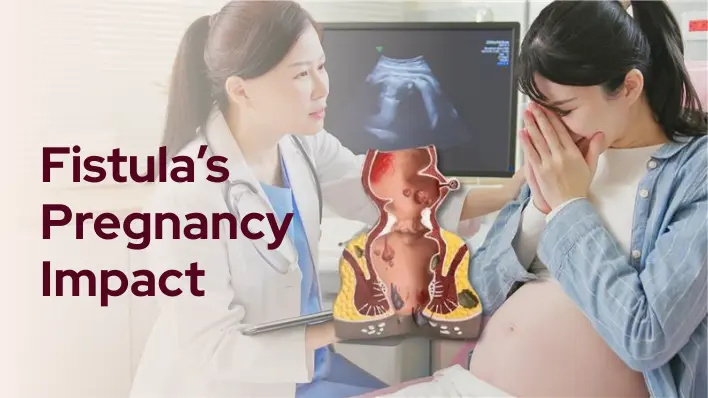

DR JAY MEHTA
What Exactly Is a Fistula?
Let’s begin with a simple explanation. A fistula is an abnormal tunnel-like connection that forms between two organs in the body that aren’t meant to be linked. In the context of women’s health, this often involves the reproductive and urinary or digestive tracts. Understanding the type of fistula is the first step toward understanding its impact.
⇒ Common Types of Vaginal Fistulas
The two most common types you may hear about are:
-
- Vesicovaginal Fistula (VVF): This is an opening between the vagina and the bladder. Its primary symptom is the uncontrollable and continuous leakage of urine through the vagina, a condition known as urinary incontinence.
- Rectovaginal Fistula (RVF): This is a connection between the vagina and the rectum. It can cause gas, liquid, or solid stool to pass through the vagina, leading to hygiene challenges and significant distress.
- Vesicovaginal Fistula (VVF): This is an opening between the vagina and the bladder. Its primary symptom is the uncontrollable and continuous leakage of urine through the vagina, a condition known as urinary incontinence.
Both conditions can have a profound emotional and social impact. The loss of bodily control can lead to feelings of shame, isolation, and anxiety, making it difficult to participate in daily life.
⇒ What Causes a Fistula?
Globally, the most frequent cause of obstetric fistula (a fistula related to childbirth) is prolonged, obstructed labour. When a woman endures labour for many days without access to emergency medical care, such as a Caesarean section (C-section), the constant pressure from the baby’s head can damage the soft tissues of the pelvis. This damage can lead to a hole forming between the vagina and the bladder or rectum.
However, fistulas can also develop for other reasons. These include:
-
- Complications from pelvic surgeries, such as a hysterectomy.
- Injuries sustained during childbirth, even with medical supervision.
- Infections, such as tuberculosis.
- Chronic inflammatory conditions like Crohn’s disease.
- Radiation therapy for pelvic cancers.
Recognising the cause is crucial because it helps doctors create the most effective treatment and recovery plan for you.
How a Fistula Can Impact Your Pregnancy Journey
If you are living with a fistula or have recovered from one, wondering about its effect on fertility and pregnancy is a natural and important concern. Let’s address these questions directly.
⇒ Can a Fistula Affect My Ability to Get Pregnant?
A fistula itself doesn’t always prevent conception, but it can create challenges. The presence of an active fistula can lead to chronic inflammation and recurring infections in the reproductive tract. This environment may make it more difficult for a fertilised egg to implant in the uterus. Scar tissue from the fistula or previous surgeries can also sometimes interfere with the normal function of your reproductive organs.
However, this is not a universal rule. Many women with a history of fistula conceive without issues. The key is to have a thorough medical evaluation to understand your specific situation. A specialist can assess your reproductive health and provide personalised advice.
In some cases, women also explore advanced options such as cosmetic gynecology treatment Mumbai, especially when surgery or scar-related concerns are involved, to restore both function and confidence in their reproductive health.
⇒ Risks During Pregnancy with an Unrepaired Fistula
Becoming pregnant while having an untreated fistula poses significant risks to both you and your baby. The growing uterus and baby increase pressure on the pelvic organs. This pressure can cause an existing fistula to enlarge or lead to more severe complications.
Medical evidence shows that an untreated or poorly healed fistula increases the risk of serious issues, including infections, kidney damage, preterm labour, and even stillbirth. For these reasons, healthcare professionals strongly advise against attempting to conceive before a fistula has been successfully repaired and has had adequate time to heal. Your health and safety are the top priorities.
TALK TO US
GET IN TOUCH ON
The Hopeful Path: Pregnancy After Fistula Repair
There is wonderful news: a successful fistula repair can restore not only your health and dignity but also your potential for a healthy pregnancy. With the right care, patience, and planning, motherhood is a realistic goal for many women. Many have found renewed hope at a dedicated Cosmetic Gynecology Clinic in Mumbai, where specialised care turns dreams into reality.
⇒ The Importance of Healing and Timing
The cornerstone of a safe pregnancy after fistula repair is allowing your body enough time to heal completely. Most surgeons and gynaecologists recommend waiting at least one year after a successful repair before trying to get pregnant.
This waiting period is not arbitrary; it is vital for allowing the repaired tissues to regain their strength and elasticity. Strong, healed tissue is better able to withstand the physical demands and changes that come with pregnancy.
Rushing into a pregnancy too soon after surgery can put you at risk of the repair failing or the fistula recurring. Patience during this healing phase is an investment in your future health and the health of your future baby. This period is a critical part of your journey, ensuring your body is fully prepared for the wonderful experience ahead.
⇒ Planning for a Safe Delivery
Once you become pregnant after a fistula repair, careful planning for your delivery is essential. While a vaginal birth might seem like the natural choice, it is generally not recommended for women with a history of fistula repair. The strain of labour and a vaginal delivery can put immense pressure on the repaired area, significantly increasing the risk of the fistula reopening.
To protect the surgical repair and prevent recurrence, a planned elective C-section is the safest method of delivery. This approach bypasses the pelvic floor, avoiding stress on the delicate, healed tissues.
Discussing this with your obstetrician early in your pregnancy will ensure that a clear and safe plan is in place for your delivery day. With expert care from professionals like Dr. Jay Mehta ,aesthetic gynecologist in Mumbai, you can look forward to welcoming your child into the world safely.
Navigating the Emotional Journey and Finding Support
The physical impact of a fistula is only one part of the story. The emotional and psychological toll can be just as challenging, if not more so. Women often experience feelings of deep shame, isolation, and depression. The fear of odour or leakage can make socialising feel impossible, and concerns about fertility can add another layer of anxiety.
It is vital to acknowledge that these feelings are valid and you do not have to carry this burden alone. True healing involves caring for your emotional well-being alongside your physical recovery. Many modern healthcare centres now offer holistic support that includes specialised care like Obstetric Fistula Repair in Mumbai, where both medical and emotional recovery are prioritised.
-
- Counselling and Psychological Support: Talking to a professional can help you process your emotions, develop coping strategies, and rebuild your self-esteem.
- Support Groups: Connecting with other women who have similar experiences can be incredibly powerful. Sharing stories and advice in a safe space can reduce feelings of isolation and create a sense of community.
- Reintegration Programmes: Some organisations help women reconnect with their communities and work, empowering them to reclaim their lives fully.
- Counselling and Psychological Support: Talking to a professional can help you process your emotions, develop coping strategies, and rebuild your self-esteem.
Seeking out this support is a sign of strength. Organisations like the Fistula Foundation and other local women’s health networks can be excellent resources for finding help and connecting with others on a similar path.
Your Next Step to a Healthier Future
If a fistula is impacting your life or your dream of becoming a mother, remember that expert, compassionate care is available. With timely intervention, proper healing, and specialised planning, a healthy pregnancy is well within reach for most women after a successful fistula repair.
Let your journey be guided by reliable and empathetic healthcare professionals. If you are experiencing symptoms or are hoping to conceive after a repair, the first step is to book a consultation. An open conversation with a gynaecologist who specialises in this area will provide you with a clear diagnosis and a personalised plan forward.
At a trusted Cosmetic Gynecology Clinic in Mumbai, specialists such as Dr. Jay Mehta and his team are dedicated to providing evidence-based care that empowers you. You can reclaim your health, confidence, and hope for the future. Your story can have a hopeful next chapter.
Frequently Asked Questions (FAQs)
1. Can a fistula return after a successful pregnancy and delivery?
While uncommon when care guidelines are followed, there is a small risk of recurrence, especially if a vaginal delivery is attempted. This is why a planned C-section is strongly recommended for women with a history of fistula repair. Consistent follow-up care with your doctor is also crucial.
2. Is it safe to have intercourse after fistula surgery?
Most surgeons advise waiting until you are fully healed before resuming sexual activity. This typically takes about three to six months. It is essential to get the all-clear from your doctor, as they can provide advice based on your personal healing progress.
3. Can young women or adolescents develop fistulas?
Yes, obstetric fistulas are more common in very young mothers, particularly in regions where there is limited access to emergency obstetric care. Early marriage and adolescent pregnancy increase the risk because the pelvis may not be fully developed.
4. What are the early signs that might indicate a fistula?
The most common signs are uncontrollable leakage of urine or stool from the vagina. Other symptoms can include foul-smelling vaginal discharge, frequent urinary tract infections (UTIs), and pain during intercourse. If you notice any of these symptoms, see a gynaecologist as soon as possible.
5. Are there financial aid programmes for fistula repair surgery?
Yes, many charitable organisations, government initiatives, and non-profit programmes provide financial support for fistula surgery. A knowledgeable clinic or hospital can often help guide you toward available resources and assist with the application process.
Conclusion
Living with a fistula can be an overwhelming experience, but it does not have to define your future. With dedicated support, advanced medical treatments, and the compassionate care available at leading womens health centre, you can find a path to healing and hope.
By seeking timely advice from experienced professionals, you empower yourself with the knowledge and resources needed to achieve your family goals. A healthy pregnancy after a fistula repair is possible. Your journey toward motherhood and restored confidence starts with a single, courageous step: reaching out for help.
Related Blogs

When Vaginal Itching Needs a Doctor’s Visit?
Itching isn’t always an infection. Mumbai’s Dr. Jay Mehta explains the real causes, and when self-treatment isn’t the right approach.
Surgical Treatment for Perineal Endometriosis: Wide Excision Explained
A painful lump that worsens with your period isn’t ordinary scar pain. Mumbai’s Dr. Jay Mehta explains diagnosis and when excision is needed.
Best Gynecologist for Recurrent Genital Infections in Mumbai
Recurring symptoms aren’t always the same infection. Mumbai’s Dr. Jay Mehta explains why, and what actually needs re-evaluating.
Can Perineal Endometriosis Come Back After Surgery?
Yes, but the odds favour most patients. Mumbai’s Dr. Jay Mehta explains what actually drives recurrence, and how to lower your risk.
Does Perineal Endometriosis Always Need Surgery?
No, not always. Mumbai’s Dr. Jay Mehta explains when hormonal therapy can work, and when surgery becomes the better option.
How to Find a Menopause Specialist Who Understands GSM Treatments
Look beyond hot flashes. Mumbai’s Dr. Jay Mehta explains what a good GSM consultation should cover, and the questions worth asking.

Can Vaginal Itching Without Discharge Really Be a Skin Condition?
Vaginal itching without discharge can be caused by skin irritation, dryness, eczema or other conditions. Know the causes, treatment and warning signs.

Why Do Postmenopausal Women Experience Vaginal Itching Without Infection?
Yes, declining estrogen alone can cause itching after menopause. Mumbai’s Dr. Jay Mehta explains why, and what actually helps.

Is Vaginal Itching After Sex Always Due to an Infection?
No, it’s not always an infection. Mumbai’s Dr. Jay Mehta explains how friction, allergies and pH shifts can all cause itching too.

Can Laundry Detergent Cause Chronic Vaginal Itching?
Yes, detergent is an overlooked cause of vaginal itching. Mumbai’s Dr. Jay Mehta explains why it’s mistaken for infection, and the fix.
Book Appointment
