


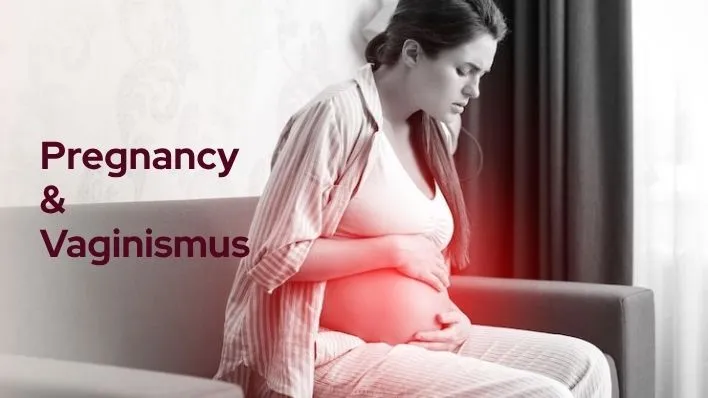
Pregnancy & Vaginismus: What Every Woman Should Know
Vaginismus — the involuntary tightening of the muscles around the vaginal opening — does not have to stand between you and motherhood. Pregnancy is possible, prenatal care can be adapted, and treatment is highly effective.
At Ahalya Cosmetic Gynecology, Mumbai, Dr. Jay Mehta guides women through every stage of this journey with clinical precision and genuine compassion.

DR JAY MEHTA
Key Takeaways
- Vaginismus is caused by involuntary pelvic floor muscle spasms — it is not a physical “size” problem and does not directly cause infertility.
- Pregnancy is possible with vaginismus, both naturally and through assisted reproduction.
- Childbirth alone does not cure vaginismus; the underlying fear-pain cycle requires targeted treatment.
- Vaginal delivery is possible after successful treatment, with outcomes comparable to the general population.
- A multidisciplinary approach — combining physiotherapy, CBT, and specialist gynecological care — offers the highest success rates.
- Seeking treatment before pregnancy leads to safer prenatal care, smoother delivery, and stronger emotional wellbeing.
What Is Vaginismus—and Why Does It Matter During Pregnancy?
Vaginismus is a condition in which the muscles surrounding the vaginal opening contract involuntarily when penetration is attempted.
The spasms can occur during sexual intercourse, tampon insertion, or a routine pelvic examination — and they are entirely beyond the woman’s conscious control.
Medically, it falls under a broader diagnostic category called genito-pelvic pain/penetration disorder (GPPPD), as classified in the DSM-5.
The condition is not a structural abnormality. The vaginal anatomy is completely normal; the problem lies in an automatic muscle guarding response driven by the brain’s limbic system.
During pregnancy, this matters significantly. Prenatal care involves regular pelvic examinations, vaginal ultrasounds, and cervical assessments.
Vaginismus may present problems during prenatal care visits, vaginal ultrasounds, pre- and post-delivery pelvic exams, and other routine procedures. Without proper support, women with this condition are at real risk of missing essential antenatal monitoring.
Primary vs. Secondary Vaginismus — What’s the Difference?
Primary vaginismus treatment refers to a condition present since a woman’s first attempt at vaginal penetration — it has always been there. Secondary vaginismus occurs in women who have had vaginal penetration before, and on occasion it may be a sequel of a previous pregnancy or childbirth-related experience.
Understanding which type is present helps the treating team select the right clinical approach and set realistic recovery timelines.
TALK TO US
GET IN TOUCH ON
Can You Actually Get Pregnant If You Have Vaginismus?
This is one of the most searched questions on this topic — and the answer is reassuring. Vaginismus does not damage the reproductive organs, disrupt ovulation, or affect hormonal fertility in any way.
However, if penetration is not possible, natural conception through intercourse becomes difficult.
Vaginismus does not directly affect fertility. It can make it difficult to have regular sexual intercourse. For conception to happen naturally, sperm must reach the egg through insertion. If this is too painful or not possible, it can prevent or delay pregnancy.
Some women with primary vaginismus have been able to conceive even though they never had any form of penetration.
A woman can get pregnant if the male ejaculates near the vaginal opening and sperm makes its way upward — this is sometimes called a “splash pregnancy.”
The majority of patients in one clinical series — 65% — conceived spontaneously via incomplete sexual intercourse, without full penetration.
When Assisted Reproduction Becomes an Option
For women where natural conception is not achievable, pregnancy is possible through assisted methods such as intrauterine insemination (IUI), in vitro fertilisation (IVF), or microinjection.
However, specialists at a best cosmetic gynecology clinic in Mumbai like Ahalya Cosmetic Gynecology, Mumbai would always recommend treating the vaginismus first — both for the woman’s quality of life and to reduce complications during ART procedures themselves, which also require vaginal access.
What Causes Vaginismus — and Can Pregnancy Trigger It?
Physical causes represent only about 10% of vaginismus cases. The most common include endometriosis, pelvic tumors, vaginal stenosis, pelvic inflammatory disease, a rigid hymen, or perineal scarring.
Psychological causes account for approximately 90% of cases — including a history of sexual abuse, fear of intercourse or pregnancy, depression, low self-esteem, and a restrictive sexual upbringing.
Childbirth itself is a recognized trigger. Childbirth can cause vaginismus, especially if a woman has experienced physical or emotional trauma during the birth process — for example from a difficult or prolonged delivery, episiotomy, or perineal tearing.
The Fear-Pain-Tightening Cycle Explained
The main clinical theory is that the brain registers anticipated pain and responds by automatically tensing the pelvic floor muscles — a protective reflex driven by the limbic system. This creates a self-reinforcing loop: fear leads to tightening, tightening causes pain, and pain deepens fear.
Despite the significant stretching experienced in natural childbirth, untreated vaginismus will typically continue to cause ongoing problems, because it is caused by a limbic muscle-tightening reaction — not from a physical lack of size.This is why vaginal delivery alone does not resolve the condition.
How Is Vaginismus Diagnosed — Especially During Pregnancy?
Diagnosis begins with a thorough clinical and sexual history. A cosmetic gynecology expert in Mumbai trained in female sexual dysfunction will ask when symptoms began, what triggers them, and what a woman’s experience of past pelvic examinations has been.
A healthcare provider may recommend a pelvic exam to help rule out other physical issues that may be causing pain. It’s important to be honest about what you’re experiencing.
During pregnancy, a standard internal examination may not always be possible or appropriate.
In those cases, the obstetric team may rely on external monitoring, transabdominal ultrasound, or high-risk obstetric protocols to ensure the pregnancy is tracked safely without causing distress.
Are There Degrees of Severity? Understanding the Stages of Vaginismus
Clinically, vaginismus is graded on the Lamont scale from Grade 1 to Grade 4. Grade 1 involves mild perineal muscle spasm that resolves with reassurance; Grade 4 refers to complete pelvic floor contraction so severe that examination is impossible and the patient attempts to physically withdraw. Most women fall somewhere in between.
Knowing the severity grade helps the treating team decide whether to begin with dilator therapy alone, add Botox, or prioritise psychological intervention first.
The worldwide prevalence of vaginismus ranges from 1 to 7%, rising to 5 to 17% in therapeutic settings.
It is reportedly more prevalent among younger women and may be associated with conditioned fear caused by significant physical or mental stress.
How Common Is Vaginismus? What the Research Shows
Research published in peer-reviewed journals provides an important clinical picture. In a cross-sectional study of 297 women who received treatment for vaginismus, the pregnancy rate was 86.86%.
Vaginal delivery after vaginismus treatment was shown to be safe, with no increased perineal complications and no reported recurrence of vaginismus 16 weeks after hospital discharge.
This data, sourced from ScienceDirect, offers strong evidence that treatment — not avoidance — leads to the best outcomes for both conception and delivery.
What Are the Treatment Options for Vaginismus — and Are They Safe During Pregnancy?
Treatment is highly effective and, in the majority of cases, fully resolves the condition. Vaginismus treatment should have a multidisciplinary approach involving gynecologists, psychologists, and physiotherapists — with the goal of achieving natural, pain-free penetration.
Vaginal Dilator Therapy — How It Works Step by Step
Vaginal dilators are used to progressively stretch the vaginal muscles. They come in various sizes; the process begins with smaller ones and gradually progresses to larger sizes.
This step-by-step desensitization allows the stretching process to become more comfortable over time.
As the physical response becomes more manageable, the fear response reduces in parallel. Dilator therapy is almost always the first-line physical treatment recommended.
Botox for Vaginismus — Is It an Option Before or After Pregnancy?
Botox temporarily relaxes the vaginal muscles for approximately four months, during which women can progressively use increasingly larger dilators.
During this time, fear and anxiety of penetration becomes less and less. It is recommended that patients use contraception during the Botox treatment window before attempting conception.
Botox is not recommended during active pregnancy. It is best used before conception or after the postpartum recovery period.
Psychological and Behavioral Therapies That Support Recovery
Cognitive behavioral therapy (CBT) is central to addressing the fear component of vaginismus. Therapy can help manage trauma, anxiety, or relationship issues. CBT is often helpful in managing the emotional aspects of vaginismus.
Couples counseling is equally important. A supportive partner who understands the clinical nature of the condition — rather than interpreting avoidance as rejection — significantly improves treatment outcomes.
Ready to take the first step?
Overcome vaginismus for pregnancy success. Book confidential consultation with Dr. Jay Mehta at Ahalya Cosmetic Gynecology, Mumbai or WhatsApp now.
What Should You Expect During Prenatal Care If You Have Vaginismus?
Prenatal care does not have to be a source of dread. A sensitive and multidisciplinary medical team is essential to consult beforehand — setting adequate expectations for the process, including the physical examinations that may be required. Relaxation techniques can also be sought as additional support.
Only 50% of pregnant women with vaginismus reported regular follow-up visits during pregnancy, while 25% reported irregular follow-up with subjectively bad experiences during attempted vaginal examinations.
This is a critical gap. Communicating openly with your obstetric team before your first antenatal appointment allows them to adapt their approach — reducing the number of internal examinations to an absolute minimum, using smaller instruments, and allowing extra time.
Women managing vaginismus treatment in Mumbai with specialist support are significantly better prepared for this process.
Can You Deliver Vaginally With Vaginismus — and What Happens Afterward?
Unresolved vaginismus will not normally impede the actual vaginal delivery process. Something coming out of the body does not cause the same spasm response as something trying to go in.
Childbirth is physiologically experienced in the same way as it would be for women without the condition.
However, what happens after delivery matters greatly. Post-delivery trauma, episiotomy pain, perineal tears, and hormonal changes — including vaginal dryness associated with breastfeeding — can all trigger secondary vaginismus.
Any of these experiences may trigger secondary vaginismus as an ongoing problem, and ongoing penetration difficulties or pain after childbirth should be further evaluated by a doctor.
How Does Vaginismus Affect Your Emotional Health and Relationships?
Women with vaginismus report feelings of guilt, anger, shame, and a reduction in self-esteem. In 40%–60% of patients, the condition had an impact on their socio-professional life — leading to withdrawal from professional activities and social relationships.
Pregnant women with vaginismus are at risk of non-follow-up during pregnancy due to underlying feelings of shame and a perceived lack of understanding by medical staff.
These emotional responses are valid, recognized, and treatable. Normalizing this experience — understanding that vaginismus is a medical condition, not a personal failure — is the foundation of psychological recovery.
At Ahalya Cosmetic Gynecology, Mumbai, every consultation is held in a confidential, non-judgmental clinical environment.
How Can Vaginismus Be Prevented — or Caught Early?
Prevention begins with awareness. Women who experience pain during their first pelvic examination, discomfort with tampon insertion, or anxiety around sexual activity should speak with a gynecologist rather than normalize the symptoms or wait.
Early intervention prevents the fear-pain cycle from becoming entrenched. Sexual health education — including understanding that pain during penetration is never normal and always worth investigating — is foundational.
In neighborhoods like Bandra, where awareness of women’s sexual health is steadily growing, more women are now seeking specialist care earlier, which leads to faster and more complete recoveries.
What Does Long-Term Care Look Like After Vaginismus Treatment?
No recurrence of vaginismus was reported 16 weeks after hospital discharge in treated patients, and caesarean delivery rates in women who had received vaginismus treatment were comparable to those of the general population.
Long-term care involves continuing pelvic floor exercises after treatment, annual gynecological review, and prompt re-consultation if symptoms return — particularly after stressful life events, subsequent deliveries, or hormonal changes such as perimenopause.
Vaginismus can recur, but with an established relationship with a specialist, re-treatment is faster and more straightforward than the original course.
Frequently Asked Questions (FAQs)
1. Can vaginismus completely prevent pregnancy?
No. Vaginismus doesn’t cause infertility. Natural conception may be harder if intercourse isn’t possible, but many women conceive through partial intercourse, near-vaginal ejaculation, or assisted methods like IUI or IVF.
2. Will a C-section be recommended automatically if I have vaginismus?
No. Women treated for vaginismus can deliver vaginally at rates similar to the general population. A C-section is only recommended for standard obstetric reasons — not vaginismus alone.
3. Can vaginismus come back after treatment?
Yes, it can recur — especially after childbirth trauma, stress, or hormonal changes. Women who complete full treatment usually recover faster if it returns. Annual specialist reviews help prevent relapse.
4. Is it safe to use vaginal dilators during pregnancy?
Generally, no — not without direct physician approval. Most specialists advise completing dilator therapy before conception or resuming it only after postpartum recovery.
5. How long does vaginismus treatment take?
Most women see improvement within 8–16 weeks. Botox-assisted programs run about four months. Psychological recovery may take longer. Consistency matters more than speed.
Conclusion
Vaginismus is one of the most underdiagnosed and undertreated conditions in women’s health — not because treatment is difficult, but because shame prevents women from seeking it.
At Ahalya Cosmetic Gynecology, Mumbai, the clinical guidance developed by Dr. Jay Mehta is clear: this condition is treatable, pregnancy is achievable, and no woman should navigate either alone.
Whether you are planning to conceive, already pregnant, or recovering from childbirth, the right support exists — and it begins with a single, confidential conversation.
Medical Disclaimer:
The content in this article is intended for general informational and educational purposes only. It does not constitute medical advice, diagnosis, or treatment. Every individual’s clinical situation is unique. Please consult a qualified medical professional before making any health-related decisions. For specialist evaluation and evidence-based vaginismus care, we recommend scheduling a consultation with Dr. Jay Mehta at Ahalya Cosmetic Gynecology, Mumbai.
Related Blogs

Perineal Endometriosis Causes and Risk Factors: Episiotomy, C-Section and More
Painful lump near episiotomy or C-section scar? It could be perineal endometriosis. Learn causes, symptoms & treatment. Expert care in Mumbai.
What Is Perineal Endometriosis? A Simple Explanation
Perineal endometriosis causes cyclical pain near episiotomy scars. Often misdiagnosed — get expert diagnosis & treatment at Ahalya Gynecology, Mumbai.

Vaginismus: Causes, Symptoms, Diagnosis & Treatment
Vaginismus causes involuntary muscle spasms, making penetration painful. Learn about symptoms, diagnosis, and effective treatments including physiotherapy and Botox.

Recurring UTIs After Sex: Causes, Prevention, and When to Worry
Sex moves bacteria toward your urethra, causing UTIs. Urinate after sex, stay hydrated & see a specialist if infections recur 3+ times a year.

Pelvic Floor Therapy Costs & Affordable Options for Teens
Pelvic floor therapy in Mumbai. Affordable teen options include virtual care & home programmes. Expert help at Ahalya Cosmetic Gynecology.
Pregnancy Exams with Vaginismus & Vulvodynia: What to Expect
Pregnancy exams with vaginismus can be gentle and customised. Discover safe prenatal care options at Ahalya Cosmetic Gynecology Mumbai. Book a consultation.

cervix infection during pregnancy
Cervix infection during pregnancy can cause unusual discharge, pain, or itching. Early treatment keeps mother and baby safe. Consult Ahalya Cosmetic Gynecology Mumbai.

What are the Benefits of Taking Probiotic Supplements?
Discover the benefits of probiotic supplements for digestion, immunity, skin health, and intimate wellness. Expert guide by Dr. Jay Mehta.

Labiaplasty Cost in India : What to Expect at Ahalya Clinic
Labiaplasty in India costs ₹50,000–₹1,40,000 in 2026. Get transparent pricing and expert care at Ahalya Cosmetic Gynecology, Mumbai.

Risks and Benefits of Labiaplasty: Safe Surgery Explained
Considering labiaplasty? Learn the risks, benefits, recovery, and who it’s right for at Ahalya Cosmetic Gynecology with Dr. Jay Mehta in Mumbai.
Book Appointment

