


How Do I Prevent Vaginitis & Yeast Infections?
The truth is, vaginal infections like vaginitis and yeast infections are extremely common—but they can be frustrating, uncomfortable, and even embarrassing to talk about.
As a doctor, I want you to know: You don’t have to suffer in silence, and these infections are often preventable with the right care and habits
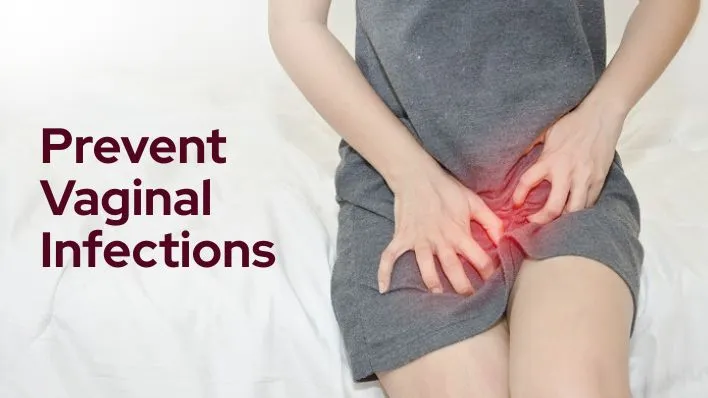
Key Takeaways: Preventing Vaginitis & Yeast Infections
-
Vaginitis and yeast infections occur due to imbalance in vaginal bacteria and pH levels.
-
Avoid douching, scented soaps, and harsh intimate hygiene products.
-
Wearing breathable cotton underwear and staying dry helps prevent yeast overgrowth.
-
Antibiotics, stress, high sugar intake, and hormonal changes increase infection risk.
-
Probiotics and a balanced diet support healthy vaginal flora.
-
Recurrent infections require proper diagnosis and personalised medical care.

DR JAY MEHTA
Understanding Vaginitis and Yeast Infections
Vaginitis is a general term that refers to inflammation or irritation of the vagina. It can be caused by bacteria, yeast, viruses, or even allergic reactions to products like soaps or detergents. The most common types include:
-
- Bacterial Vaginosis (BV)
- Yeast Infections (Candidiasis)
- Trichomoniasis (a sexually transmitted infection)
The symptoms can include:
-
- Abnormal vaginal discharge
- Itching, burning, or irritation
- Pain during urination or sex
- Unpleasant odor
Among these, yeast infections—caused by the overgrowth of Candida (a type of fungus naturally present in the vagina)—are very common. Many women come to me saying, “It happens every few months,” or “It gets worse after taking antibiotics.”
Why Do Vaginal Infections Happen Again and Again?
In my experience, most vaginal infections happen because of one core issue: imbalance.
Your vagina has a natural ecosystem—an ideal pH level and friendly bacteria (lactobacilli) that protect it. But sometimes, this balance is thrown off by:
-
- Taking antibiotics (which kill both bad and good bacteria)
- Using harsh soaps, vaginal washes, or douching
- Wearing tight, synthetic underwear that traps moisture
- Hormonal changes during periods, pregnancy, or menopause
- Poor intimate hygiene habits
- High sugar intake, which feeds yeast overgrowth
- Weak immune system due to stress or chronic illness
Many women in Mumbai and across India are now proactively seeking solutions for vaginitis prevention in women, and rightly so—prevention is far better than repeated treatment.
TALK TO US
GET IN TOUCH ON
How Can I Prevent Yeast Infections and Vaginitis?
This is the part I always emphasize in my consultations. Here are science-backed, practical ways you can reduce your chances of infection—and support your overall vaginal health.
1. Keep the vaginal area dry and breathable
Moisture is yeast’s best friend.
Wear cotton underwear, change out of sweaty clothes quickly, and avoid tight leggings or jeans for long hours. Let your intimate area breathe.
2. Avoid scented products and harsh chemicals
You don’t need to clean inside the vagina. It cleans itself!
Avoid using scented soaps, vaginal sprays, or douching, which disrupt your natural pH. Stick to gentle, unscented cleansers for the outer area only.
3. Balance your gut and vaginal flora
Consider adding probiotics to your diet, especially if you’ve taken antibiotics recently.
Yogurt, kefir, and fermented foods can help maintain healthy bacteria levels. Some women also use probiotic supplements for vaginal health—ask your doctor before starting.
4. Wipe the right way
After using the toilet, always wipe from front to back. This reduces the chance of transferring bacteria from the rectum to the vaginal area.
5. Practice safe sex and hygiene
Sex can introduce new bacteria, so using condoms and washing gently after intercourse helps. Also avoid sharing towels or intimate items.
6. Avoid staying in wet clothes
This includes swimsuits, sweaty gym clothes, or pads kept on for too long. Yeast thrives in damp environments.
7. Strengthen your immune system
Chronic stress and fatigue weaken your body’s defense. Eat balanced meals, sleep well, manage stress, and stay active.
A healthy body supports a healthy vagina.
These tips may sound simple, but they’re very effective. Many of Dr. Jay Mehta’s Best Gynecological Surgery Specialist in Mumbai patients who followed these guidelines saw fewer infections and much more comfort in daily life. Whether you’re looking for intimate hygiene tips in India or just want peace of mind, small changes can make a big impact.
Recurring itching, discharge, or irritation should not be ignored. A consultation with a gynecologist can provide clarity, relief, and long-term prevention strategies. Call the clinic or schedule an appointment to discuss your concerns.
Can Vaginitis Be Prevented Completely?
While not every infection can be prevented—especially when hormones or medical conditions are involved—you can greatly reduce your risk.
If you keep getting infections frequently, I recommend a proper check-up. Sometimes, conditions like diabetes, STIs, or hormonal imbalances can be hidden culprits. We also check for rare allergies or sensitivities.
And if you’re already dealing with discomfort, don’t self-diagnose with over-the-counter creams. Let your doctor guide you with the right diagnosis and a specialized
Many clinics now offer preventive care for recurrent vaginal infections, especially in metro cities like Mumbai. If you’re searching for trusted clinics for yeast infection care in India, make sure they offer personalized, evidence-based treatment.
Frequently Asked Questions (FAQs)
1. Can diet changes help prevent yeast infections?
2. Do sanitary pads or tampons cause infections?
3. Is it okay to use vaginal washes or soaps every day?
4. Can pregnancy make yeast infections more common?
5. Are recurring yeast infections a sign of something serious?
Final Thoughts
Related Blogs

When Vaginal Itching Needs a Doctor’s Visit?
Itching isn’t always an infection. Mumbai’s Dr. Jay Mehta explains the real causes, and when self-treatment isn’t the right approach.

Surgical Treatment for Perineal Endometriosis: Wide Excision Explained
A painful lump that worsens with your period isn’t ordinary scar pain. Mumbai’s Dr. Jay Mehta explains diagnosis and when excision is needed.

Best Gynecologist for Recurrent Genital Infections in Mumbai
Recurring symptoms aren’t always the same infection. Mumbai’s Dr. Jay Mehta explains why, and what actually needs re-evaluating.

Can Perineal Endometriosis Come Back After Surgery?
Yes, but the odds favour most patients. Mumbai’s Dr. Jay Mehta explains what actually drives recurrence, and how to lower your risk.

Does Perineal Endometriosis Always Need Surgery?
No, not always. Mumbai’s Dr. Jay Mehta explains when hormonal therapy can work, and when surgery becomes the better option.

How to Find a Menopause Specialist Who Understands GSM Treatments
Look beyond hot flashes. Mumbai’s Dr. Jay Mehta explains what a good GSM consultation should cover, and the questions worth asking.

Can Vaginal Itching Without Discharge Really Be a Skin Condition?
Vaginal itching without discharge can be caused by skin irritation, dryness, eczema or other conditions. Know the causes, treatment and warning signs.

Why Do Postmenopausal Women Experience Vaginal Itching Without Infection?
Yes, declining estrogen alone can cause itching after menopause. Mumbai’s Dr. Jay Mehta explains why, and what actually helps.
Is Vaginal Itching After Sex Always Due to an Infection?
No, it’s not always an infection. Mumbai’s Dr. Jay Mehta explains how friction, allergies and pH shifts can all cause itching too.

Can Laundry Detergent Cause Chronic Vaginal Itching?
Yes, detergent is an overlooked cause of vaginal itching. Mumbai’s Dr. Jay Mehta explains why it’s mistaken for infection, and the fix.
Book Appointment
