


Reconstructive vs. Rejuvenation Vaginal Surgery: Which One Do You Need?
As a doctor, I know that medical terms can sound unfamiliar and even intimidating. It’s a common reason why patients feel uneasy about seeking information or care, especially when discussing intimate health concerns.
Many people mistake “vaginal reconstruction” for “vaginal rejuvenation,” but these procedures are actually quite different. If you’ve ever browsed the website of a Cosmetic Gynecology Clinic in Mumbai, you might have seen both terms mentioned together, which can add to the confusion.
My aim here is to explain these procedures in everyday language so you can confidently make decisions about your health. I’ll take you through their main differences, why you might consider one over the other, and how to start exploring the best choice for your unique needs.
Along the way, I’ll also share insights from current best practices and what you might expect if you connect with leading clinics like those specializing in Cosmetic Gynecology in Mumbai, pelvic floor treatments, and advanced feminine wellness care.

DR JAY MEHTA
Understanding the Basics: What’s the Difference?
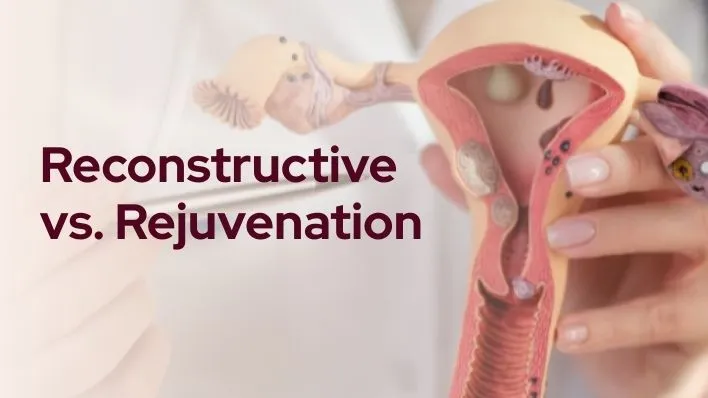
When you compare reconstructive and rejuvenation vaginal surgeries, it’s essential to focus on your main goal: are you trying to fix a health problem, or are you looking to enhance how you feel about your appearance? One type aims to restore the function of the pelvic organs, while the other is designed to improve the external look or sensation of your intimate area.
⇒ What is Reconstructive Vaginal Surgery?
Reconstructive surgery addresses physical issues that affect your comfort and health. These are medically necessary procedures performed to repair or restore the normal function of the vagina or the structures surrounding it.
Whether you’ve experienced changes after childbirth, had previous surgery, suffered an injury, or are coping with the effects of aging, reconstructive surgery can make a significant difference.
For example, Pelvic Floor Reconstruction helps support the organs in your pelvis—like your bladder, uterus, and bowel—by strengthening the muscles that keep everything in place. If these muscles weaken, you might notice a bulge (called pelvic organ prolapse), discomfort, or problems with bladder or bowel control. Restoring this support through surgery can relieve these symptoms and improve your everyday life.
Another procedure, Vaginoplasty, rebuilds or tightens the vaginal canal. This operation can be important after cancer treatments, severe injuries, or as part of gender-affirming care.
Likewise, a Perineoplasty repairs the area between the vagina and anus, called the perineum, which is sometimes damaged during childbirth or trauma. At reputable clinics—including those known for Cosmetic Gynecology in Mumbai—you’ll find specialists well-versed in these comprehensive procedures.
⇒ What is Vaginal Rejuvenation Surgery?
Vaginal rejuvenation is elective and focused on aesthetics. Its purpose is to change or enhance the appearance of the vulva, which is the external part of your genital area, or to improve sexual satisfaction. Most rejuvenation procedures are chosen for personal reasons, such as confidence or self-comfort, and are usually not covered by insurance.
A popular cosmetic procedure is Labiaplasty, which reshapes or reduces the labia minora (inner lips) or labia majora (outer lips). Many women consider this surgery if they’re self-conscious, uncomfortable during exercise or intimacy, or seeking symmetry. Clitoral Hood Reduction, another rejuvenation option, involves removing excess skin around the clitoris, sometimes for heightened sensitivity or aesthetics.
Today, there are also non-surgical treatments like lasers or radiofrequency devices that gently tighten vaginal tissues, available at many Intimate Medicine Clinics in Mumbai as part of their innovative approaches to feminine wellness.
Key Differences Between Reconstructive & Rejuvenation Vaginal Surgery
| Factor | Reconstructive Vaginal Surgery | Vaginal Rejuvenation Surgery |
|---|---|---|
| Primary Goal | Restore anatomy and function of pelvic structures | Enhance appearance, sensation, or confidence |
| Medical Necessity | Usually medically required (prolapse, injury, cancer recovery) | Elective, based on personal preference |
| Insurance Coverage | Often covered if medically justified | Rarely covered (considered cosmetic) |
| Surgeon Specialty | Performed by urogynecologists or surgical gynecologists | Performed by cosmetic gynecologists or aesthetic surgeons |
| Type of Anesthesia | Typically requires general or regional anesthesia | May use local, regional, or light sedation depending on procedure |
| Surgical Complexity | More complex; may involve repairing muscles, ligaments, and tissues | Usually less complex; reshaping or reducing soft tissues |
| Recovery Time | Longer recovery (4–6 weeks for full healing) | Shorter recovery (2–4 weeks, sometimes days for non-surgical options) |
| Impact on Daily Life | Improves bladder, bowel, and sexual function; relieves pain | Improves comfort in clothing, confidence, and sexual satisfaction |
| Risk Level | Higher, due to complexity and medical conditions being treated | Lower, but risks include scarring, asymmetry, or dissatisfaction |
| Patient Motivation | Driven by health concerns and quality of life restoration | Driven by personal choice, aesthetics, and self-esteem |
When to Consider Reconstructive Surgery?
Opting for reconstructive vaginal surgery is often a medically advised decision, not just a cosmetic preference. If you’re experiencing a pelvic organ prolapse—a bulge or sensation of heaviness—chronic discomfort, or issues with bladder or bowel function, reconstructive surgery may be recommended. It’s also a solution for urinary incontinence, such as leaking during a cough, sneeze, or physical activity.
Painful intercourse or difficulty with daily activities that stem from physical changes in your pelvic area can also be strong reasons to consider reconstructive procedures. Healing and restoring your body after difficult childbirth, trauma, or cancer procedures isn’t just about looks; it’s about protecting your health and getting your quality of life back.
TALK TO US
GET IN TOUCH ON
When to Consider Rejuvenation Surgery?
Rejuvenation surgery is a deeply personal choice and can be life-changing in its own way. Maybe you’ve noticed discomfort during movement because of elongated labia, or perhaps you’re simply looking to feel more confident in your own skin.
Some women seek these surgeries as a way to align their bodies with how they feel or to enhance sensation and pleasure during intimacy.
Addressing concerns about appearance isn’t superficial; it can have a real impact on your confidence, relationships, and sexual health
Frequently Asked Questions (FAQs)
1. How do I choose between reconstructive and cosmetic vaginal surgery?
The best way is to discuss your concerns with a qualified gynecologist or urogynecologist who understands both functional and aesthetic aspects. They will recommend options based on your symptoms, anatomy, lifestyle, and goals.
2. Can non-surgical options give similar results to surgical vaginal rejuvenation?
While laser and radiofrequency treatments at Intimate Medicine Clinics in Mumbai can improve mild laxity and enhance tissue tone, they may not achieve the same degree of change as surgery for significant anatomical or appearance concerns.
3. Are these procedures safe, and how do I minimize risks?
When performed by experienced specialists using FDA-approved techniques, both reconstructive and cosmetic procedures have a good safety profile. Prevention of complications comes from proper pre-operative planning, following post-operative care instructions, and choosing a reputable clinic.
4. How long is the recovery after reconstructive or cosmetic vaginal surgery?
Recovery varies by procedure. Most women can resume normal light activity in about 1-2 weeks, with full recovery typically within 4-6 weeks. Your doctor will give you personalized instructions based on the specific surgery.
5. Is my privacy protected during consultations and procedures?
Absolutely. Leading Cosmetic Gynecology Clinics in Mumbai and Intimate Medicine Clinics in Mumbai maintain strict confidentiality and respect your privacy at every step, ensuring a safe and supportive environment for all patients.
Conclusion
Choosing the right path for your intimate health is a journey that deserves thoughtful guidance and expert care. By understanding your options and working with a knowledgeable provider, you can confidently make decisions that are right for your unique needs.
Remember, you’re not alone—whether you’re seeking functional restoration or a boost in self-esteem, reaching out for support is a powerful step toward greater comfort and confidence. Take that step today and discover the difference compassionate, specialized care can make in your life.
Related Blogs

When Vaginal Itching Needs a Doctor’s Visit?
Itching isn’t always an infection. Mumbai’s Dr. Jay Mehta explains the real causes, and when self-treatment isn’t the right approach.

Surgical Treatment for Perineal Endometriosis: Wide Excision Explained
A painful lump that worsens with your period isn’t ordinary scar pain. Mumbai’s Dr. Jay Mehta explains diagnosis and when excision is needed.

Best Gynecologist for Recurrent Genital Infections in Mumbai
Recurring symptoms aren’t always the same infection. Mumbai’s Dr. Jay Mehta explains why, and what actually needs re-evaluating.
Can Perineal Endometriosis Come Back After Surgery?
Yes, but the odds favour most patients. Mumbai’s Dr. Jay Mehta explains what actually drives recurrence, and how to lower your risk.
Does Perineal Endometriosis Always Need Surgery?
No, not always. Mumbai’s Dr. Jay Mehta explains when hormonal therapy can work, and when surgery becomes the better option.

How to Find a Menopause Specialist Who Understands GSM Treatments
Look beyond hot flashes. Mumbai’s Dr. Jay Mehta explains what a good GSM consultation should cover, and the questions worth asking.

Can Vaginal Itching Without Discharge Really Be a Skin Condition?
Vaginal itching without discharge can be caused by skin irritation, dryness, eczema or other conditions. Know the causes, treatment and warning signs.

Why Do Postmenopausal Women Experience Vaginal Itching Without Infection?
Yes, declining estrogen alone can cause itching after menopause. Mumbai’s Dr. Jay Mehta explains why, and what actually helps.

Is Vaginal Itching After Sex Always Due to an Infection?
No, it’s not always an infection. Mumbai’s Dr. Jay Mehta explains how friction, allergies and pH shifts can all cause itching too.

Can Laundry Detergent Cause Chronic Vaginal Itching?
Yes, detergent is an overlooked cause of vaginal itching. Mumbai’s Dr. Jay Mehta explains why it’s mistaken for infection, and the fix.
Book Appointment
