


Can You Exercise with Pelvic Organ Prolapse?
At Ahalya Cosmetic Gynecology, Mumbai, we understand that a diagnosis of pelvic organ prolapse (POP) can feel like a sudden stop sign for your active life.
Having spent over 13 years treating women with these concerns, Dr. Jay Mehta often encounters patients who fear that a simple jog or yoga class might worsen their condition.
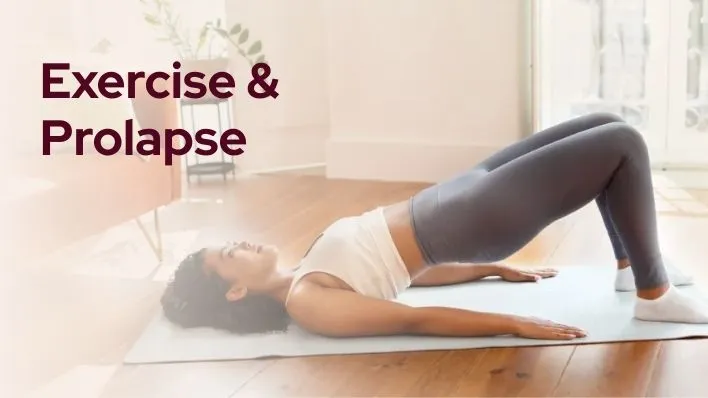
The truth is that exercise is not only safe for most women with prolapse but is actually a vital component of recovery, provided it is approached with the right modifications and professional guidance.

DR JAY MEHTA
Key Takeaways
-
Pelvic organ prolapse does not mean you must stop exercising; the right exercises can actually improve symptoms.
-
Low-impact activities like walking, swimming, cycling (seated), yoga, and Pilates are generally safe for prolapse.
-
Pelvic floor exercises (Kegels) play a key role in strengthening support muscles and improving control.
-
High-impact workouts, heavy lifting, deep squats, and intense core exercises may worsen prolapse symptoms and should be avoided.
-
Guided care from a pelvic health physiotherapist or aesthetic gynecologist ensures safe, effective movement.
-
With the right approach, exercise can reduce discomfort, improve confidence, and prevent prolapse progression.
Understanding Pelvic Organ Prolapse
First, let’s clear up what pelvic organ prolapse means in simple terms. This condition occurs when the pelvic organs, including the bladder, uterus, or rectum, lose their usual support and shift downward.
This “descent” into the vaginal area is often due to weakened pelvic muscles and connective tissues.
Causes can range from pregnancy and childbirth to ageing, chronic constipation, and even lifting heavy objects repeatedly.
Common symptoms include a feeling of pressure or heaviness in the lower pelvis, difficulty urinating, a sense of a “bulge” in the vagina, and sometimes challenges with bowel movements.
While this might sound concerning, it’s important to know that POP is highly manageable—and that extends to staying physically active.
Is Exercise Safe? Most Definitely—With Caution
A recurring question I hear is, “Can I exercise without worsening my condition?” The short, reassuring answer is yes—but it depends on the type of exercise and how you engage with movement.
Exercise serves a dual purpose for prolapse management. Not only can it strengthen the muscles supporting your pelvis, but it also enhances overall physical health, improves mood, and brings better control over your symptoms.
However, certain high-impact exercises can potentially aggravate prolapse by increasing pressure on the pelvic floor.
This is where working closely with an aesthetic gynecologist in Mumbai or a pelvic health physiotherapist can make a transformative difference.
TALK TO US
GET IN TOUCH ON
Exercises That Support Your Recovery
FFor people seeking Pelvic Organ Prolapse treatment in Mumbai, the goal is to focus on low-impact movements that build core engagement and strengthen the pelvic floor. Here’s how you can reshape your activity routine safely and sustainably.
⇒ Pelvic Floor Exercises (A Must-Try)
One of the most straightforward and essential options is pelvic floor strengthening — often called Kegel exercises.
These exercises involve gently squeezing and lifting your pelvic muscles, as though you’re attempting to stop urine flow midstream (though these should never actually be done on the toilet).
Start with “slow holds” by tightening the muscles, holding for up to 10 seconds, and then releasing. Repeat this 8–10 times per session, 3-5 sessions per day. Quick contractions, where you squeeze and release in rapid succession, are also beneficial. Over a few months, you’ll likely notice enhanced muscle endurance and control.
⇒ Low-Impact Cardio to Keep You Moving
Gentle activities like walking, swimming, or using a stationary bike can help you stay active without exacerbating symptoms.
These exercises improve blood circulation and assist with weight management, reducing unnecessary strain on your pelvic floor.
⇒ Strength Training with Adjustments
While weightlifting can be tricky for those with POP, it isn’t entirely off the table. Light resistance training and seated weight exercises are great ways to build strength.
The key here lies in managing your body’s posture and avoiding activities that cause straining or excessive downward pressure. A physiotherapist can guide you in finding the right balance.
⇒ Modified Yoga and Pilates
Many women find that yoga and Pilates are excellent stress-relievers and body strengtheners while navigating prolapse.
Focus on poses that gently stretch and stabilise your core, avoiding deep squats, excessive twisting, or positions that place immense pressure on your abdomen.
Exercises to Avoid
Not all exercises are suitable for a prolapse, and understanding what to avoid is just as important as knowing what to include. Whenever possible, steer clear of the following activities to protect your pelvic floor from unnecessary stress:
-
- High-impact exercises, like running or jumping.
- Intense abdominal workouts, such as sit-ups or crunches.
- Deep squats and heavy deadlifts.
- High-strain lifting — particularly over the shoulders.
If you’re uncertain about specific workouts, consulting fitness experts affiliated with Mumbai hospitals for cosmetic gynecology can bring clarity tailored to your unique needs.
5 Essential Safety Tips to Exercise Confidently
-
- Listen to Your Body – If an activity worsens your symptoms, stop immediately and reassess.
- Engage Your Core Wisely – Strengthen deeper abdominal muscles by “zipping up” as if pulling tight trousers. Never hold your breath or bear down while lifting weights.
- Consider a Pessary – This small vaginal device, available through an aesthetic gynecologist in Mumbai, provides additional pelvic support and is often a game-changer during exercise.
- Hydrate and Nourish Yourself – A high-fibre diet combined with steady hydration lowers constipation risks, reducing strain during bowel movements.
- Team Up with Professionals – A tailored programme from a pelvic health physiotherapist can provide step-by-step guidance.
- Listen to Your Body – If an activity worsens your symptoms, stop immediately and reassess.
Frequently Asked Questions (FAQs)
1. Can cycling worsen prolapse symptoms?
Cycling can be safe for prolapse when done seated and with minimal resistance. Avoid standing up on pedals, as this may exert excess pressure.
2. Will losing weight help my prolapse?
Maintaining a healthy weight often alleviates symptoms by reducing stress on your pelvic floor. It’s essential to pair weight management with proper guidance.
3. Can pelvic floor exercises fix prolapse entirely?
While Kegels improve muscle strength and symptom management, they may not completely resolve prolapse. Combined care plans yield the best outcomes.
4. Do I need surgery to exercise safely with a prolapse?
Surgery isn’t always necessary. Many women regain confidence in movement through guided exercises, pessary use, and lifestyle adaptations.
5. Can a prolapse get worse if untreated?
Without intervention or symptom management, prolapse severity could progress. Engaging with specialists early prevents complications.
Final Thoughts
Pelvic organ prolapse is a manageable condition, and exercise, when approached carefully, is a powerful tool in your recovery. Taking the first step by consulting trusted professionals — whether it’s the best cosmetic gynecologist in Mumbai or a supportive physiotherapist nearby — creates a solid foundation for progress.
If you’re ready to regain control and confidence, I invite you to book an appointment at one of the reliable Mumbai hospitals for cosmetic gynecology. Together, we’ll tailor a plan designed around you, so you can move freely and live fully. Let’s ensure you’re not just managing prolapse but thriving beyond it.
Reach out today—because your health deserves expert care, compassionate solutions, and unwavering support.
Related Blogs

When Vaginal Itching Needs a Doctor’s Visit?
Itching isn’t always an infection. Mumbai’s Dr. Jay Mehta explains the real causes, and when self-treatment isn’t the right approach.

Surgical Treatment for Perineal Endometriosis: Wide Excision Explained
A painful lump that worsens with your period isn’t ordinary scar pain. Mumbai’s Dr. Jay Mehta explains diagnosis and when excision is needed.

Best Gynecologist for Recurrent Genital Infections in Mumbai
Recurring symptoms aren’t always the same infection. Mumbai’s Dr. Jay Mehta explains why, and what actually needs re-evaluating.

Can Perineal Endometriosis Come Back After Surgery?
Yes, but the odds favour most patients. Mumbai’s Dr. Jay Mehta explains what actually drives recurrence, and how to lower your risk.
Does Perineal Endometriosis Always Need Surgery?
No, not always. Mumbai’s Dr. Jay Mehta explains when hormonal therapy can work, and when surgery becomes the better option.

How to Find a Menopause Specialist Who Understands GSM Treatments
Look beyond hot flashes. Mumbai’s Dr. Jay Mehta explains what a good GSM consultation should cover, and the questions worth asking.
Can Vaginal Itching Without Discharge Really Be a Skin Condition?
Vaginal itching without discharge can be caused by skin irritation, dryness, eczema or other conditions. Know the causes, treatment and warning signs.

Why Do Postmenopausal Women Experience Vaginal Itching Without Infection?
Yes, declining estrogen alone can cause itching after menopause. Mumbai’s Dr. Jay Mehta explains why, and what actually helps.

Is Vaginal Itching After Sex Always Due to an Infection?
No, it’s not always an infection. Mumbai’s Dr. Jay Mehta explains how friction, allergies and pH shifts can all cause itching too.

Can Laundry Detergent Cause Chronic Vaginal Itching?
Yes, detergent is an overlooked cause of vaginal itching. Mumbai’s Dr. Jay Mehta explains why it’s mistaken for infection, and the fix.
Book Appointment
