


Why Vulvodynia Causes Chronic Vaginal Burning?
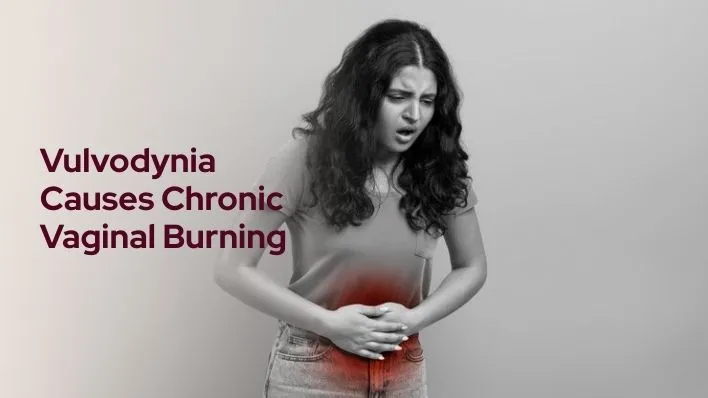
Imagine feeling a persistent, burning pain that just won’t go away, but when you look for a cause, everything appears “normal.” This is the reality for many women I see in my practice who suffer from vulvodynia.
To put it simply, vulvodynia is a chronic pain condition affecting the vulva (the external female genital area) that lasts for at least three months without an identifiable cause.
It isn’t an infection, it isn’t “all in your head,” and it certainly isn’t something you have to just live with.
In my years of experience treating women with complex pelvic pain, I have seen how isolating this condition can be. My goal today is to explain this condition clearly, validate your pain, and help you understand that relief is possible.

DR JAY MEHTA
Key Takeaways
- It is Real: Vulvodynia is a chronic pain condition, not a psychological one.
- Diagnosis is Key: It is a diagnosis of exclusion; ruling out infections is the first step.
- Treatable: A mix of medication, physical therapy, and lifestyle changes is highly effective.
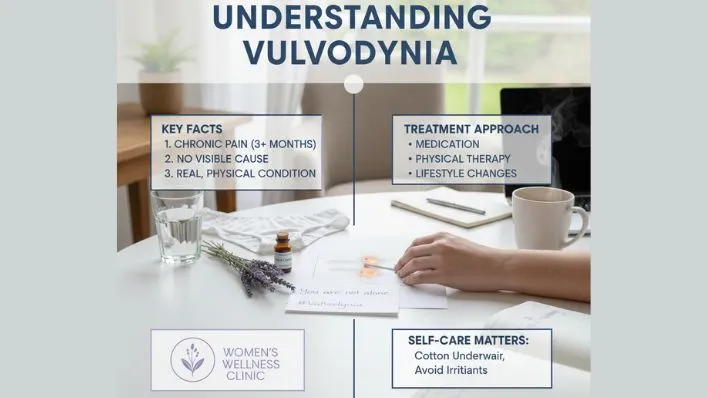
- Self-Care Matters: Cotton underwear, avoiding irritants, and stress management are crucial.
- Seek Help Early: Early intervention leads to better and faster outcomes.
TALK TO US
GET IN TOUCH ON
What Is Vulvodynia and How Does It Affect Women?
⇒ Understanding the condition beyond the definition
When patients come to me describing a raw, stinging, or burning sensation that makes sitting, walking, or intimacy incredibly painful, they are often terrified because previous exams have shown “nothing wrong.”
Vulvodynia is a diagnosis of exclusion—meaning we diagnose it after ruling out infections like yeast or bacteria. It is a real, physical condition involving the nerves and tissues of the vulva.
⇒ The two main types you should know
Clinically, we generally categorize this pain into two types:
- Generalized Vulvodynia: Pain occurs spontaneously and can be felt throughout the entire vulvar region. It might be constant or come and go.
- Localized Vulvodynia (Vestibulodynia): The pain is concentrated in one specific spot, often the vestibule (the entrance to the vagina). This is frequently triggered by pressure, such as inserting a tampon or sexual intercourse.
⇒ Why early diagnosis matters
The impact on a woman’s life is profound. It affects relationships, self-esteem, and daily comfort. Many women suffer in silence for months or even years before seeking help.
Early diagnosis is crucial because it prevents the “pain loop” in your nervous system from becoming deeply ingrained, making treatment more effective and recovery faster.
What Causes Vulvodynia and Why Is It So Complex?
⇒ It’s rarely just one thing
Patients often ask me, “Doctor, why is this happening to me?” The honest medical answer is that the exact cause is often unknown, but it is usually multifactorial. It is rarely just one issue but rather a “perfect storm” of factors coming together.
⇒ Nerve dysfunction and irritation
For many women, this is a neuropathic pain issue. The nerves in the vulva become hypersensitive, firing pain signals to the brain even when there is no actual threat or injury. It’s like a fire alarm that keeps ringing long after the fire is out.
⇒ Hormonal and physical triggers
We also look at hormonal changes, particularly drops in estrogen which can thin vulvar tissues and make them more susceptible to irritation.
As a specialist running a cosmetic gynecology clinic in mumbai, I, Dr. Jay Mehta, often see how hormonal imbalances directly correlate with tissue health and sensitivity.
⇒ Past inflammation and pelvic floor issues
A history of recurrent yeast infections or severe inflammation can sometimes trigger long-term nerve sensitivity.
Additionally, high stress can cause the muscles of the pelvic floor to tighten subconsciously. These tight muscles can restrict blood flow and irritate nerves further, creating a cycle of pain and tension.
How Is Vulvodynia Diagnosed?
⇒ The importance of ruling other things out
Because vulvodynia looks “normal” to the naked eye, diagnosis requires a careful, methodical approach. We must first ensure that your pain isn’t caused by a treatable infection, a skin condition like lichen sclerosus, or a hormonal deficiency.
⇒ The “Cotton Swab Test”
One of the most effective diagnostic tools I use is incredibly simple: a cotton swab. During the examination, I gently touch specific areas of the vulva and vestibule to map out exactly where the pain is located. If a light touch that should feel essentially like nothing causes pain, it is a strong indicator of vulvodynia.
⇒ A comprehensive history
I spend a significant amount of time just talking with my patients. Your history tells me more than a lab test ever could.
We discuss your pain triggers, your history of infections, and even your stress levels. This holistic view is vital for an accurate diagnosis.
What Are the Treatment Options for Vulvodynia?
⇒ A multidisciplinary approach works best
There is no “magic pill” for vulvodynia, but there is a successful path forward. The most effective treatment plans are customized and often involve a combination of therapies.
⇒ Medications to calm the nerves
We often use topical medications, such as compounded creams containing anesthetics (like lidocaine) or nerve-stabilizing medications. These are applied directly to the source of the pain.
In some cases, oral medications—often low doses of antidepressants or anticonvulsants—are prescribed not for mood, but because they are excellent at dampening overactive nerve signals.
⇒ Physical therapy is a game-changer
I cannot stress enough the value of pelvic floor physical therapy. A specialized therapist can teach you how to relax the pelvic muscles that are guarding against pain.
This manual therapy often brings significant relief by breaking the cycle of muscle tension.
⇒ Advanced interventions
For persistent cases, we might consider nerve blocks or even Botox injections to relax the pelvic muscles. If you are searching for a women’s care clinic in Mumbai, it is essential to find a center that offers these advanced, integrative options rather than just standard medication.
How Can Women Manage and Recover from Vulvodynia?
⇒ Practical changes for daily relief
Recovery isn’t just about what happens in the clinic; it’s about your daily habits. I advise my patients to switch to 100% cotton underwear and avoid tight-fitting trousers or leggings that restrict airflow. Sleep without underwear to let the skin breathe.
⇒ Avoiding irritants
Your vulva is highly sensitive. Switch to unscented laundry detergents and skip the fabric softener. Avoid scented soaps, bubble baths, and feminine hygiene sprays entirely. When cleaning, warm water is usually sufficient and safest.
⇒ Lubrication is key
For intimacy, using a high-quality, preservative-free lubricant is non-negotiable. It reduces friction and protects the delicate tissues. I can recommend specific brands that are safe and hypoallergenic during a consultation.
⇒ Patience is part of the process
Recovery takes time. It can be frustrating, but I encourage you to be patient with your body. We are retraining your nerves and muscles, and that doesn’t happen overnight. However, with consistent care, most women see significant improvement.
How Does Vulvodynia Impact Emotional Well-Being?
⇒ Validating the invisible pain
Chronic pain is exhausting. When that pain interferes with intimacy, it can lead to feelings of guilt, inadequacy, or depression. I want you to know that your feelings are valid. You are not “broken.”
For many women, this discomfort can feel even more intense in the evenings, which is why patients often ask, why vulvodynia is worse at night.
⇒ Addressing relationship strain
It is important to have open conversations with your partner. Painful sex can create anxiety around intimacy, leading to a loss of libido.
We often recommend sex therapy or counseling as part of the treatment plan to help navigate these emotional complexities and maintain connection without pain.
⇒ You are not alone
Building a support network is vital. Whether it’s a trusted friend, a therapist, or a support group, having an outlet to discuss your feelings reduces the isolation that feeds chronic pain.
Can Vulvodynia Be Prevented?
⇒ Why prevention is tricky?
Because the exact cause is often unknown, there is no guaranteed way to prevent vulvodynia. However, maintaining good vulvar hygiene and addressing infections promptly can lower your risk factors.
⇒ Early intervention is your best defense
If you notice persistent burning or irritation that doesn’t resolve with standard treatment, do not wait. Seeking expert care early prevents the condition from becoming chronic.
Vaginal infection treatment is readily available, but ensure you are seeing a specialist who looks beyond the infection if symptoms persist.
Frequently Asked Questions (FAQs)
1. Can vulvodynia go away on its own?
While some cases may resolve spontaneously, it is rare for chronic vulvodynia to disappear without intervention. Waiting often prolongs suffering and can lead to secondary issues like pelvic floor muscle tension. Professional treatment significantly speeds up recovery and improves quality of life.
2. What’s the difference between vulvodynia and a vaginal infection?
A vaginal infection (like a yeast infection) usually has visible signs such as discharge, odor, or redness and can be identified via a swab test. Vulvodynia presents with similar pain or burning but shows no active infection or visible skin abnormalities during testing.
3. How long does it take to find the right treatment?
Finding the right combination of treatments can take some trial and error, often requiring a few months. Every woman’s body responds differently to medications and therapy. Patience and open communication with your doctor are essential during this phase.
4. Is vulvodynia linked to menopause?
It can be. The drop in estrogen during menopause causes thinning and dryness of vulvar tissues (atrophy), which can predispose women to vulvar pain. Treating the hormonal deficiency often alleviates the pain in these cases.
5. Can physical therapy really help with vulvodynia?
Absolutely. Many women with vulvodynia develop tight, guarded pelvic floor muscles as a reaction to the pain. Specialized pelvic floor physical therapy helps relax these muscles, improving blood flow and reducing the pressure on irritated nerves.
Conclusion
Vulvodynia is a challenging condition, but it is manageable and treatable. You do not have to live with chronic vaginal burning or sacrifice your quality of life.
By understanding the condition, seeking the right diagnosis, and committing to a comprehensive treatment plan, you can reclaim your comfort and confidence.
If you are experiencing symptoms of vulvodynia, please don’t suffer in silence. I am here to help you navigate this journey toward recovery.
Take the first step toward relief today. Contact us at Ahalya Cosmetic Gynecology to schedule a consultation.
Related Blogs

Perineal Endometriosis Causes and Risk Factors: Episiotomy, C-Section and More
Painful lump near episiotomy or C-section scar? It could be perineal endometriosis. Learn causes, symptoms & treatment. Expert care in Mumbai.
What Is Perineal Endometriosis? A Simple Explanation
Perineal endometriosis causes cyclical pain near episiotomy scars. Often misdiagnosed — get expert diagnosis & treatment at Ahalya Gynecology, Mumbai.

Pregnancy & Vaginismus: What Every Woman Should Know
Vaginismus doesn’t cause infertility — pregnancy is possible naturally or via IUI/IVF. Expert care at Ahalya Cosmetic Gynecology, Mumbai.

Vaginismus: Causes, Symptoms, Diagnosis & Treatment
Vaginismus causes involuntary muscle spasms, making penetration painful. Learn about symptoms, diagnosis, and effective treatments including physiotherapy and Botox.
Recurring UTIs After Sex: Causes, Prevention, and When to Worry
Sex moves bacteria toward your urethra, causing UTIs. Urinate after sex, stay hydrated & see a specialist if infections recur 3+ times a year.

Pelvic Floor Therapy Costs & Affordable Options for Teens
Pelvic floor therapy in Mumbai. Affordable teen options include virtual care & home programmes. Expert help at Ahalya Cosmetic Gynecology.
Pregnancy Exams with Vaginismus & Vulvodynia: What to Expect
Pregnancy exams with vaginismus can be gentle and customised. Discover safe prenatal care options at Ahalya Cosmetic Gynecology Mumbai. Book a consultation.

cervix infection during pregnancy
Cervix infection during pregnancy can cause unusual discharge, pain, or itching. Early treatment keeps mother and baby safe. Consult Ahalya Cosmetic Gynecology Mumbai.

What are the Benefits of Taking Probiotic Supplements?
Discover the benefits of probiotic supplements for digestion, immunity, skin health, and intimate wellness. Expert guide by Dr. Jay Mehta.

Labiaplasty Cost in India : What to Expect at Ahalya Clinic
Labiaplasty in India costs ₹50,000–₹1,40,000 in 2026. Get transparent pricing and expert care at Ahalya Cosmetic Gynecology, Mumbai.
Book Appointment
