


What is the Difference Between Vaginosis and Vaginitis?
Many women come to me feeling confused by the terms they hear—vaginosis, vaginitis, yeast infection, BV. It’s completely understandable.
The words sound similar, but they mean very different things in medicine. Knowing the difference can help you seek the right care, avoid wrong treatments, and prevent discomfort from recurring.
So in this blog, I’ll walk you through the basics, step by step—clearly and simply. Whether you’re looking for vaginal infection treatment in Mumbai or just want to understand your body better, this is for you.
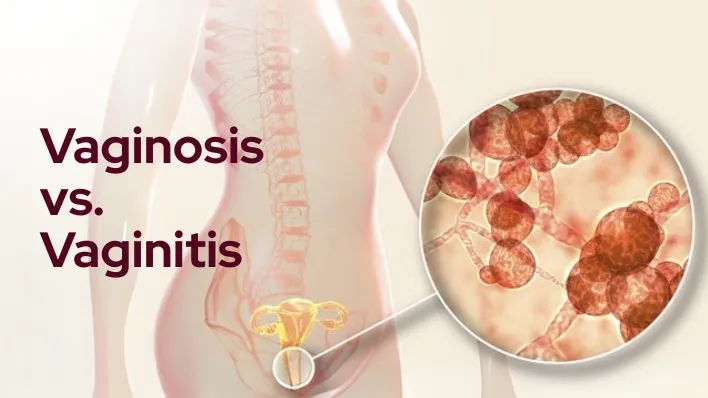
Key Takeaways: Vaginosis vs Vaginitis
-
Vaginitis is a general term for vaginal inflammation caused by infections or irritation.
-
Vaginosis (BV) is a bacterial imbalance and often causes discharge and odor without itching.
-
BV and yeast infections require different treatments—wrong medication can worsen symptoms.
-
Vaginal swab and pH testing are essential for accurate diagnosis.
-
Recurrent vaginal infections are often linked to lifestyle habits, antibiotics, or hormonal changes.
-
Early gynecologist consultation helps prevent complications and repeated infections.

DR JAY MEHTA
Let’s Start with the Basics: What Is Vaginitis?
Causes:
Vaginitis can be caused by infections (like yeast or bacteria), allergic reactions, or irritation from chemical products. Even things like scented soaps or tight clothing can trigger it.
Symptoms:
You may experience burning, itching, redness, or swelling in the vaginal area. Abnormal vaginal discharge—thick, smelly, or discolored—is also a common sign.
Common Types:
-
- Bacterial Vaginosis (BV): Caused by a disruption in the balance of natural vaginal bacteria.
- Yeast Infections (Candidiasis): Caused by an overgrowth of fungus, especially Candida albicans.
- Trichomoniasis: A sexually transmitted infection that causes frothy, smelly discharge and irritation.
- Non-Infectious Vaginitis: Triggered by irritants like perfumes, laundry detergents, or menopause-related dryness.
So in short, vaginitis means your vagina is inflamed, and we must find the cause to treat it properly.
Then What Is Vaginosis?
What Happens:
In BV, the healthy bacteria in your vagina—mainly lactobacilli—get replaced by harmful bacteria. This imbalance changes the pH and leads to symptoms.
Symptoms:
Unlike yeast infections, BV usually doesn’t cause itching or redness. Instead, you might notice a thin, greyish-white discharge with a strong fishy odor, especially after sex.
TALK TO US
GET IN TOUCH ON
Vaginosis vs Vaginitis: Quick Comparison Table
| Feature | Vaginitis | Vaginosis (Bacterial Vaginosis) |
| Definition | Inflammation of the vaginal area | Bacterial imbalance in the vagina |
| Cause | Yeast, bacteria, STIs, or irritants | Overgrowth of bad bacteria (BV) |
| Symptoms | Itching, burning, redness, discharge | Thin discharge, fishy odor, mild/no itching |
| Inflammation | Present | Usually absent |
| Treatment | Depends on cause (antifungal, antibiotic, etc.) | Specific antibiotics (metronidazole/clindamycin) |
| Common in | All women | More common in sexually active women |
This table helps simplify the medical terms and shows how both conditions differ in cause, appearance, and treatment.
What Causes Vaginosis vs. Vaginitis?
In my experience at our
Vaginosis Causes:
-
- Frequent use of antibiotics: These kill both good and bad bacteria, disrupting vaginal balance.
- Douching or scented products: They change the natural pH, encouraging harmful bacterial growth.
- Sexual activity with new/multiple partners: This can introduce new bacteria, upsetting your vaginal ecosystem.
- Hormonal changes: Fluctuations during pregnancy, periods, or menopause may disturb bacterial balance.
Vaginitis Causes:
-
- Yeast overgrowth: Often triggered by antibiotics or high sugar intake, which feeds fungal organisms.
- STIs like trichomoniasis: These infections inflame the vagina and require medical treatment.
- Allergies or chemical irritants: Products like bubble baths, scented toilet paper, or synthetic underwear can trigger non-infectious vaginitis.
In my clinic in Mumbai, I frequently see women affected by repeat infections due to common habits like over-washing or using perfumed products.
How Are They Diagnosed?
→ Medical History & Symptoms:
We start by listening to your symptoms—itching, smell, discharge type, etc.—which help guide the diagnosis.
→ Vaginal Swab Test:
We take a small sample of vaginal fluid to check for bacteria, yeast, or parasites. This helps us pinpoint the exact cause.
→ pH Test or Microscopy:
A quick pH strip or looking at the sample under a microscope confirms the diagnosis. BV usually has a pH above 4.5, while yeast infections don’t affect pH.
Don’t self-diagnose. Discharge alone can’t tell you what’s wrong—you need proper testing for correct treatment.
Persistent discharge, odor, or irritation should not be ignored. A gynecologist can help identify the cause and guide the right treatment. Consider calling the clinic or scheduling an appointment for proper evaluation.
Treatment Differences: Why the Right Diagnosis Matters?
→ For BV (Vaginosis):
We prescribe antibiotics such as metronidazole or clindamycin. These restore the healthy bacterial balance and reduce odor and discharge.
→ For Yeast Infections:
We use antifungal treatments, like fluconazole pills or antifungal creams. These kill the excess yeast and soothe irritation.
→ For Non-Infectious Vaginitis:
The focus is on removing the irritant and healing inflammation. Sometimes, we use estrogen creams if it’s menopause-related.
Important Reminder:
BV treatments won’t work for yeast infections, and vice versa. Taking the wrong medication can worsen your symptoms or delay recovery.
Book a consultation with Dr. Jay Mehta Best Gynecological Surgery Specialist in Mumbai today for accurate diagnosis and personalized treatment.
Prevention: Simple Habits to Protect Your Intimate Health
1. Avoid douching or scented washes:
These strip away protective bacteria and irritate vaginal tissues. Use only mild, unscented soap externally.
2. Wear breathable cotton underwear:
Synthetic fabrics trap moisture, creating a warm environment for bacteria and yeast. Cotton lets your skin breathe.
3. Practice safe sex:
Using condoms can prevent STIs and reduce bacterial imbalance, especially if you have new or multiple partners.
4. Keep blood sugar under control:
High sugar levels feed yeast, making infections more likely. Managing your diet helps prevent overgrowth.
5. Take probiotics if needed:
They help maintain healthy vaginal flora, especially after taking antibiotics or during hormonal changes.
6. Reduce stress and eat a balanced diet:
Stress lowers immunity, making infections more likely. Eat fiber-rich foods, stay hydrated, and get enough sleep.
These small lifestyle changes go a long way in preventing recurrent vaginal infections, especially in busy cities like Mumbai, where stress and pollution are common triggers.
Frequently Asked Questions (FAQs)
1. Can I get vaginosis even if I’m not sexually active?
2. Do vaginitis and vaginosis increase the risk of other infections?
3. Can probiotics help prevent BV or yeast infections?
4. Is it safe to use antifungal creams without seeing a doctor?
5. How often should I get checked if I get infections repeatedly?
Final Thoughts
Vaginosis and vaginitis may sound similar, but they are medically different conditions with different causes and treatments. Treating them as the same can lead to delayed healing, recurring infections, and unnecessary discomfort.
Understanding what your symptoms mean—whether it’s inflammation, bacterial imbalance, or irritation—is the first step toward choosing the right care.
With proper diagnosis and guidance, most vaginal infections can be treated effectively and prevented from coming back.
If you’re experiencing unusual discharge, odor, itching, or irritation, it’s important not to self-diagnose or rely on repeated over-the-counter treatments. A correct evaluation helps identify the root cause and ensures safe, targeted treatment.
At Ahalya Cosmetic Gynecology, Mumbai, we focus on accurate diagnosis, evidence-based treatment, and long-term vaginal health—always with privacy, empathy, and medical clarity.
Related Blogs

When Vaginal Itching Needs a Doctor’s Visit?
Itching isn’t always an infection. Mumbai’s Dr. Jay Mehta explains the real causes, and when self-treatment isn’t the right approach.

Surgical Treatment for Perineal Endometriosis: Wide Excision Explained
A painful lump that worsens with your period isn’t ordinary scar pain. Mumbai’s Dr. Jay Mehta explains diagnosis and when excision is needed.

Best Gynecologist for Recurrent Genital Infections in Mumbai
Recurring symptoms aren’t always the same infection. Mumbai’s Dr. Jay Mehta explains why, and what actually needs re-evaluating.
Can Perineal Endometriosis Come Back After Surgery?
Yes, but the odds favour most patients. Mumbai’s Dr. Jay Mehta explains what actually drives recurrence, and how to lower your risk.

Does Perineal Endometriosis Always Need Surgery?
No, not always. Mumbai’s Dr. Jay Mehta explains when hormonal therapy can work, and when surgery becomes the better option.

How to Find a Menopause Specialist Who Understands GSM Treatments
Look beyond hot flashes. Mumbai’s Dr. Jay Mehta explains what a good GSM consultation should cover, and the questions worth asking.

Can Vaginal Itching Without Discharge Really Be a Skin Condition?
Vaginal itching without discharge can be caused by skin irritation, dryness, eczema or other conditions. Know the causes, treatment and warning signs.

Why Do Postmenopausal Women Experience Vaginal Itching Without Infection?
Yes, declining estrogen alone can cause itching after menopause. Mumbai’s Dr. Jay Mehta explains why, and what actually helps.
Is Vaginal Itching After Sex Always Due to an Infection?
No, it’s not always an infection. Mumbai’s Dr. Jay Mehta explains how friction, allergies and pH shifts can all cause itching too.

Can Laundry Detergent Cause Chronic Vaginal Itching?
Yes, detergent is an overlooked cause of vaginal itching. Mumbai’s Dr. Jay Mehta explains why it’s mistaken for infection, and the fix.
Book Appointment
