


Perineal Endometriosis Symptoms: Pain & Nodules Explained
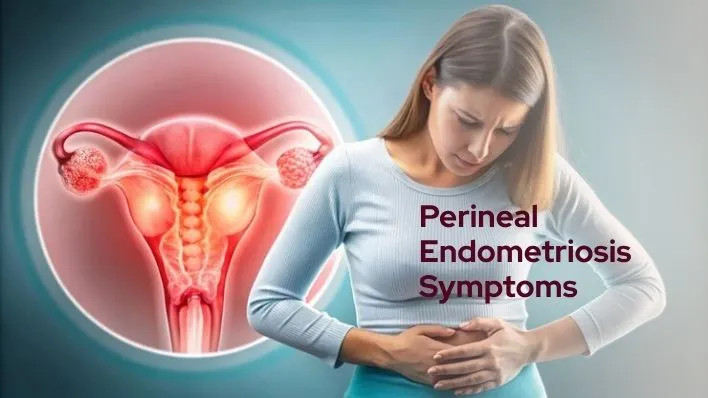
Perineal endometriosis is a rare but highly distressing condition where tissue similar to the uterine lining grows in the perineum, which is the area between the vagina and the anus.
The most definitive signs are cyclic pelvic pain and a tender nodule that swells during your menstrual period.
At Ahalya Cosmetic Gynecology in Mumbai, led by the clinical expertise of Dr. Jay Mehta, our team understands how isolating and confusing this pain can be.
We are dedicated to providing clear answers, accurate diagnosis, and compassionate care to help you regain your comfort and quality of life.

DR JAY MEHTA
Key Takeaways
- Perineal endometriosis usually develops in the scar tissue of a previous episiotomy or perineal tear after childbirth.
- The primary symptom is a distinct, painful lump in the perineum that worsens noticeably during your menstrual cycle.
- Diagnosis involves a careful clinical examination, often supported by a perineal ultrasound or pelvic MRI.
- Surgical excision of the nodule is the most effective treatment, offering long-term relief from chronic pain.
When dealing with intimate health concerns, finding a trusted medical environment is essential.
As the best cosmetic gynecology clinic in Mumbai, we frequently treat women who have suffered in silence with undiagnosed perineal discomfort.
Research published by the National Institutes of Health (NIH) indicates that extra-pelvic endometriosis, including perineal cases, occurs in less than 1% of women.
Because it is so uncommon, it is frequently misdiagnosed as a simple cyst or chronic scar tissue.
What Exactly Is Perineal Endometriosis and How Does It Develop?
To understand perineal endometriosis, it helps to know how endometrial tissue normally behaves. This tissue usually lines the inside of the uterus, thickening and shedding each month.
When this tissue implants in the perineum, it continues to respond to your monthly hormonal changes.
Because the tissue is trapped under the skin, it bleeds internally during your period. This creates inflammation, swelling, and trapped blood, leading to the formation of a painful nodule.
The most common cause of this specific type of endometriosis is direct mechanical implantation.
During a vaginal delivery, especially if you required an episiotomy or experienced a perineal tear, viable endometrial cells can accidentally transplant into the healing wound. Over time, these cells multiply and form an active endometriotic lesion.
TALK TO US
GET IN TOUCH ON
What Are the Early Signs and Symptoms of Perineal Endometriosis?
The symptoms of this condition are highly specific, yet they can easily mimic other perineal issues like abscesses or hemorrhoids. Knowing what to look for can significantly speed up your path to relief.
Cyclic Perineal Pain
The most defining characteristic is pain that follows a strict monthly pattern. You will likely notice a sharp, throbbing, or deep ache in your perineum that begins a few days before your period and intensifies during menstruation.
A Palpable Nodule or Lump
Many women can physically feel a small mass beneath the skin of their perineum. This endometriotic nodule often feels firm and extremely tender to the touch. It may increase in size during your period and shrink slightly afterward.
Pain During Intimacy
Because the nodule causes localized inflammation and tenderness, sexual intercourse can become highly uncomfortable. This specific type of pain, known clinically as dyspareunia, can deeply impact your emotional wellbeing and intimate relationships.
Discomfort During Daily Activities
Depending on the size and exact location of the mass, you might experience sharp pain while sitting down, wiping, or wearing tight clothing. Some patients also report discomfort during bowel movements, especially when menstruating.
If you are experiencing a recurrent, painful lump, consulting a cosmetic gynecology expert in Mumbai ensures you receive a specialized evaluation. You can learn more about the specific Perineal Endometriosis Causes and Risk Factors here.
How Can We Accurately Diagnose a Perineal Endometriotic Nodule?
Reaching an accurate diagnosis requires a high level of clinical suspicion and experience.
Because the nodule fluctuates in size, timing your consultation near your menstrual cycle can sometimes help the doctor identify the active inflammation.
Your doctor will begin by discussing your obstetric history, specifically looking for past episiotomies or vaginal trauma.
Next, a gentle physical examination is conducted to locate the nodule and assess its proximity to the anal sphincter.
To confirm the depth and exact size of the lesion, we rely on advanced imaging. A perineal ultrasound or a pelvic MRI provides a clear picture of the nodule’s margins.
This imaging is crucial for surgical planning, ensuring that the surrounding healthy muscles are preserved.
If you are experiencing a recurrent, painful lump in your intimate area, waiting and worrying is not the answer. Consulting a cosmetic gynecology expert in mumbai ensures you receive a highly specialized evaluation. We encourage you to reach out and book an expert consultation for find lasting relief.
What Are the Most Effective Treatment Options for Cyclic Perineal Pain?
The treatment approach depends heavily on the size of the nodule, the severity of your pain, and your future family planning goals.
Our goal is always to eliminate the pain while preserving the structural integrity and function of your perineum.
Medical management is sometimes used as a first step. Hormonal therapies, such as oral contraceptives or specific progestins, can help suppress the menstrual cycle.
This prevents the nodule from swelling and bleeding, offering temporary pain relief. However, medication cannot make the nodule disappear completely.
Surgical excision remains the gold standard for treating perineal endometriosis. During this procedure, the surgeon carefully removes the entire endometriotic mass along with a small margin of healthy tissue.
Complete removal drastically reduces the chances of the nodule returning.
| Feature | Normal Episiotomy Scar | Perineal Endometriosis Nodule |
| Pain Pattern | Mild, non-fluctuating discomfort. | Severe, cyclic pain linked to menstruation. |
| Physical Sensation | Flat, firm scar tissue. | Tender, raised lump that changes in size. |
| Colour Changes | Skin-coloured or slightly lighter. | Sometimes displays a dark or bluish tint beneath the skin. |
| Response to Hormones | Unaffected by the menstrual cycle. | Swells and becomes highly inflamed during periods. |
What Should You Expect During Recovery and Long-Term Care?
Recovery from perineal nodule excision requires patience and proper wound care.
Because the perineum is a sensitive area prone to friction and moisture, strict hygiene protocols are essential to prevent infection.
Most patients can return to light daily activities within a week or two, though you will need to avoid strenuous exercise, heavy lifting, and sexual intercourse for several weeks.
We provide detailed aftercare instructions to ensure your healing process is smooth and comfortable.
The emotional relief following the removal of the nodule is often profound. Chronic pain takes a heavy toll on mental health, and finally living without that monthly dread brings immense freedom.
Finding the right perineal endometriosis treatment in Mumbai ensures you receive comprehensive post-operative care, including emotional support and pelvic floor rehabilitation if needed.
We will schedule follow-up appointments to monitor your healing and ensure the pain has completely resolved. Long-term recurrence is rare when the excision is performed meticulously by a specialist.
Conclusion
Perineal endometriosis is a deeply distressing condition, but you do not have to accept cyclic pain as a normal part of your life. R
ecognizing the pattern of your symptoms—especially a tender lump that flares up with your period—is the first crucial step toward healing.
At Ahalya Cosmetic Gynecology, we combine surgical precision with deep empathy to help you overcome this condition.
With accurate diagnosis and expert surgical care, you can expect a full recovery and a return to a pain-free, comfortable life.
Frequently Asked Questions (FAQs)
1. Can perineal endometriosis happen without a previous episiotomy?
Yes, though it is exceedingly rare. While over 95% of cases occur in women with a history of vaginal trauma or episiotomy, the condition can occasionally develop spontaneously due to the lymphatic or vascular spread of endometrial cells.
2. Does a perineal nodule always mean endometriosis?
No. A lump in the perineum could also be a harmless perineal cyst, an abscess, or related to a localized infection. The defining feature of an endometriotic nodule is that it becomes significantly more painful and swollen during your menstrual period.
3. Will this condition affect my ability to have more children?
Perineal endometriosis itself does not typically impact your fertility or prevent you from getting pregnant. However, women with this condition sometimes also have pelvic endometriosis, which can influence fertility outcomes.
4. Is the surgery for perianal endometriosis painful?
The procedure is performed under general or regional anesthesia, so you will not feel any pain during the surgery. Post-operative discomfort is carefully managed with prescribed pain medications, and most patients find the surgical recovery far more tolerable than the chronic monthly pain they previously endured.
5. Can lifestyle changes help manage cyclic perineal pain?
While lifestyle changes cannot remove the endometriotic nodule, adopting an anti-inflammatory diet and practicing gentle pelvic floor relaxation techniques can help manage the surrounding muscle tension and slightly reduce your overall pain levels prior to surgery.
Medical Disclaimer: The information provided in this article is for educational purposes only and should not replace professional medical advice, diagnosis, or treatment. If you are experiencing pelvic or perineal pain, please schedule a clinical evaluation. Visit Ahalya Cosmetic Gynecology to consult with our specialized medical team today.
Related Blogs

Can Laundry Detergent Cause Chronic Vaginal Itching?
Yes, detergent is an overlooked cause of vaginal itching. Mumbai’s Dr. Jay Mehta explains why it’s mistaken for infection, and the fix.

Why Does Vaginal Itching Feel Worse at Night?
Yes, nighttime itching is physically real, not just in your head. Mumbai’s Dr. Jay Mehta explains why, and what actually helps.
Do Non-Surgical Vaginal Tightening Treatments Actually Work Long-Term?
Yes, for the right candidate, but not forever. Mumbai’s Dr. Jay Mehta on how long non-surgical tightening actually lasts and who it suits.

Does Vaginal Laxity Affect Sensation? Doctor Explains
Yes, vaginal laxity can change sensation during sex. Mumbai’s Dr. Jay Mehta explains why, and what treatments actually help.
Vaginal Laxity vs Pelvic Organ Prolapse: What Is the Real Difference?
Loose tissue or an organ shifting? Dr. Jay Mehta, Mumbai, explains how vaginal laxity differs from pelvic organ prolapse and how each is treated.

Can Pelvic Floor Exercises Really Improve Vaginal Laxity?
Kegels help vaginal laxity — but only the muscular part. Dr. Jay Mehta explains what pelvic floor exercises can and can’t fix, and what to do next.
Is Vaginal Looseness After Delivery Permanent or Temporary?
Vaginal laxity after delivery often improves in 6–12 months but not always. Know when it won’t resolve on its own & your options at Ahalya Gynecology, Mumbai.
Vaginal Tightening Treatment: Causes, Symptoms, and the Best Solutions
Vaginal laxity after delivery is common and treatable. Know the causes, difference from prolapse & non-surgical options at Ahalya Cosmetic Gynecology, Mumbai.

Is It Normal to Have White Discharge Every Day?
Daily white discharge is normal for most women, but texture, smell and colour matter. Learn what’s healthy and what needs attention. Ahalya, Mumbai.
Why Does Discharge Get Thick and Clumpy?
Thick white discharge is normal after ovulation but clumpy, itchy discharge means yeast. Know the difference & when to see a doctor. Ahalya Gynecology, Mumbai.
Book Appointment
