


Is Vaginal Laxity Linked to Pelvic Organ Prolapse?
If you’ve been feeling a sense of vaginal “looseness” or noticing pressure in the pelvic area, it’s natural to wonder if these symptoms might be signs of something more serious—like pelvic organ prolapse.
As a gynecologist who regularly cares for women with these concerns—including those looking for vaginal laxity treatment in Mumbai or across India—I understand how personal and sometimes confusing these symptoms can be.
So let’s walk through what’s happening in your body, what these terms actually mean, and how to take back control of your pelvic health.

REVIEWED BY

DR JAY MEHTA
Scientific Director & Gynec Surgeon with 10+ years of experience
GET IN TOUCH ON
Understanding Vaginal Laxity
Vaginal laxity is a term we use when women describe a feeling of looseness in the vaginal canal. It often becomes noticeable during intimacy, where there might be a drop in sensation or friction.
This is a common concern, especially after childbirth, but it can also occur due to aging, menopause, or natural muscle weakening over time.
Your pelvic floor—a group of muscles and tissues that support your uterus, bladder, and rectum—plays a vital role here. When it becomes stretched or weak, the vaginal walls may lose tone.
Some women experience a feeling of openness or air entering the vagina, along with changes in sexual satisfaction.
The good news is, vaginal laxity is treatable, and many women benefit from safe, effective options like non-surgical vaginal tightening in India, including advanced vaginal laxity treatment in Mumbai
What Is Pelvic Organ Prolapse?
Pelvic organ prolapse, or POP, occurs when one or more pelvic organs—such as the bladder, uterus, or rectum—drop from their usual position and push into the vaginal space.
This might feel like a bulge, heaviness, or pressure in the pelvic area. Some women also notice discomfort when standing or walking, or difficulties with urination or bowel movements.
These symptoms are often part of a larger condition known as pelvic floor dysfunction, and they’re increasingly seen in women visiting prolapse care specialists in Mumbai and other regions.
While prolapse isn’t an emergency in its early stages, it can impact your daily comfort and, if untreated, may progress over time.
TALK TO US
GET IN TOUCH ON
Is Vaginal Looseness the Same as Pelvic Organ Prolapse?
Not quite—but they are closely related.
Vaginal laxity typically refers to looseness caused by stretched tissue or weak muscles. Pelvic organ prolapse, on the other hand, involves one or more organs physically shifting out of place and putting pressure on the vaginal wall.
You can think of laxity as a weakened support system. If that support breaks down further, prolapse can follow. Many women who develop prolapse first experience symptoms of looseness or loss of tone.
In both cases, the underlying cause is a weakened pelvic floor, and that’s where treatment begins.
What Are the Main Causes of Weak Pelvic Floor Support?
The most common reason behind both vaginal laxity and prolapse is childbirth—especially if the delivery involved a large baby or instruments like forceps or vacuum.
Hormonal changes, particularly after menopause, can also play a role by reducing estrogen levels. This affects the elasticity and strength of vaginal tissues.
Other risk factors include:
-
- Long-term constipation or straining
- Obesity
- Chronic coughing or smoking
- Heavy lifting
- Family history of weak connective tissue
Many women who seek pelvic floor treatment in India face a combination of these factors, not just one.
Can Untreated Vaginal Laxity Eventually Lead to Prolapse?
Yes—it can, but it doesn’t always.
Think of vaginal laxity as the body’s early warning system. It signals that the muscles supporting your pelvic organs are starting to lose strength. If this weakening continues, organs can begin to descend, leading to prolapse.
That’s why it’s so important to recognize and treat symptoms early. Clinics offering vaginal rejuvenation in Mumbai often focus on prevention as much as correction, using techniques like pelvic floor rehab, hormonal therapy, or non-invasive vaginal tightening.
Diagnosing Laxity and Prolapse
When you visit a clinic for evaluation, the process is simple and respectful.
A gentle pelvic exam is usually enough to assess the strength of your muscles, check for signs of organ descent, and determine how much support the vaginal walls still have.
In some cases, we may recommend a pessary fitting or an assessment for surgical vaginal tightening, depending on what’s best for you.
Clinics that specialize in vaginal rejuvenation and prolapse treatment in Mumbai offer customized, compassionate care for every stage of this condition.
Treatment for Vaginal Laxity
The first line of treatment for most women is pelvic floor physiotherapy. These exercises, when done correctly, can significantly improve vaginal tone and muscle strength.
Other non-surgical options include laser or radiofrequency vaginal tightening, which work by stimulating collagen and helping the tissues regain elasticity.
For women in menopause, topical estrogen creams can help restore thickness and hydration in the vaginal lining.
If symptoms are more advanced, surgical options like vaginoplasty or perineoplasty may be recommended. These procedures are available at many reputable cosmetic gynecology centers in Mumbai and are designed to restore function as well as confidence.
Treatment for Pelvic Organ Prolapse
Mild cases can often be managed without surgery. Lifestyle adjustments, pelvic exercises, and vaginal support devices like pessaries can provide excellent relief.
If the prolapse is more severe or interferes with daily life, surgical repair may be needed. Procedures vary based on which organs are involved and whether you’ve had previous surgeries.
Clinics that offer prolapse repair in Mumbai provide both native tissue repair and mesh-based procedures depending on your needs.
When to Seek Help
If you’re feeling persistent pressure, noticing a bulge, or feeling changes in the vaginal area that are affecting your quality of life—it’s time to talk to a specialist.
Many women delay care due to embarrassment, but these are medical conditions that deserve attention and compassion.
At Ahalya Cosmetic Gynecology Clinic, we work with women across India, offering discreet, expert care for both vaginal laxity and pelvic organ prolapse.
Frequently Asked Questions (FAQs)
1. Can pelvic floor exercises prevent vaginal laxity and prolapse?
Yes, strengthening your pelvic floor through exercises like Kegels can help prevent both conditions, especially when done regularly and correctly.
2. Is vaginal tightening permanent?
Non-surgical treatments may need maintenance sessions every 12–18 months. Surgical options like vaginoplasty typically offer longer-lasting results.
3. Does vaginal laxity affect bladder control?
In some cases, weakened pelvic muscles can contribute to stress urinary incontinence. Strengthening these muscles often helps with bladder control.
4. Can prolapse be treated without surgery?
Yes. Depending on the severity, options include pelvic physiotherapy, lifestyle changes, and the use of vaginal pessaries for support.
5. What is the recovery time for vaginoplasty?
Recovery usually takes 4–6 weeks. Most women return to light activities in a few days and resume normal routines within a couple of weeks.
Final Thoughts
If you’re feeling persistent pressure, noticing a bulge, or feeling changes in the vaginal area that are affecting your quality of life—it’s time to talk to a specialist.
Many women delay care due to embarrassment, but these are medical conditions that deserve attention and compassion.
Contact us at Ahalya Cosmetic Gynecology Clinic, where we work with women across India, offering discreet, expert care for both vaginal laxity and pelvic organ prolapse.
Related Blogs

Can Laundry Detergent Cause Chronic Vaginal Itching?
Yes, detergent is an overlooked cause of vaginal itching. Mumbai’s Dr. Jay Mehta explains why it’s mistaken for infection, and the fix.

Why Does Vaginal Itching Feel Worse at Night?
Yes, nighttime itching is physically real, not just in your head. Mumbai’s Dr. Jay Mehta explains why, and what actually helps.

Do Non-Surgical Vaginal Tightening Treatments Actually Work Long-Term?
Yes, for the right candidate, but not forever. Mumbai’s Dr. Jay Mehta on how long non-surgical tightening actually lasts and who it suits.

Does Vaginal Laxity Affect Sensation? Doctor Explains
Yes, vaginal laxity can change sensation during sex. Mumbai’s Dr. Jay Mehta explains why, and what treatments actually help.
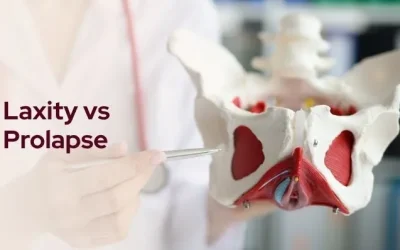
Vaginal Laxity vs Pelvic Organ Prolapse: What Is the Real Difference?
Loose tissue or an organ shifting? Dr. Jay Mehta, Mumbai, explains how vaginal laxity differs from pelvic organ prolapse and how each is treated.

Can Pelvic Floor Exercises Really Improve Vaginal Laxity?
Kegels help vaginal laxity — but only the muscular part. Dr. Jay Mehta explains what pelvic floor exercises can and can’t fix, and what to do next.

Is Vaginal Looseness After Delivery Permanent or Temporary?
Vaginal laxity after delivery often improves in 6–12 months but not always. Know when it won’t resolve on its own & your options at Ahalya Gynecology, Mumbai.

Vaginal Tightening Treatment: Causes, Symptoms, and the Best Solutions
Vaginal laxity after delivery is common and treatable. Know the causes, difference from prolapse & non-surgical options at Ahalya Cosmetic Gynecology, Mumbai.

Is It Normal to Have White Discharge Every Day?
Daily white discharge is normal for most women, but texture, smell and colour matter. Learn what’s healthy and what needs attention. Ahalya, Mumbai.

Why Does Discharge Get Thick and Clumpy?
Thick white discharge is normal after ovulation but clumpy, itchy discharge means yeast. Know the difference & when to see a doctor. Ahalya Gynecology, Mumbai.
Book Appointment
