


Do Non-Surgical Vaginal Tightening Results Really Last?
The honest answer is: yes, for the right candidate, but not indefinitely, and not without some maintenance.
I’m Dr. Jay Mehta, Chief Gynecologist at Ahalya Cosmetic Gynecology Clinic, and this is the question I get asked more than almost any other when patients come in considering non-surgical vaginal tightening treatment in Mumbai. It’s a fair question, because a lot of what’s online oversells this, and I’d rather you walk in with realistic expectations than a disappointing surprise six months later.

DR JAY MEHTA
Key Takeaways
- Non-surgical tightening treatments do produce real, measurable tissue change, not just a placebo effect
- Results typically last 12 to 24 months before some fading occurs, not permanently
- They work best for mild to moderate laxity, not significant cases
- Maintenance sessions are part of the plan, not a sign the first treatment failed
- Surgery remains the better option when laxity is more advanced
What Exactly Are Non-Surgical Vaginal Tightening Treatments?
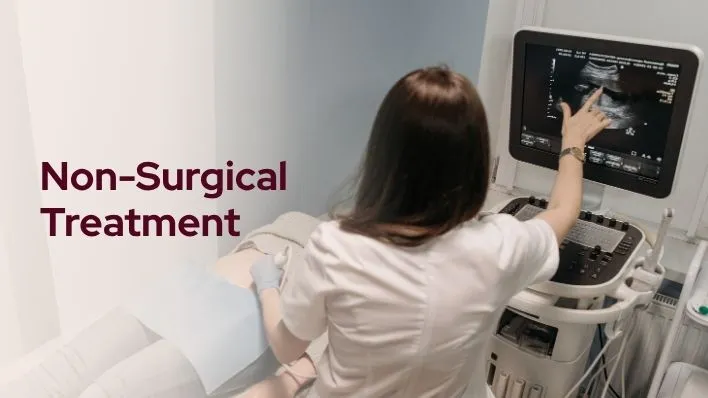
These are outpatient procedures that use controlled heat energy, either radiofrequency or laser, to stimulate the vaginal tissue without any incisions. No surgery, no stitches, no general anesthesia.
- The two main technologies I use in practice are radiofrequency devices (like Morpheus8V) and laser-based systems, both grouped under Vaginal Tightening Treatment in Mumbai.
- Sessions typically take 20 to 30 minutes and patients go home the same day.
- Unlike surgery, there’s no cutting or reshaping of tissue involved. The treatment works by triggering the body’s own repair response.
TALK TO US
GET IN TOUCH ON
How Do These Treatments Actually Work on the Tissue?
The heat delivered during treatment causes controlled micro-injury to the deeper vaginal tissue layer, which triggers your body to produce new collagen. Collagen is what gives tissue its firmness and elasticity.
- This process, called collagen stimulation therapy, doesn’t happen instantly. It unfolds over weeks as your body rebuilds tissue.
- The result is gradually tighter, more elastic vaginal walls, which is why patients don’t see full results after a single session.
- In my experience, most women notice initial change within two to three weeks, with continued improvement over two to three months.
Do the Results Actually Last, or Fade Quickly?
This is the real question behind the topic, and the honest answer is that results are genuinely long-lasting for most patients, but they are not permanent, and expecting them to be sets you up for disappointment.
- Clinics commonly report vaginal tightening results lasting 12 to 24 months before a noticeable decline, based on how long the newly stimulated collagen remains active before natural aging catches up.
- I want to be transparent here: the U.S. FDA has specifically noted that long-term efficacy data for energy-based vaginal rejuvenation devices, across the industry, is still limited compared to more established procedures.
- A 2023 evidence review published through the U.S. National Library of Medicine’s PubMed Central archive walks through exactly this gap in the research, including the FDA’s original 2018 warning, if you want to see the underlying studies for yourself. That doesn’t mean the treatment doesn’t work. It means the “how many years” claims you see online are often more confident than the actual research currently supports.
- Factors like a subsequent pregnancy, significant weight change, or natural aging can shorten how long results hold.
- What I tell patients honestly: think of this as a treatment you maintain, similar to how you’d think about skin collagen treatments, not a one-time permanent fix.
Who Is Actually a Good Candidate for This?
The best candidates have mild to moderate vaginal laxity and realistic expectations about what the treatment can and can’t do.
- If your laxity is mild to moderate, non-surgical options usually deliver a meaningful, satisfying improvement.
- If you have significant laxity, particularly after multiple vaginal deliveries, non-surgical treatment alone often won’t get you to where surgery would.
- You should be in general good health, not pregnant, and not dealing with active vaginal infection at the time of treatment.
- If your main concern is pain during sex rather than looseness, this treatment isn’t the right starting point. That usually points toward vaginal atrophy or another cause that needs its own evaluation.
How Is Effectiveness Assessed Before and After Treatment?
I assess laxity through a pelvic exam before treatment and use that same baseline to measure real change afterward, rather than relying on how a patient simply feels.
- Before treatment, I check tissue tone, genital hiatus width, and pelvic floor muscle strength.
- I use the same measurements at follow-up visits so we’re comparing actual tissue change, not just impressions.
- This matters because patient-reported “it feels better” and objectively measured tissue change don’t always move together, and both are worth tracking honestly.
What Do the Sessions and Recovery Actually Involve?
Most patients need a course of two to three sessions spaced a few weeks apart, with essentially no downtime between them.
- Each session takes about half an hour, done in-clinic with topical numbing if needed.
- Mild warmth or tingling during treatment is normal. Any discomfort typically resolves right after the session ends.
- You can resume normal activities, including work, the same day. Most clinics recommend waiting a short period before resuming intercourse, which I’ll specify based on your individual response.
Non-Surgical vs Surgical: When Does Each Make Sense?
The honest way to think about this isn’t “which is better,” it’s “which matches how much correction you actually need.”
I’ve written a more detailed side-by-side on the difference between vaginal tightening and vaginoplasty if you want the fuller picture before or after the table below, including cost and downtime differences.
And if surgery is even a possibility you’re weighing, how long a vaginoplasty’s results actually last is worth reading alongside this comparison.
|
Non-Surgical (RF/Laser) |
Surgical (Vaginoplasty) |
|
Best for mild to moderate laxity |
Best for moderate to significant laxity |
|
No downtime, same-day recovery |
4 to 6 weeks recovery |
|
Results build gradually, last 12 to 24 months |
Results are structural and more permanent |
|
Repeat sessions needed for maintenance |
One-time correction, no maintenance sessions |
|
No anesthesia required |
Requires anesthesia |
- If you’ve had one or two vaginal deliveries and your laxity is moderate, non-surgical is often the sensible first step.
- If you’ve had multiple deliveries, or non-surgical treatment previously gave you limited improvement, surgery is usually the more effective route.
- I don’t default patients to whichever option is more common. I match the treatment to what the exam actually shows.
What Happens If It Doesn’t Work as Expected?
If results fall short after a full course, the next step is re-evaluation, not just repeating the same treatment blindly.
- Sometimes the issue is that the laxity was more advanced than non-surgical treatment can address, which points toward surgical correction.
- Sometimes an additional session or two, spaced properly, gets you to where you expected to be.
- I schedule a review appointment specifically to have this conversation honestly rather than assuming the first plan was automatically right.
How Do I Maintain Results Long-Term?
Maintenance usually means a single follow-up session roughly once a year, along with consistent pelvic floor exercises in between.
- Annual or biannual maintenance sessions are common practice to keep collagen production active.
- Regular pelvic floor exercises support the muscular side of tightness, which works alongside the tissue-level changes from treatment.
- Avoiding significant weight fluctuation and being mindful of chronic straining (heavy lifting, chronic coughing) helps preserve results longer.
Ready to review your history and options in person? Call 1800-268-4000 now to schedule your consultation at Ahalya Cosmetic Gynecology Clinic.
Final Thoughts
Non-surgical vaginal tightening treatments genuinely work for the right patient, and the tissue-level change they produce is real, not just marketing. What they aren’t is permanent or universally suited to every degree of laxity.
Knowing that upfront, rather than being told otherwise and finding out later, is what lets you make a decision you’ll actually be satisfied with.
If this is something you’ve been considering quietly, you don’t have to keep guessing on your own.
Medical Disclaimer: This content has been reviewed by medical professionals and is intended for general educational purposes only. It does not replace personalised medical advice, diagnosis, or treatment from a qualified healthcare professional.
If you are considering non-surgical vaginal tightening, consult a qualified gynaecologist to determine whether it is suitable for you. book appointments.
Frequently Asked Questions (FAQs)
1. Does vaginal tightening treatment really work, or is it mostly marketing?
It does produce real, measurable tissue change through collagen stimulation, though results vary by individual and by how much laxity you’re starting with.
2. How many sessions of vaginal tightening are needed?
Most patients need two to three sessions, though the exact number depends on your baseline laxity and how your tissue responds.
3. Is non-surgical vaginal tightening as effective as surgery?
No, not for significant laxity. It’s genuinely effective for mild to moderate cases, but surgery produces a more structural, longer-lasting correction for advanced laxity.
4. Is the procedure painful?
Most patients describe mild warmth or tingling rather than significant pain, and topical numbing is used if needed.
5. Can I combine non-surgical treatment with pelvic floor exercises?
Yes, and I actively recommend it. Exercises strengthen the muscle layer while treatment addresses the tissue layer, and together they tend to give better results than either alone.
6. Will insurance cover non-surgical vaginal tightening?
Generally no, since this is typically classified as an elective procedure rather than a medically necessary treatment, though this can vary, so it’s worth confirming with your specific provider.
7. Can I get this treatment if I'm still breastfeeding?
I generally recommend waiting until you’ve finished breastfeeding and your hormone levels have stabilized, since tissue response during that period can be less predictable.
8. Does the treatment help with mild urinary leakage too?
Some patients report improvement in mild stress incontinence alongside tightening, since the treatment also affects the anterior vaginal wall, though it isn’t a dedicated incontinence treatment.
9. How soon can I have sex after a session?
Most patients can resume intercourse within a day or two, though I confirm the exact timeline with you individually based on how you’re feeling.
10. What's the actual cost for non-surgical vaginal tightening in Mumbai, and is it a one-time cost?
It’s typically priced per session, with the full course and any future maintenance sessions adding to the total, and I go through exact figures during your consultation once I know your treatment plan.
Related Blogs

When Vaginal Itching Needs a Doctor’s Visit?
Itching isn’t always an infection. Mumbai’s Dr. Jay Mehta explains the real causes, and when self-treatment isn’t the right approach.

Surgical Treatment for Perineal Endometriosis: Wide Excision Explained
A painful lump that worsens with your period isn’t ordinary scar pain. Mumbai’s Dr. Jay Mehta explains diagnosis and when excision is needed.
Book Appointment
