


Is Normal Delivery Possible with a Fistula?
Today, I want to walk you through what I’ve learned from years of experience, so you can understand your options and feel empowered about your health.

DR JAY MEHTA
What Exactly Is a Fistula?
These can form after a prolonged and difficult labor, particularly when urgent intervention or access to expert care is delayed. Other causes include surgical injuries, certain infections, or health conditions like Crohn’s disease. The result is often involuntary leakage of urine or stool, a condition that can deeply impact both physical comfort and emotional well-being.
Women searching for compassionate, science-backed solutions often seek answers at leading centers like the Cosmetic Gynecology Clinic in Mumbai, where not only advanced treatment is available but empathy and guidance are priorities.
How a Fistula Affects Pregnancy and Delivery?
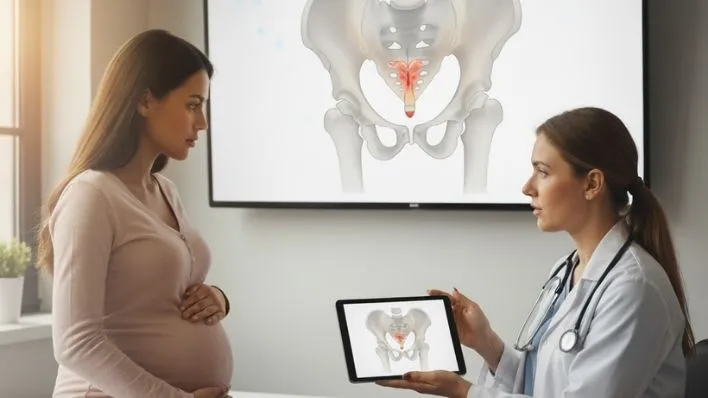
During vaginal birth, tremendous pressure is placed on the pelvic region. For women with an existing fistula, this can widen the opening or create new damage. For those who have undergone successful fistula repair, childbirth can risk reopening the healed areas due to the limited stretchability of scar tissue.
As someone who works closely with patients at an Intimate Medicine Clinic in Mumbai, I’ve seen how emotional and difficult this possibility can be. Recurrence after so much recovery is truly distressing, which is why every decision about delivery must be cautious and individually tailored.
TALK TO US
GET IN TOUCH ON
Is a Normal Delivery an Option?
First, the type and location of the fistula matter significantly. Small, simple fistulas may theoretically present less risk during a vaginal birth, while complex ones (especially those involving the rectum or urethra) create a much higher risk of complications.
If you’ve had a successful fistula repair, it’s essential to remember that scar tissue doesn’t stretch as much as healthy tissue and is therefore much more likely to tear under the stress of active labor. Many specialists, including renowned experts like Dr. Jay Mehta Gynecologist in Mumbai , commonly advise women to avoid vaginal delivery if they’ve had a repair in the past.
Research and clinical expertise both support a conservative approach. While a few studies document safe vaginal deliveries for select women, the overall consensus strongly leans toward caution. There is a proven, higher risk for recurrence of a fistula, severe tearing, and even stillbirth when opting for a normal delivery, compared to a planned caesarean section. That is why many specialists offering Obstetric Fistula Repair in Mumbai emphasize planned C-section as the safer choice to protect both mother and baby.
The Safest Path Forward: Expert Recommendations
A C-section allows the baby to be delivered safely through the abdomen, bypassing the pelvic floor and reducing stress on any vulnerable or repaired tissues. This approach is particularly advised when managing complex cases at specialized facilities like a Cosmetic Gynecology Clinic in Mumbai, where the best technology and surgical support are readily available.
Before Conception
If you have a history of fistula and wish to become pregnant, your first step should be a candid conversation with a qualified doctor. Together, you can review the details of your fistula, discuss your health, and outline the safest strategy for both conception and delivery.
During Your Pregnancy
Regular antenatal check-ups are essential for monitoring both your health and your baby’s development. By planning a scheduled C-section, you and your care team can avoid unnecessary risks and be fully prepared for the birth. Choosing a fully equipped hospital with experience in handling fistula-related pregnancies—such as those affiliated with the Intimate Medicine Clinic in Mumbai—ensures both safety and peace of mind.
Life After Delivery
Preventing fistula is the ultimate goal: timely emergency care during labor, broad access to skilled birth attendants, and attention to early risk factors like nutrition and child marriage all play major roles in keeping women safe. For more insights, you can explore our blog on Doctor’s Guide: Preventing Obstetric Fistula
Frequently Asked Questions (FAQs)
1. Can a fistula heal without surgery?
2. What are the signs that a fistula may have recurred after delivery? fistula?
3. Can women breastfeed safely after a C-section for fistula management?
4. Are there lifestyle changes I can make to prevent fistula recurrence?
5. How soon can I try for another pregnancy after a C-section due to fistula?
Conclusion
Don’t hesitate to consult with an experienced specialist—like Dr. Jay Mehta’s dedicated team at Ahalya Cosmetic Gynecology Clinics in Mumbai—to discuss your medical history, concerns, and hopes for childbirth. The right information, empathetic support, and specialized care will empower you to make the best decisions for yourself and your family. Your strength is inspiring, and with proactive steps, you can embrace motherhood with confidence, health, and peace of mind.
Related Blogs

When Vaginal Itching Needs a Doctor’s Visit?
Itching isn’t always an infection. Mumbai’s Dr. Jay Mehta explains the real causes, and when self-treatment isn’t the right approach.
Surgical Treatment for Perineal Endometriosis: Wide Excision Explained
A painful lump that worsens with your period isn’t ordinary scar pain. Mumbai’s Dr. Jay Mehta explains diagnosis and when excision is needed.
Best Gynecologist for Recurrent Genital Infections in Mumbai
Recurring symptoms aren’t always the same infection. Mumbai’s Dr. Jay Mehta explains why, and what actually needs re-evaluating.
Can Perineal Endometriosis Come Back After Surgery?
Yes, but the odds favour most patients. Mumbai’s Dr. Jay Mehta explains what actually drives recurrence, and how to lower your risk.
Does Perineal Endometriosis Always Need Surgery?
No, not always. Mumbai’s Dr. Jay Mehta explains when hormonal therapy can work, and when surgery becomes the better option.
How to Find a Menopause Specialist Who Understands GSM Treatments
Look beyond hot flashes. Mumbai’s Dr. Jay Mehta explains what a good GSM consultation should cover, and the questions worth asking.

Can Vaginal Itching Without Discharge Really Be a Skin Condition?
Vaginal itching without discharge can be caused by skin irritation, dryness, eczema or other conditions. Know the causes, treatment and warning signs.

Why Do Postmenopausal Women Experience Vaginal Itching Without Infection?
Yes, declining estrogen alone can cause itching after menopause. Mumbai’s Dr. Jay Mehta explains why, and what actually helps.
Is Vaginal Itching After Sex Always Due to an Infection?
No, it’s not always an infection. Mumbai’s Dr. Jay Mehta explains how friction, allergies and pH shifts can all cause itching too.

Can Laundry Detergent Cause Chronic Vaginal Itching?
Yes, detergent is an overlooked cause of vaginal itching. Mumbai’s Dr. Jay Mehta explains why it’s mistaken for infection, and the fix.
Book Appointment
