


A Doctor’s Guide to Preventing Obstetric Fistula
As a doctor with years of experience in women’s health, I’ve witnessed just how profoundly childbirth complications can shape a woman’s life. Among these, obstetric fistula stands out as one of the most heartbreaking—yet absolutely treatable—conditions. Too often, this topic is avoided, leaving affected women feeling isolated, when in reality, open discussions can empower them to seek care.
Beyond the physical impact, obstetric fistula can cause significant social isolation. In this post, I want to break the silence—explaining what obstetric fistula is, why it happens, and the steps we can take together toward treatment and prevention. If you’re looking for answers or support, you’re in the right place; I’m here to guide you with insights based on trusted medical knowledge and real-life experience.

DR JAY MEHTA
What Causes an Obstetric Fistula?
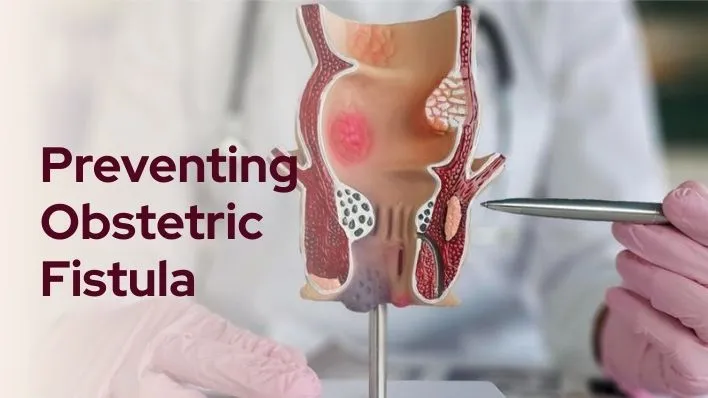
Obstetric fistula develops when a hole forms between the birth canal and either the bladder or rectum. This often happens as a result of prolonged and difficult labor, which goes unrelieved because of limited medical intervention.
Imagine labor beginning, but the baby is unable to move through the birth canal. This could be due to the baby’s size or position, or if the mother’s pelvis is narrow. When labor is stalled for hours or even days without a C-section or other intervention, the pressure from the baby’s head reduces blood flow to delicate pelvic tissues. Without oxygen, the tissue starts to break down, resulting in the development of a hole—a fistula—between the birth canal and the bladder or the rectum.
If that hole is between the bladder and vagina, the woman can no longer control the flow of urine (vesicovaginal fistula). If it’s between the rectum and vagina, it results in leakage of feces (rectovaginal fistula). Both situations can cause distress, social stigma, and heartbreaking experiences of exclusion or even rejection by family and community.
If you are searching for the best cosmetic gynaecologist in Mumbai, it’s reassuring to know that highly trained specialists exist who also manage complex conditions like fistula, ensuring holistic gynecological and reconstructive care.
Who Is Most at Risk?
While any woman can face a challenging labor, certain factors make obstetric fistula more likely. Limited access to emergency obstetric care is the largest risk. In rural or underserved regions, reaching a skilled healthcare provider in time might be impossible, increasing the danger of extended labor.
Young mothers are particularly at risk. Girls who give birth in their teens may have smaller, immature pelvises, making delivery more complicated and sometimes impossible without surgical help. Chronic malnutrition can also restrict pelvic growth. Cultural traditions that promote early marriage and childbearing further increase these risks.
Underlying it all is poverty, which affects access to education, family planning, nutrition, and most importantly, timely, high-quality healthcare. If you’re consulting a cosmetic gynecology expert in Mumbai, you’ll find that awareness and education about these risk factors are part of holistic women’s health consultations.
TALK TO US
GET IN TOUCH ON
Recognizing the Symptoms
The hallmark symptom of an obstetric fistula is the continuous leakage of urine or feces from the vagina after childbirth. Sometimes this begins right after a hard labor, while in other cases it may take a few days.
Women may also notice frequent urinary tract infections, kidney infections, painful skin sores from constant wetness, and a persistent, unpleasant odor. Nerve damage from prolonged labor may cause weakness or numbness in the legs.
It’s very important to acknowledge the emotional challenges. Many women dealing with obstetric fistula struggle with isolation, deep shame, depression, and loss of community life. Understanding these complex effects helps us provide compassionate, patient-centered care.
How Is an Obstetric Fistula Diagnosed?
Diagnosis starts with listening closely to the woman’s story, particularly if she’s just experienced a long labor followed by incontinence. A careful physical examination helps locate the fistula. Sometimes, we use a colored dye test, which helps confirm if there’s a connection between the bladder and vagina (vesicovaginal fistula). For particularly complex cases, imaging investigations like X-rays or MRI might be needed for a complete understanding before treatment.
If you are seeking Obstetric Fistula Repair in Mumbai, the first step is reaching out to a hospital or clinic that specializes in pelvic reconstructive and urogynecologic surgery. Early diagnosis leads to better outcomes and faster recovery.
Hope Through Treatment
The best news is that obstetric fistula is treatable. Surgical repair, performed by a highly trained surgeon, closes the hole and allows the tissue to heal. With modern surgical approaches, more than 90% of women have their continence, dignity, and hope restored.
After the procedure, a catheter may be temporarily placed to promote healing. Recovery includes not just physical care but also emotional support and sometimes physiotherapy to build back strength. For women with complex or repeat injuries, advanced procedures and ongoing care offer further improvement.
A cosmetic gynecology expert in Mumbai can discuss advanced surgical techniques and post-operative care, ensuring compassionate support tailored to each patient’s journey.
Prevention Is the Ultimate Goal
Repairing injuries is crucial, but the real victory is in prevention. We can prevent most cases of obstetric fistula by:
- Delaying the age of first pregnancy: Supporting girls to finish their education and delay marriage gives their bodies time to fully mature, lowering their risk.
- Ending harmful traditions: Educating about the dangers of early marriage and childbirth reduces the number of young girls exposed to life-altering complications.
- Ensuring skilled birth attendance: Every woman should have access to a trained healthcare professional for delivery and emergency support, like C-sections, so labor does not become prolonged or obstructed.
Education programs, improvements in nutrition, and better access to family planning are essential. Awareness campaigns about obstetric fistula, maternal health, and women’s rights all play a part in prevention.
Do’s and Don’ts to Support Women’s Health
- Do attend all prenatal checkups so potential problems can be identified early.
- Do plan your delivery with a skilled medical team at a hospital or clinic whenever possible.
- Don’t ignore prolonged or difficult labor. Seek help immediately if things are not progressing.
- Do champion education for girls in your family and community.
- Don’t shun or stigmatize women living with incontinence. Kindness can change lives—and help women access medical care.
Obstetric fistula is a tragic but preventable condition, and every woman deserves a life of dignity and wellness. As practitioners, we must lead the way in awareness, prevention, and the highest-quality patient care. Remember: with timely intervention, recovery and a return to normal life are possible.
If you or a loved one are experiencing symptoms of an obstetric fistula after childbirth, please do not hesitate to reach out for help. Early diagnosis and the right treatment can make all the difference. Talk to your healthcare provider or connect with a specialist today. You deserve expert, compassionate care—don’t wait in silence when solutions and support are available.
If you would like to learn more about how fistulas can influence pregnancy paths, check out our detailed blog: Can a Fistula Affect Your Pregnancy Journey?
Frequently Asked Questions (FAQs)
1. Can obstetric fistula recur after surgery?
Yes, there is a small risk of recurrence, especially in cases with complex injuries or inadequate healing. Regular follow-ups and proper post-surgical care can greatly reduce this risk.
2. Are there non-surgical treatments for obstetric fistula?
While minor fistulas might close with prolonged catheterization in rare cases, surgery is the gold standard for lasting and complete repair.
3. Is obstetric fistula common in developed countries?
Obstetric fistula is rare in developed countries due to timely access to emergency obstetric care, like C-sections, skilled birth attendants, and improved maternal health systems.
4. Can women with a history of obstetric fistula have normal pregnancies in the future?
With successful repair and proper prenatal care, many women go on to have healthy pregnancies. Delivery via planned C-section is often recommended to prevent recurrence.
5. How can family and friends support someone undergoing treatment for obstetric fistula?
Emotional support, encouragement to attend medical appointments, assistance with daily tasks, and helping reduce stigma are invaluable during recovery.
Conclusion
Obstetric fistula is more than just a medical condition—it is a reminder of the urgent need for accessible, respectful, and timely maternal healthcare. While its impact can be devastating, it is important to remember that this condition is both preventable and treatable. With awareness, early intervention, and expert surgical care, women can reclaim their health, dignity, and quality of life.
For advanced treatment and personalized guidance, you can Connect with Dr Jay Mehta leading cosmetic gynecology expert in Mumbai, who is dedicated to restoring health, confidence, and dignity through compassionate care.
Related Blogs

When Vaginal Itching Needs a Doctor’s Visit?
Itching isn’t always an infection. Mumbai’s Dr. Jay Mehta explains the real causes, and when self-treatment isn’t the right approach.

Surgical Treatment for Perineal Endometriosis: Wide Excision Explained
A painful lump that worsens with your period isn’t ordinary scar pain. Mumbai’s Dr. Jay Mehta explains diagnosis and when excision is needed.
Best Gynecologist for Recurrent Genital Infections in Mumbai
Recurring symptoms aren’t always the same infection. Mumbai’s Dr. Jay Mehta explains why, and what actually needs re-evaluating.
Can Perineal Endometriosis Come Back After Surgery?
Yes, but the odds favour most patients. Mumbai’s Dr. Jay Mehta explains what actually drives recurrence, and how to lower your risk.
Does Perineal Endometriosis Always Need Surgery?
No, not always. Mumbai’s Dr. Jay Mehta explains when hormonal therapy can work, and when surgery becomes the better option.

How to Find a Menopause Specialist Who Understands GSM Treatments
Look beyond hot flashes. Mumbai’s Dr. Jay Mehta explains what a good GSM consultation should cover, and the questions worth asking.

Can Vaginal Itching Without Discharge Really Be a Skin Condition?
Vaginal itching without discharge can be caused by skin irritation, dryness, eczema or other conditions. Know the causes, treatment and warning signs.

Why Do Postmenopausal Women Experience Vaginal Itching Without Infection?
Yes, declining estrogen alone can cause itching after menopause. Mumbai’s Dr. Jay Mehta explains why, and what actually helps.

Is Vaginal Itching After Sex Always Due to an Infection?
No, it’s not always an infection. Mumbai’s Dr. Jay Mehta explains how friction, allergies and pH shifts can all cause itching too.

Can Laundry Detergent Cause Chronic Vaginal Itching?
Yes, detergent is an overlooked cause of vaginal itching. Mumbai’s Dr. Jay Mehta explains why it’s mistaken for infection, and the fix.
Book Appointment
