


Can Recurrent Infections in the Vagina Actually Lead to Infertility?
Hello, I’m Dr. Jay Mehta, a specialist in Reproductive Medicine and Cosmetic Gynecology, serving patients across Mumbai at Ahalya Clinic. Many women visit me concerned about a history of infections and whether this could jeopardize their dream of starting a family. It’s a completely understandable fear.
Let me assure you, while a simple, isolated yeast infection (Candidiasis) is almost never a threat, the danger lies in recurrent, chronic, or aggressive infections that are allowed to travel beyond the vagina.
My purpose here is to give you a clear, honest, and compassionate perspective on this crucial aspect of women’s reproductive health and the potential for difficulty conceiving.

DR JAY MEHTA
How Does a Simple Vaginal Infection Become a Risk to My Fertility?
The body’s natural defense system relies on a healthy vaginal environment to keep the reproductive system safe.
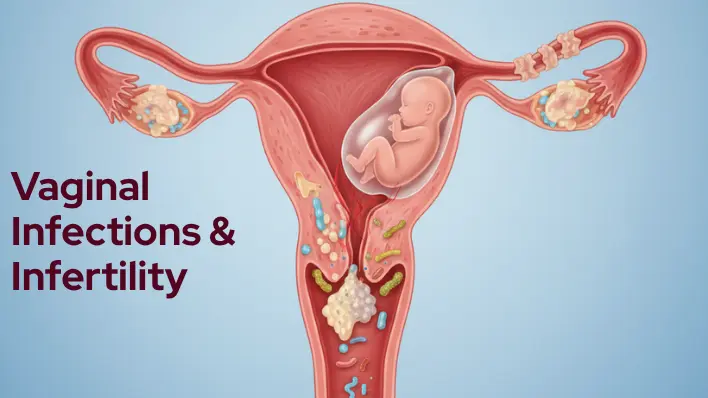
When this environment is compromised by persistent harmful bacteria—a condition known as dysbiosis—the infection can ascend, moving upward from the vagina through the cervix into the delicate upper reproductive organs. This upward migration is the direct pathway to Pelvic Inflammatory Disease (PID).
PID is a serious condition where the bacteria cause widespread inflammation in the uterus (endometritis, or infection of the uterine lining) and, most critically, in the fallopian tubes (salpingitis, or tube infection).
As your immune system attempts to clear this infection, it leaves behind significant scar tissue and adhesions. Think of the fallopian tubes as fine, delicate tunnels; this scarring can partially or completely block them, preventing the egg and sperm from meeting.
This damage is medically referred to as tubal factor infertility—a major, non-reversible cause of challenges getting pregnant that often necessitates advanced fertility treatments like IVF. Addressing the root cause early is key to preserving future options.
Which Infections Can Affect Pregnancy Plans?
It’s essential to distinguish between a minor irritation and a fertility risk. The specific pathogens and conditions that pose the greatest long-term threat are those that can successfully travel and colonize the upper reproductive tract:
Bacterial Vaginosis (BV) is the most common vaginal infection and, while not directly causing PID in every case, it drastically raises the risk. BV creates a vulnerable environment by replacing the protective Lactobacilli with harmful bacteria, making it much easier for other pathogens to ascend and cause serious damage.
Its presence is often a gateway to chronic vaginal infections and more serious complications impacting reproductive capacity.
Many patients also ask: How Long Does Bacterial Vaginosis (BV) Last? In most cases, with proper treatment, BV improves within a few days, but recurrence is common if underlying triggers are not addressed — which is why timely care and follow-up are essential.
Sexually Transmitted Infections (STIs), particularly Chlamydia trachomatis and Neisseria gonorrhoeae, are silent destroyers of fertility.
A key risk factor is that these infections are often asymptomatic in women, meaning they can progress unnoticed for months or years, rapidly causing irreversible scarring in the fallopian tubes and potentially leading to a dangerous ectopic pregnancy.
This is why regular screening is non-negotiable for sexually active women aiming to protect their fertility status.
Finally, Chronic Cervicitis, or long-standing inflammation of the cervix, can alter the consistency of the cervical mucus.
This mucus acts as a filter and pathway for sperm, and when its quality is compromised by inflammation, it can become hostile, inhibiting the sperm’s ability to reach the egg, leading to increased difficulty conceiving.
TALK TO US
GET IN TOUCH ON
How Do Doctors Check for Old Infection Damage?
If you have a history of recurrent infections or have been attempting to conceive without success, a specialist will recommend a precise, step-by-step diagnostic journey to assess the integrity of your reproductive organs.
The initial step involves a detailed Pelvic Examination and Microbiological Swabs to rule out any current infections (like BV or active STIs) using advanced lab techniques. This ensures the immediate problem is addressed.
Next, a Transvaginal Ultrasound is performed. While excellent for visualizing the uterus and ovaries, it can also provide indirect evidence of past PID, such as detecting hydrosalpinx—a telltale sign of a swollen, fluid-filled, and likely blocked fallopian tube.
The most definitive test for assessing the physical damage caused by past infections is the Hysterosalpingogram (HSG). This X-ray procedure involves injecting a medical dye through the cervix.
The flow of the dye allows us to visualize the inside of the uterus and confirm whether the fallopian tubes are open and patent, or scarred and blocked. This procedure might cause some mild cramping, similar to menstrual discomfort, but it provides us with the definitive answers needed to chart your path forward.
In specific, complex cases, a Laparoscopy (minimally invasive keyhole surgery) may be required. This allows for direct, visual inspection of the tubes and surrounding organs to assess the extent of adhesions and to plan necessary surgical interventions.
For infection-related fertility concerns, consult a Gynec Surgeon in Mumbai for clear evaluation and guidance. Book your appointment today.
What Treatments Can Restore Fertility After Infection Damage?
The treatment plan is always tailored to the extent of the tubal damage and your individual reproductive goals.
If the infection is still active, the priority is immediate and aggressive Targeted Antibiotic Therapy to completely eradicate the bacteria and prevent any further scarring. This is often followed by strategies to rebuild the healthy vaginal microbiome.
For cases where the tubes are severely scarred, damaged, or completely blocked—a situation most commonly identified as tubal factor impaired fertility—the most successful treatment is often In Vitro Fertilization (IVF).
IVF expertly bypasses the damaged tubes by fertilizing the egg and sperm in a controlled lab environment and placing the resulting healthy embryo directly into the uterus, offering excellent pregnancy rates. This is a common and successful solution in modern assisted reproductive technology (ART).
In select cases of mild scarring or easily removable adhesions, Fertility-Preserving Laparoscopic Surgery can sometimes be performed to try and restore the function of the tubes, although this success is highly dependent on the quality of the tube walls and the extent of the initial damage.
How Can I Prevent Recurrent Infections?
Protecting your fertility requires active, conscious steps, especially concerning the health of your vaginal environment. Prevention is undoubtedly the best medicine in this context.
Focus on maintaining a balanced vaginal microbiome by avoiding disruptive practices like aggressive douching and the use of harsh, scented feminine hygiene products, which strip away the protective Lactobacilli. Always wear breathable clothing, like cotton underwear.
Crucially, Safe Sexual Practices are your first and best defense against fertility-damaging infections. The consistent use of barrier methods like condoms is paramount for preventing STIs—the silent cause of most severe tubal damage.
Furthermore, never ignore symptoms of infection; prompt and complete treatment is the only way to halt the ascending spread of bacteria and prevent the cascade of PID.
Finally, prioritize Annual Gynecology Check-ups. These visits are vital for screening and diagnosing subclinical PID—infections that cause damage without pain or symptoms—before they can permanently compromise your chances of conceiving a child.
Frequently Asked Questions (FAQs)
Q1. If I have recurrent BV, should I automatically worry about my fertility?
Not automatically. Recurrent Bacterial Vaginosis (BV) is frustrating, but it only increases your risk of PID. The best action is to partner with a specialist to manage the recurrence aggressively and discuss fertility checks, like an HSG, if you are planning conception soon.
Q2. Can a pelvic infection affect the quality of my eggs or sperm?
PID primarily affects the fallopian tubes and uterus, not the quality of the eggs within the ovaries. For male partners, some chronic infections can affect sperm quality, but the focus here is generally on the female factor damage caused by PID.
Q3. How soon after I get pregnant should I be screened for a vaginal infection?
Screening for infections like BV or specific STIs is often part of routine prenatal care, especially in the first trimester. Detecting and treating these infections early is vital, as they can potentially increase the risk of preterm birth or miscarriage.
Q4. What is the difference between Salpingitis and Hydrosalpinx?
Salpingitis refers to the active inflammation and infection of the fallopian tube. Hydrosalpinx is the permanent resulting damage where the tube is blocked, dilated, and filled with fluid—a sign of past, chronic damage from salpingitis or PID.
Q5. Can lifestyle changes, like diet or stress reduction, help prevent these recurrent infections?
Absolutely. While not a cure, chronic stress can negatively impact the immune system, and a diet high in processed sugars can disrupt the body’s natural flora balance. Maintaining good overall health, including gut health, is an excellent supportive strategy for minimizing infection recurrence.
Conclusion: Empower Yourself Through Knowledge
Recurrent vaginal infections pose a genuine, yet manageable, risk to your reproductive health primarily through the development of Pelvic Inflammatory Disease. By seeking early diagnosis and specialized treatment, you can significantly mitigate these risks.
Whether we need to treat an active infection, assess past damage, or utilize the advanced cosmetic gynecology solutions in Mumbai available today, modern medicine offers multiple positive pathways to parenthood—even if you have experienced impaired fertility in the past.
Your reproductive health deserves the highest level of expertise and compassionate care. Do not let past concerns become barriers to your future family.
We invite you to contact or visit Me and our expert team at the Ahalya Aesthetic and Cosmetic Gynecology Clinic in Mumbai for a confidential consultation and personalized treatment plan.
Related Blogs

When Vaginal Itching Needs a Doctor’s Visit?
Itching isn’t always an infection. Mumbai’s Dr. Jay Mehta explains the real causes, and when self-treatment isn’t the right approach.
Surgical Treatment for Perineal Endometriosis: Wide Excision Explained
A painful lump that worsens with your period isn’t ordinary scar pain. Mumbai’s Dr. Jay Mehta explains diagnosis and when excision is needed.

Best Gynecologist for Recurrent Genital Infections in Mumbai
Recurring symptoms aren’t always the same infection. Mumbai’s Dr. Jay Mehta explains why, and what actually needs re-evaluating.
Can Perineal Endometriosis Come Back After Surgery?
Yes, but the odds favour most patients. Mumbai’s Dr. Jay Mehta explains what actually drives recurrence, and how to lower your risk.
Does Perineal Endometriosis Always Need Surgery?
No, not always. Mumbai’s Dr. Jay Mehta explains when hormonal therapy can work, and when surgery becomes the better option.
How to Find a Menopause Specialist Who Understands GSM Treatments
Look beyond hot flashes. Mumbai’s Dr. Jay Mehta explains what a good GSM consultation should cover, and the questions worth asking.

Can Vaginal Itching Without Discharge Really Be a Skin Condition?
Vaginal itching without discharge can be caused by skin irritation, dryness, eczema or other conditions. Know the causes, treatment and warning signs.

Why Do Postmenopausal Women Experience Vaginal Itching Without Infection?
Yes, declining estrogen alone can cause itching after menopause. Mumbai’s Dr. Jay Mehta explains why, and what actually helps.

Is Vaginal Itching After Sex Always Due to an Infection?
No, it’s not always an infection. Mumbai’s Dr. Jay Mehta explains how friction, allergies and pH shifts can all cause itching too.

Can Laundry Detergent Cause Chronic Vaginal Itching?
Yes, detergent is an overlooked cause of vaginal itching. Mumbai’s Dr. Jay Mehta explains why it’s mistaken for infection, and the fix.
Book Appointment
