


Can a Yeast Infection Lead to a UTI?
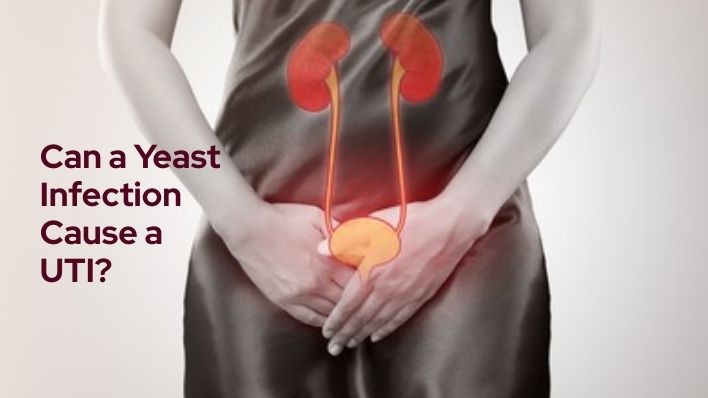
Let me address the core question directly: Can a yeast infection lead to a UTI? Generally, no, a typical vaginal yeast infection (vaginal candidiasis) does not directly cause a standard bacterial UTI.
However, their symptoms often overlap, leading to confusion, and critically, it is very common to get a yeast infection after treating a UTI, or to suffer from both simultaneously.
The intense irritation from the yeast infection can also cause burning when you urinate, which feels exactly like a UTI, even when your urinary tract is perfectly clear.

DR JAY MEHTA
Key Takeaways
- Yeast infections (fungal) and Urinary Tract Infections (UTIs, usually bacterial) are distinct conditions that frequently mimic each other.
- The most common link is indirect: the antibiotics prescribed to treat a bacterial UTI can often trigger a secondary yeast infection by killing off protective vaginal bacteria.
- In rare, specific cases (often in immunocompromised individuals), the Candida fungus can directly cause a fungal UTI (Candiduria).
- Correct diagnosis via professional testing is essential, as the treatments for fungal and bacterial infections are completely different.
- Holistic care, focusing on proper diagnosis, balanced treatment, and lifestyle adjustments, is vital for long-term vaginal health.
TALK TO US
GET IN TOUCH ON
Are Yeast Infections and UTIs Connected?
While they involve adjacent anatomy—the vagina and the urethra—these are fundamentally different types of infections. A Urinary Tract Infection (UTI) is overwhelmingly a bacterial urinary tract infection, usually caused by E.
coli bacteria migrating from the rectum into the urethra. A yeast infection, on the other hand, is a fungal infection caused by the overgrowth of a naturally occurring yeast called Candida albicans.
These organisms require completely separate treatments. The connection, however, is a complex clinical dance where one problem can easily invite the next.
What Causes a Yeast Infection Right After a UTI?
The problem is, these antibiotics are broad-spectrum and don’t discriminate between the harmful E. coli causing the UTI and the helpful Lactobacillus bacteria that maintain a healthy, acidic pH balance in the vagina.
When the good, protective bacteria are wiped out, the Candida fungus, which is naturally present but kept in check, seizes the opportunity. It multiplies rapidly in the newly imbalanced environment, resulting in a secondary, often frustrating, yeast infection.
Consulting a Best Gynecological Surgery Specialist in Mumbai ensures accurate diagnosis, balanced treatment, and preventive guidance to manage both infections effectively while protecting long-term vaginal and urinary health.
How Do You Tell If You Have a Yeast Infection or a UTI?
Self-diagnosis is incredibly difficult because both conditions can cause pain or burning during urination (dysuria). However, as a physician specializing in the unique health needs of women, I urge you to look closely at the primary symptoms, as they point toward the source of the infection:
- Yeast Infection (Fungal):
The cardinal signs are usually external and vaginal: intense itching and irritation of the vulva, noticeable swelling and redness, and the hallmark thick, white, cottage cheese-like vaginal discharge that is typically odorless.
The burning feeling when urinating is often caused by urine touching the highly irritated external tissues. - Bacterial UTI:
The primary signs center on the urinary process: a strong, persistent, and frequent urge to urinate, even when the bladder is empty; passing only small amounts of urine; pain localized inside the urethra or bladder, and sometimes cloudy, dark, or foul-smelling urine.
Because relying solely on symptoms is risky, the diagnostic process requires a urine analysis for a UTI (to check for bacteria and white blood cells) and a vaginal swab or microscopic evaluation of discharge for a yeast infection (to check for fungal spores). Getting the right diagnosis is the non-negotiable first step.

Can Yeast Actually Cause an Infection in the Urinary Tract?
Patients who are immunocompromised, have poorly controlled diabetes, have structural urinary tract abnormalities, or those who have long-term indwelling catheters are most susceptible.
In these cases, the Candida fungus, instead of remaining confined to the vagina, can migrate up the urethra and into the bladder.
If left untreated, a fungal infection can become severe, potentially spreading up to the kidneys, which is why immediate and targeted treatment is essential, particularly for those with underlying health issues. This is where truly comprehensive, specialized medical knowledge makes all the difference.
What Are the Right Treatments for These Infections?
- For Bacterial UTIs:
Treatment involves a course of prescribed antibiotics. It is vital to take the entire course, even if symptoms improve quickly, to ensure the infection is completely eradicated and to help prevent recurrent UTIs. Consulting a Best Urology Treatment in Mumbai specialist ensures the right antibiotic is chosen for effective results.
- For Yeast Infections:
Treatment involves antifungal medication, which can be prescribed as topical creams or vaginal suppositories, or a single oral dose of a medication like fluconazole.
During recovery, especially if you have had an antibiotic-triggered yeast infection, we focus on restoring your natural balance. This can involve recommending probiotics specifically designed for urological health to replenish the good bacteria, alongside adopting smart lifestyle changes.
What Can You Do to Prevent These Common Infections?
- Hydration: Drink plenty of water to help flush bacteria from your urinary system.
- Hygiene: Always wipe from front to back after using the toilet.
- Breathability: Opt for cotton underwear and avoid tight-fitting clothing for long periods, especially in the humid climate of a city like Mumbai, India. Trapped moisture creates the perfect environment for yeast overgrowth.
- Avoid Irritants: Steer clear of scented soaps, sprays, and douches that disrupt the vagina’s delicate pH balance.
- Post-Coital Care: Urinate immediately after intercourse to flush out any bacteria that may have entered the urethra.
Where Can You Find Expert Help and Compassionate Care?
If you are struggling with chronic or confusing symptoms, know that specialized help is available right here. For those seeking expertise in women’s intimate health, including advanced diagnosis and treatment protocols, I’m proud to lead the team at Ahalya Cosmetic Gynecology & Intimate Medicine Clinic.
As the best cosmetic gynaecologist in Mumbai, I ensure that our approach blends scientific accuracy with genuine compassion, addressing everything from infectious diseases to advanced procedures in cosmetic gynecology clinic in mumbai.
Frequently Asked Questions (FAQs)
1. Is it safe to use over-the-counter (OTC) yeast infection treatments before seeing a doctor?
2.Can diet affect my risk of getting a yeast infection?
3. If I have a recurring yeast infection, what other conditions should I be tested for?
4. Does sexual activity increase the risk of both UTIs and yeast infections?
5. What is the difference between a fungal UTI and a kidney infection?
Conclusion
While a fungal infection rarely attacks the urinary tract directly, the indirect relationship—where UTI treatment causes a yeast infection—is extremely common.
The most important lesson is to never guess. If you feel burning, itching, or urgency, please seek professional medical advice to ensure you get the right diagnostic test and the correct medication, restoring your comfort and balance swiftly.
Related Blogs

When Vaginal Itching Needs a Doctor’s Visit?
Itching isn’t always an infection. Mumbai’s Dr. Jay Mehta explains the real causes, and when self-treatment isn’t the right approach.

Surgical Treatment for Perineal Endometriosis: Wide Excision Explained
A painful lump that worsens with your period isn’t ordinary scar pain. Mumbai’s Dr. Jay Mehta explains diagnosis and when excision is needed.

Best Gynecologist for Recurrent Genital Infections in Mumbai
Recurring symptoms aren’t always the same infection. Mumbai’s Dr. Jay Mehta explains why, and what actually needs re-evaluating.

Can Perineal Endometriosis Come Back After Surgery?
Yes, but the odds favour most patients. Mumbai’s Dr. Jay Mehta explains what actually drives recurrence, and how to lower your risk.

Does Perineal Endometriosis Always Need Surgery?
No, not always. Mumbai’s Dr. Jay Mehta explains when hormonal therapy can work, and when surgery becomes the better option.
How to Find a Menopause Specialist Who Understands GSM Treatments
Look beyond hot flashes. Mumbai’s Dr. Jay Mehta explains what a good GSM consultation should cover, and the questions worth asking.

Can Vaginal Itching Without Discharge Really Be a Skin Condition?
Vaginal itching without discharge can be caused by skin irritation, dryness, eczema or other conditions. Know the causes, treatment and warning signs.

Why Do Postmenopausal Women Experience Vaginal Itching Without Infection?
Yes, declining estrogen alone can cause itching after menopause. Mumbai’s Dr. Jay Mehta explains why, and what actually helps.

Is Vaginal Itching After Sex Always Due to an Infection?
No, it’s not always an infection. Mumbai’s Dr. Jay Mehta explains how friction, allergies and pH shifts can all cause itching too.

Can Laundry Detergent Cause Chronic Vaginal Itching?
Yes, detergent is an overlooked cause of vaginal itching. Mumbai’s Dr. Jay Mehta explains why it’s mistaken for infection, and the fix.
Book Appointment
