


Pelvic Floor PT for GSM: Can It Replace Medication?
Menopause brings a host of changes, and for many women, one of the most challenging is the Genitourinary Syndrome of Menopause.
This condition, which includes symptoms like vaginal dryness, painful intercourse, and urinary urgency, can significantly impact your quality of life. Traditionally, treatments have centred around hormonal medications.
But what if there was another way? Many women in Mumbai and across India are now exploring pelvic floor physical therapy as a powerful, non-hormonal approach to managing GSM.
The question we often hear at Ahalya Cosmetic Gynaecology is a crucial one: can physical therapy truly replace medication for GSM? This guide will explore the role of pelvic floor PT, how it works, and whether it could be the right choice for you.

DR JAY MEHTA
Key Takeaways
- GSM is More Than Dryness: It’s a collection of symptoms affecting the vagina, vulva, and urinary system due to lower oestrogen levels.
- Pelvic Floor PT is a Key Player: It addresses the muscular and tissue-related aspects of GSM, improving blood flow, relaxing tight muscles, and alleviating pain.
- It’s Not Always an “Either/Or” Choice: For many women, combining physical therapy with medication or other treatments offers the best results.
- A Specialist’s Guidance is Essential: A personalised approach is crucial for safely and effectively managing GSM.
TALK TO US
GET IN TOUCH ON
What exactly is Genitourinary Syndrome of Menopause (GSM)?
First, let’s understand the condition. GSM is a term used to describe the changes that occur in the vulva, vagina, and lower urinary tract after menopause.
As oestrogen levels decline, the tissues in this area can become thinner, less elastic, and more fragile.
Because this condition is progressive, seeking a specialized
This can lead to a wide range of symptoms, including:
- Vaginal dryness, itching, and burning.
- Pain during sexual intercourse (dyspareunia).
- A feeling of pressure or discomfort.
- Urinary urgency, frequency, and recurrent urinary tract infections (UTIs).
While hormonal creams and tablets are effective for many, they are not suitable or desired by everyone. This is where understanding the role of the pelvic floor muscles becomes critical.
How does the pelvic floor affect GSM symptoms?
Your pelvic floor is a group of muscles that form a supportive sling at the base of your pelvis. These muscles support your bladder, uterus, and bowel.
When GSM sets in, the pain and dryness can cause these muscles to involuntarily tighten—a condition known as hypertonicity.
Think of it as a protective reflex. Your body anticipates pain, so the muscles tense up to guard the area.
Over time, this chronic tension can lead to muscle shortening, reduced blood flow, and the formation of painful trigger points.
This muscular tension can worsen the pain of GSM, creating a challenging cycle of pain and anxiety.
How can pelvic floor physical therapy help with GSM?
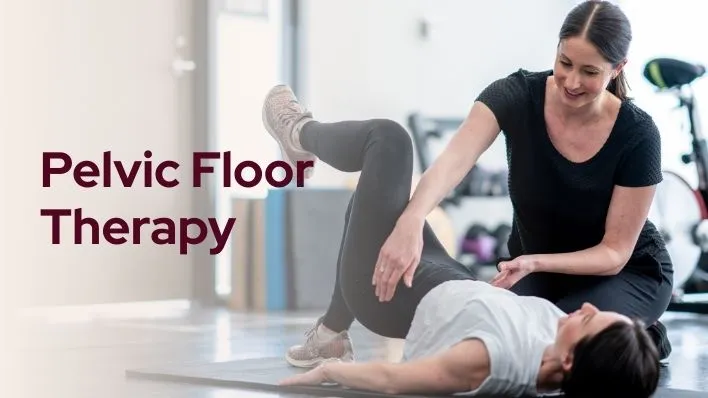
Pelvic floor physical therapy is a specialised form of therapy focused on rehabilitating the pelvic floor muscles.
For GSM, a therapist doesn’t just focus on “strengthening” with Kegels. In fact, for many women with GSM, Kegels can make things worse by further tightening already tense muscles.
Instead, a pelvic floor physiotherapist will create a personalised plan that may include:
- Manual Therapy: Using gentle internal and external techniques to release trigger points, stretch tight muscles, and improve tissue mobility.
- Dilator Therapy: Guiding you on how to use vaginal dilators to gradually stretch the tissues and relax the pelvic floor muscles, making intercourse less painful.
- Biofeedback: Employing sensors to help you learn how to consciously relax and contract your pelvic floor muscles correctly.
- Breathing and Relaxation Techniques: Teaching diaphragmatic breathing to help calm the nervous system and release pelvic tension.
- Therapeutic Exercise: Recommending gentle stretches for the hips, back, and thighs to reduce overall pelvic strain.
By improving blood flow, releasing muscle tension, and retraining the brain-pelvis pain connection, PT can significantly reduce the pain and discomfort associated with GSM.
So, can physical therapy completely replace medication?
However, for many women, a combined approach is most effective.
- PT + Local Oestrogen: This is often the ideal combination. Local oestrogen therapy (creams, pessaries, or rings) helps restore the integrity and moisture of the vaginal tissues.
This makes the manual therapy and dilator work during PT more comfortable and effective. The physical therapy then addresses the muscular pain component that the hormones alone might not fix.
- PT + Laser or RF: For women who cannot or do not wish to use hormones, combining pelvic floor PT with treatments like the MonaLisa Touch laser or radiofrequency can be highly effective.
The energy-based treatments improve tissue health and collagen, while the PT resolves the muscular pain.
Considering your options for GSM treatment in Mumbai? A personalised plan is your best path forward.
At Ahalya Cosmetic Gynaecology, we specialise in creating integrated treatment strategies. Contact our team to discuss if pelvic floor PT is right for you.
How do I find a qualified pelvic floor therapist in Mumbai?
Finding the right therapist is just as important as the therapy itself. This is a highly specialised field. Look for a physiotherapist who has specific postgraduate training in pelvic health or women’s health.
Your gynaecologist or a cosmetic gynaecologist is an excellent resource for referrals. At our clinic, we work closely with trusted pelvic floor therapists in Mumbai to ensure our patients receive seamless, coordinated care.
A good therapist will conduct a thorough assessment, explain their findings clearly, and work at a pace that feels safe and comfortable for you.
What does a typical pelvic floor therapy journey for GSM look like?
Your journey will be unique to you, but it generally follows a pattern:
- Initial Assessment:
A detailed discussion of your symptoms, medical history, and goals. This is followed by a physical examination (both external and internal, with your consent) to assess muscle tone, strength, and identify any trigger points. - Treatment Sessions:
Weekly or fortnightly sessions for about 6-12 weeks, where you will receive manual therapy and be coached on your home exercise programme. - Home Programme:
This is the most critical part. You will be given specific exercises, stretches, and relaxation techniques to practise daily. Consistency is key to progress. - Gradual Progression:
As your pain decreases and control improves, your therapist will progress your programme, perhaps introducing dilators or focusing on returning to pain-free intercourse.
The goal is not just to relieve symptoms but to give you the tools and confidence to manage your pelvic health for the long term.
Frequently Asked Questions (FAQs)
1. What is the recovery time after treatment for GSM?
Recovery time varies depending on the specific treatment chosen. Many patients experience improvements within a few weeks, but it is best to follow Dr. Jay Mehta’s advice and post-treatment care instructions for optimal results.
2. Are the treatments for GSM painful?
Most treatments are designed to be minimally invasive and cause little to no discomfort. Dr. Jay Mehta and the team at Ahalya Cosmetic Gynaecology prioritise patient comfort throughout the process.
3. Is GSM treatment suitable for menopausal women?
Yes, treatments for GSM are particularly effective for menopausal women who often experience symptoms due to hormonal changes. Options like hormonal therapy or laser treatments can be tailored to meet individual needs.
4. Will I need multiple treatment sessions for GSM?
Some treatments may require multiple sessions to achieve the desired results. During your consultation, Dr. Jay Mehta will provide a customised plan outlining the recommended number of sessions.
5. Are the treatments safe for women with pre-existing medical conditions?
Dr. Jay Mehta and the team ensure a thorough medical review before recommending any treatment to ensure it is safe and suitable for you, even if you have pre-existing medical conditions.
Conclusion
So, can pelvic floor physical therapy replace medication for GSM? For a select group of women, it might. But for the majority, it serves as an incredibly powerful partner to other treatments.
It addresses the muscular pain and tension that hormones or laser treatments alone cannot, offering a more holistic and complete solution.
Thinking of your GSM treatment as a team effort—with you, your gynaecologist, and your pelvic floor therapist all working together—is the most effective approach.
This collaboration ensures that both the tissue health and the muscular function of your pelvis are restored, allowing you to return to a life of comfort and confidence.
If you are struggling with the symptoms of GSM and are looking for a comprehensive, empathetic approach to your care, we are here to help.
Contact Dr. Jay Mehta and the team at Ahalya Cosmetic Gynaecology in Mumbai to explore your personalised treatment options.
Related Blogs

When Vaginal Itching Needs a Doctor’s Visit?
Itching isn’t always an infection. Mumbai’s Dr. Jay Mehta explains the real causes, and when self-treatment isn’t the right approach.

Surgical Treatment for Perineal Endometriosis: Wide Excision Explained
A painful lump that worsens with your period isn’t ordinary scar pain. Mumbai’s Dr. Jay Mehta explains diagnosis and when excision is needed.

Best Gynecologist for Recurrent Genital Infections in Mumbai
Recurring symptoms aren’t always the same infection. Mumbai’s Dr. Jay Mehta explains why, and what actually needs re-evaluating.
Can Perineal Endometriosis Come Back After Surgery?
Yes, but the odds favour most patients. Mumbai’s Dr. Jay Mehta explains what actually drives recurrence, and how to lower your risk.

Does Perineal Endometriosis Always Need Surgery?
No, not always. Mumbai’s Dr. Jay Mehta explains when hormonal therapy can work, and when surgery becomes the better option.
How to Find a Menopause Specialist Who Understands GSM Treatments
Look beyond hot flashes. Mumbai’s Dr. Jay Mehta explains what a good GSM consultation should cover, and the questions worth asking.
Can Vaginal Itching Without Discharge Really Be a Skin Condition?
Vaginal itching without discharge can be caused by skin irritation, dryness, eczema or other conditions. Know the causes, treatment and warning signs.

Why Do Postmenopausal Women Experience Vaginal Itching Without Infection?
Yes, declining estrogen alone can cause itching after menopause. Mumbai’s Dr. Jay Mehta explains why, and what actually helps.

Is Vaginal Itching After Sex Always Due to an Infection?
No, it’s not always an infection. Mumbai’s Dr. Jay Mehta explains how friction, allergies and pH shifts can all cause itching too.

Can Laundry Detergent Cause Chronic Vaginal Itching?
Yes, detergent is an overlooked cause of vaginal itching. Mumbai’s Dr. Jay Mehta explains why it’s mistaken for infection, and the fix.
Book Appointment
