


Can a Fistula Cause a Miscarriage?
Navigating the path to parenthood can bring a mix of excitement and apprehension. For women who have experienced or are currently living with an obstetric fistula, this journey often comes with an extra layer of concern.
First, it’s important to clarify what we’re talking about. An obstetric fistula is an abnormal opening between the genital tract and the urinary or intestinal tract. A vesicovaginal fistula is a hole between the bladder and vagina, while a rectovaginal fistula is one between the rectum and vagina.
This injury is typically caused by prolonged, obstructed labour where timely medical help was unavailable. The constant pressure damages the tissue, leading to incontinence and a host of related health issues.
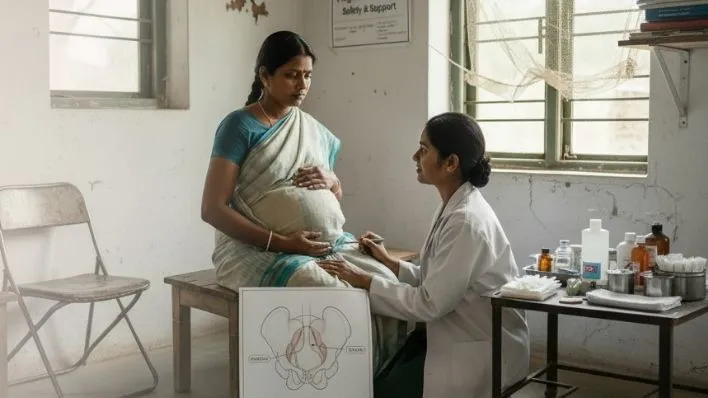

DR JAY MEHTA
The Connection Between Fistulas, Health, and Pregnancy
When we talk about whether a fistula can directly cause a miscarriage, the answer is not straightforward. There isn’t strong medical evidence to suggest that the physical presence of a fistula itself is a direct cause of miscarriage, which is the loss of a pregnancy before 20 weeks. However, the health conditions associated with having a fistula can create an environment that increases the risk of pregnancy complications, including pregnancy loss.
A fistula is more than just a physical hole; it’s a sign of a body that has undergone immense trauma. Women with fistulas often suffer from chronic infections, malnutrition, and other health problems. The urinary tract infections that frequently accompany a fistula can sometimes become severe, leading to kidney infections.
Any serious infection in the body can pose a risk to a developing pregnancy. Your body’s resources are diverted to fighting the infection, which can create a less-than-ideal environment for a pregnancy to thrive.
Furthermore, the initial trauma that caused the fistula—prolonged obstructed labour—can also lead to other issues like uterine scarring or damage to the reproductive organs. While these are not a direct result of the fistula, they are part of the same “obstructed labour injury complex.” These underlying issues can affect fertility and the ability to carry a pregnancy to term.
Does Fistula Repair Surgery Affect Miscarriage Risk?
Many women wonder if the surgery to repair a fistula might affect future pregnancies. Fistula repair surgery is a delicate reconstructive procedure. The goal is to close the abnormal opening and restore normal function. When performed by a skilled surgeon, this surgery has a very high success rate and significantly improves a woman’s quality of life.
The surgery itself is not known to increase the risk of miscarriage. In fact, by resolving chronic infections and improving your overall health, a successful fistula repair can create a healthier environment for a future pregnancy. After the surgical site has fully healed, the uterus is generally just as capable of carrying a pregnancy as it was before.
The primary concern after fistula repair is not miscarriage, but the mode of delivery for a future birth, where a C-section is almost always recommended to protect the repaired tissues.
TALK TO US
GET IN TOUCH ON
Understanding the Broader Picture of Pregnancy Loss
It’s helpful to remember that miscarriages are unfortunately common, with many different causes. Most early pregnancy losses are due to chromosomal abnormalities in the embryo, which are random events and not related to the mother’s health. Other factors, such as hormonal imbalances, maternal age, and certain medical conditions, can also play a role.
While a fistula can contribute to poor overall health that might indirectly impact a pregnancy, it is rarely identified as the primary cause of a miscarriage.
In my experience, addressing the fistula and its related health issues before conception is the best way to prepare your body for a healthy pregnancy. This includes treating any infections, improving your nutritional status, and allowing your body ample time to heal from repair surgery.
What Should You Do if You Have a Fistula and Want to Get Pregnant?
If you have a history of fistula and are planning a family, taking proactive steps is key to ensuring the safest possible outcome for you and your baby.
- Seek Specialised Medical Care: The first and most important step is to consult with a gynaecologist or urogynaecologist who has experience with fistulas. If your fistula is untreated, the priority should be getting it repaired. A successful repair is the foundation for a healthy future.
- Focus on Your Overall Health: Before trying to conceive, work with your doctor to address any lingering health issues. This includes clearing up any chronic infections, adopting a nutritious diet to combat malnutrition, and achieving a healthy weight. A healthier you means a healthier home for your baby.
- Plan for a High-Risk Pregnancy: A pregnancy after a fistula is automatically considered high-risk. This isn’t meant to be scary; it simply means you will receive extra monitoring and care. Your healthcare team will work together to watch over you and your baby closely.
- Prepare for a C-Section Delivery: As we’ve discussed, a planned Caesarean section is the safest method of delivery to protect the repaired fistula site from damage. This will be a core part of your birth plan.
Looking Forward: Life Beyond Fistula
The presence of obstetric fistula indicates gaps in maternal health services, especially in rural and underserved areas. The ultimate goal is prevention, which comes through improving access to skilled medical care, timely emergency services, and education on family planning and childbirth.
If you or someone you love is living with a fistula, know that you are not alone. With expert surgical treatment and coordinated support, healing and returning to normal life is very possible—especially with advances in reconstructive gynecology and supportive care teams.
While a conventional vaginal delivery may not be advisable, that does not mean your dreams of a healthy pregnancy and happy motherhood need to be out of reach. By arming yourself with factual knowledge, seeking reliable experts, and crafting a personalized care plan, you can move forward with confidence.
If you’re considering pregnancy and have a history of obstetric fistula, or if you need compassionate, science-based advice about your options, now is the time to connect with a leading gynecology specialist.
Frequently Asked Questions (FAQs)
1. Can I get pregnant naturally after fistula repair surgery?
Yes. Once healing is complete and your doctor approves, natural conception is usually possible.
2. How long should I wait to get pregnant after fistula surgery?
Wait at least 6–12 months after surgery to allow full healing before trying to conceive.
3. Will a future pregnancy reopen or damage my repaired fistula?
Unlikely. With proper healing and a planned C-section, the repair usually remains intact.
4. Can an untreated fistula affect my ability to conceive?
Yes. Chronic infections and scarring from an untreated fistula can reduce fertility.
5. What kind of emotional support is available for women with fistulas planning pregnancy?
Support groups, counseling, and compassionate medical care can help you cope and prepare confidently.
Conclusion
While the presence of an obstetric fistula and its associated health problems can create challenges, it is not considered a direct cause of miscarriage. The underlying health issues, such as chronic infections and malnutrition, are the more significant concerns. By addressing these problems, repairing the fistula, and working with a dedicated medical team, you can significantly improve your chances of having a healthy pregnancy.
The journey for a woman with a fistula is one of incredible resilience. The physical and emotional scars are real, but so is the possibility of healing and hope. A healthy baby is a realistic goal, and the path to achieving it starts with seeking expert care and taking control of your health.
If you have a history of fistula and are concerned about pregnancy, the most powerful thing you can do is arm yourself with information and support. Your past does not have to dictate your future.
Take the first step towards a healthy pregnancy by scheduling a consultation with a gynaecologist who understands the complexities of fistula care. A personalised plan can be created to guide you safely on your journey to motherhood.
Related Blogs

When Vaginal Itching Needs a Doctor’s Visit?
Itching isn’t always an infection. Mumbai’s Dr. Jay Mehta explains the real causes, and when self-treatment isn’t the right approach.
Surgical Treatment for Perineal Endometriosis: Wide Excision Explained
A painful lump that worsens with your period isn’t ordinary scar pain. Mumbai’s Dr. Jay Mehta explains diagnosis and when excision is needed.
Best Gynecologist for Recurrent Genital Infections in Mumbai
Recurring symptoms aren’t always the same infection. Mumbai’s Dr. Jay Mehta explains why, and what actually needs re-evaluating.
Can Perineal Endometriosis Come Back After Surgery?
Yes, but the odds favour most patients. Mumbai’s Dr. Jay Mehta explains what actually drives recurrence, and how to lower your risk.
Does Perineal Endometriosis Always Need Surgery?
No, not always. Mumbai’s Dr. Jay Mehta explains when hormonal therapy can work, and when surgery becomes the better option.
How to Find a Menopause Specialist Who Understands GSM Treatments
Look beyond hot flashes. Mumbai’s Dr. Jay Mehta explains what a good GSM consultation should cover, and the questions worth asking.

Can Vaginal Itching Without Discharge Really Be a Skin Condition?
Vaginal itching without discharge can be caused by skin irritation, dryness, eczema or other conditions. Know the causes, treatment and warning signs.

Why Do Postmenopausal Women Experience Vaginal Itching Without Infection?
Yes, declining estrogen alone can cause itching after menopause. Mumbai’s Dr. Jay Mehta explains why, and what actually helps.

Is Vaginal Itching After Sex Always Due to an Infection?
No, it’s not always an infection. Mumbai’s Dr. Jay Mehta explains how friction, allergies and pH shifts can all cause itching too.

Can Laundry Detergent Cause Chronic Vaginal Itching?
Yes, detergent is an overlooked cause of vaginal itching. Mumbai’s Dr. Jay Mehta explains why it’s mistaken for infection, and the fix.
Book Appointment
