


Can a Yeast Infection Cause Bleeding?
Key Takeaways
- Bleeding is uncommon but possible: While not a primary symptom, light spotting with a yeast infection is usually due to irritation and tiny tears in fragile vaginal tissue.
- The root cause is inflammation: The yeast overgrowth (Candidiasis) causes significant inflammation, swelling, and extreme itching, leading to tissue damage.
- Diagnosis is crucial: Bleeding warrants a medical consultation to rule out other, potentially more serious conditions like Bacterial Vaginosis (BV) or Sexually Transmitted Infections (STIs).
- Treatment is effective: Antifungal medications (creams, suppositories, or oral pills) successfully clear the infection, and addressing the underlying inflammation helps stop the spotting.
- Emotional care matters: The anxiety associated with abnormal bleeding is real, and compassionate medical support is a vital part of the recovery process.

DR JAY MEHTA
Hello, I’m Dr. Jay Mehta, and as a specialist in intimate health and cosmetic gynecology, I often encounter sensitive patient concerns that cause significant worry.
One question that frequently brings patients to our clinic is: Can a yeast infection cause bleeding? It’s an alarming symptom that can make you fear the worst, but I want to offer immediate clarity and reassurance:
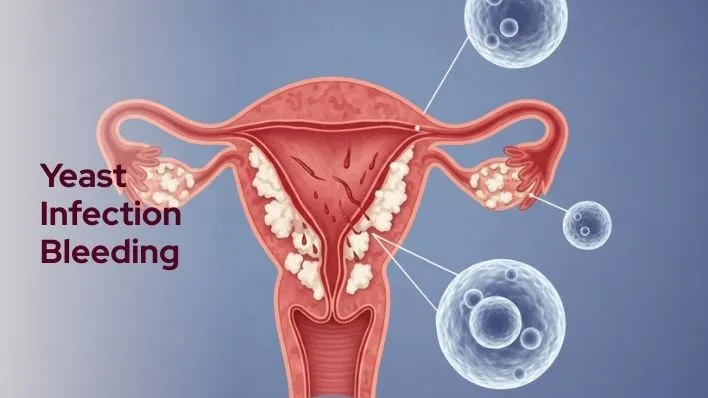
Yes, a vaginal yeast infection can occasionally cause minor bleeding or spotting, but this is typically due to the irritation and tissue damage from the infection itself, rather than the yeast directly attacking blood vessels.
While it is not a normal primary symptom like itching or thick discharge, it does happen and needs careful evaluation to ensure it’s not a sign of something else.
What is a Yeast Infection, and How Does it Affect the Vagina?
A vaginal yeast infection, medically termed vulvovaginal candidiasis, is caused by an overgrowth of a fungus called Candida albicans, which naturally lives in the vagina.
When the natural balance of your vaginal flora is disrupted—perhaps by taking antibiotics, hormonal changes, or a weakened immune system—the Candida fungus can multiply excessively.
This overgrowth leads to a host of uncomfortable symptoms, most notably intense itching, burning, pain during urination, and a thick, white, “cottage cheese-like” discharge. These classic symptoms are important signs your body is fighting this fungal imbalance. The core issue here is severe inflammation.
TALK TO US
GET IN TOUCH ON
Why Might a Yeast Infection Lead to Spotting or Bleeding?
The vagina and vulva tissue are delicate. When they are inflamed, swollen, and red—a process called cervicitis or vaginitis—the tissue becomes extremely fragile.
- Tissue Micro-tears:
The intense, almost unbearable itching associated with a yeast infection can lead to persistent scratching, which causes tiny cuts or micro-abrasions on the sensitive skin of the vulva and vagina. - Inflammation and Friction:
The inflammation itself makes the vaginal lining thin and dry, increasing the risk of small tears upon friction from everyday activities, such as wiping vigorously, inserting a tampon, or sexual intercourse. This typically results in light pink or brown spotting, not a heavy flow. - Severity of Infection:
In complicated or severe, chronic yeast infection cases, the inflammation can be so profound that it leads to surface erosion, where the superficial layers of tissue break down, causing minor bleeding.
How Does a Medical Professional Diagnose the Cause of Bleeding?
When a patient in Mumbai, India, or anywhere in the world, reports vaginal bleeding outside of their menstrual cycle, especially in conjunction with vulvar symptoms, a meticulous diagnostic approach is mandatory.
We must definitively determine if the bleeding is caused by the yeast infection or if it points to a different health issue.
The question “Is it a yeast infection, or is it something else?” guides our steps, and consulting a vaginal health specialist Clinic in Mumbai is often the first and most critical move:
- Detailed Medical History: We first discuss your complete symptom profile, recent antibiotic use, sexual history, and menstrual cycle.
- Pelvic Examination: A thorough visual and physical examination of the vulva and vagina is performed to check for signs of severe inflammation, cuts, sores, or lesions.
- Vaginal Swab (Wet Prep): A small sample of vaginal discharge is collected. This is the gold standard for diagnosis. The sample is examined under a microscope in a procedure called a wet mount to identify the presence of Candida yeast, which appear as budding cells and hyphae.
This simple test is crucial for differentiating between candidiasis, Bacterial Vaginosis (BV), and trichomoniasis, which can also cause similar symptoms like irritation and bleeding.
If the bleeding is heavy, prolonged, or accompanied by severe abdominal pain or fever, further investigation, such as ultrasound imaging, may be necessary to rule out other gynecological conditions.
What Are the Key Treatment Options to Stop the Bleeding?
The good news is that by effectively treating the root cause—the fungal infection and resulting inflammation—the spotting will naturally resolve.
Treatment typically involves:
- Antifungal Medications: These are the primary weapon against the Candida overgrowth. They come in two main forms:
- Topical/Vaginal: Creams or suppositories containing active ingredients like clotrimazole or miconazole, typically used for 3 to 7 days.
- Oral: A single-dose or two-dose regimen of fluconazole, which is highly effective and convenient.
- Addressing Inflammation: In cases with severe inflammation and bleeding, a soothing topical steroid cream might be prescribed briefly alongside the antifungal to calm the irritated tissue and promote healing of the micro-tears.
- Supportive Care: Avoiding irritants like scented soaps, douches, and tight clothing is essential. We often recommend temporary abstinence from sexual activity until the inflammation has completely subsided to prevent further tissue trauma and bleeding.
How Can We Prevent Recurrence and Maintain Vaginal Health?
For long-term well-being, focusing on lifestyle changes is key to preventing the imbalance that allows Candida to flourish. This includes:
- Wear Breathable Fabrics: Opt for cotton underwear and loose-fitting clothing to keep the genital area dry and cool.
- Wipe Front-to-Back: This simple habit prevents transferring bacteria from the rectum to the vagina.
- Probiotics: Consuming foods rich in Lactobacillus (live-culture yogurt) or taking a probiotic supplement can help maintain a healthy balance of bacteria in the gut and vagina.
- Manage Underlying Conditions: If you have diabetes, maintaining excellent blood sugar control is vital, as high glucose levels promote yeast growth.
Why is Emotional Support Important During Recovery?
Experiencing abnormal bleeding, even light spotting, is deeply unsettling and can trigger significant anxiety and fear, often leading to a voice search like “is my spotting serious.”
At our clinic, we believe that emotional care is just as important as medical treatment. We approach every case with empathy, offering clear explanations and reassurance throughout the process.
Understanding that the bleeding is a common and usually minor side effect of the inflammation, and not a sign of life-threatening disease, is often the first step toward relief and recovery.
Conclusion
While a yeast infection is not a typical cause of heavy bleeding, it can certainly lead to distressing spotting due to the severity of the inflammation and subsequent tissue vulnerability.
My primary advice, as a trusted cosmetic gynecology expert, is never to self-diagnose bleeding. Whenever you experience abnormal bleeding, it’s a signal that requires professional attention. Prompt, accurate diagnosis followed by targeted treatment is the surest path to quick relief and resolution.
If you are experiencing the unsettling combination of yeast infection symptoms and spotting, do not hesitate to seek help. We are dedicated to providing comprehensive and compassionate care right here in Mumbai.
Frequently Asked Questions (FAQs)
1. Is it safe to use over-the-counter yeast infection creams if I'm spotting?
It is generally safe, but I strongly advise against self-treating when bleeding is involved. A healthcare provider needs to examine you first to ensure the bleeding isn’t caused by a more serious condition, like an STI or another form of vaginitis, that requires a different medication.
2.Can hormonal changes, like my period, hide or trigger a yeast infection?
Yes, hormonal fluctuations just before your period can increase your risk, and the menstrual flow itself can sometimes mask the symptoms of a yeast infection, making diagnosis tricky.
3.What is the difference between a yeast infection and Bacterial Vaginosis (BV)?
A yeast infection is caused by a fungal overgrowth (Candida), typically resulting in thick, odorless discharge and intense itching. BV is caused by an overgrowth of bacteria, usually resulting in thin, watery discharge with a strong, often fishy odor. They require different treatments.
4. How does a specialist in cosmetic gynecology address recurrent yeast infections?
This includes advanced diagnostics to identify the exact Candida strain, personalized long-term maintenance antifungal therapy, and sometimes adjunctive treatments to strengthen the vulvar/vaginal tissue, optimizing the local immune environment to be less susceptible to recurrence.
Related Blogs

When Vaginal Itching Needs a Doctor’s Visit?
Itching isn’t always an infection. Mumbai’s Dr. Jay Mehta explains the real causes, and when self-treatment isn’t the right approach.

Surgical Treatment for Perineal Endometriosis: Wide Excision Explained
A painful lump that worsens with your period isn’t ordinary scar pain. Mumbai’s Dr. Jay Mehta explains diagnosis and when excision is needed.

Best Gynecologist for Recurrent Genital Infections in Mumbai
Recurring symptoms aren’t always the same infection. Mumbai’s Dr. Jay Mehta explains why, and what actually needs re-evaluating.
Can Perineal Endometriosis Come Back After Surgery?
Yes, but the odds favour most patients. Mumbai’s Dr. Jay Mehta explains what actually drives recurrence, and how to lower your risk.

Does Perineal Endometriosis Always Need Surgery?
No, not always. Mumbai’s Dr. Jay Mehta explains when hormonal therapy can work, and when surgery becomes the better option.

How to Find a Menopause Specialist Who Understands GSM Treatments
Look beyond hot flashes. Mumbai’s Dr. Jay Mehta explains what a good GSM consultation should cover, and the questions worth asking.

Can Vaginal Itching Without Discharge Really Be a Skin Condition?
Vaginal itching without discharge can be caused by skin irritation, dryness, eczema or other conditions. Know the causes, treatment and warning signs.

Why Do Postmenopausal Women Experience Vaginal Itching Without Infection?
Yes, declining estrogen alone can cause itching after menopause. Mumbai’s Dr. Jay Mehta explains why, and what actually helps.
Is Vaginal Itching After Sex Always Due to an Infection?
No, it’s not always an infection. Mumbai’s Dr. Jay Mehta explains how friction, allergies and pH shifts can all cause itching too.

Can Laundry Detergent Cause Chronic Vaginal Itching?
Yes, detergent is an overlooked cause of vaginal itching. Mumbai’s Dr. Jay Mehta explains why it’s mistaken for infection, and the fix.
Book Appointment
